JD Vance confesses to ‘The View’ that he’s an Epstein ‘conspiracy theorist’

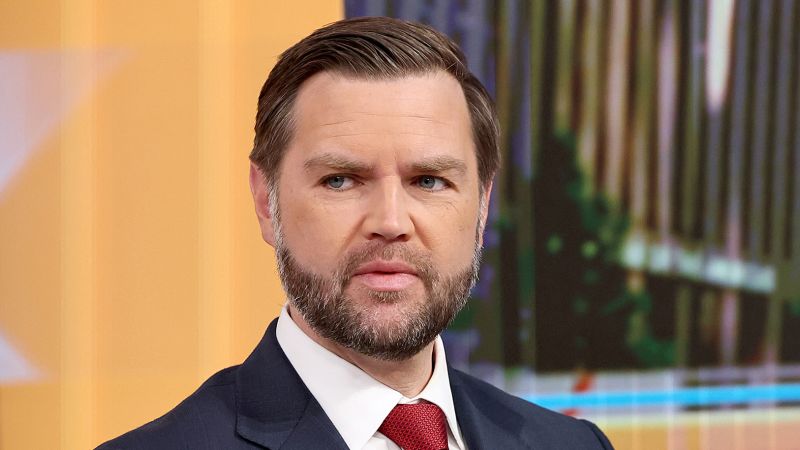
JD Vance Concedes to ‘The View’ That He’s an Epstein ‘Conspiracy Theorist’
JD Vance confesses to The View – This week, Vice President JD Vance has been making frequent appearances across various media outlets, leveraging his platform to promote his upcoming memoir as part of his broader preparation for the 2028 presidential campaign. While his interactions with conservative networks like Fox News have been more predictable, his appearance on ABC’s daytime talk show “The View” stood out as a notable shift. The segment, which took place on Tuesday morning, marked Vance’s first foray into a space traditionally dominated by critics of the Trump administration, making it a politically charged moment.
A Hostile Setting for a Trump Ally
Vance’s visit to “The View” was seen as a strategic move to engage with a diverse audience, but it also presented a challenge. The show, known for its progressive leanings, has often served as a forum for discussing issues like racial justice, media bias, and corporate influence on public discourse. For Vance, who has consistently aligned with Trump’s policies, the appearance was a test of his ability to navigate a more liberal environment without compromising his messaging.
During the interview, co-hosts pressed Vance on several key issues, including the administration’s handling of the Epstein scandal. While he managed to deflect some criticisms, he also revealed his personal stance on the matter. When asked about his views on Epstein, Vance admitted to being labeled a “conspiracy theorist” by White House chief of staff Susie Wiles, as reported in Maggie Haberman and Jonathan Swan’s forthcoming book “Regime Change.”
“I love Susie, but absolutely, she thinks I’m a conspiracy theorist on the Epstein stuff,” Vance said. “Because I think that it’s crazy that you had this guy who is clearly a sex predator who was hanging out with a lot of very wealthy and powerful people. Like, that really bothered me. I don’t know what’s there, of course, nobody knows exactly what happened unless you were there, but that really bothered me, and I wanted to have full transparency.”
Vance’s remarks highlighted his frustration with the Epstein case, which he framed as an example of how powerful individuals might exploit their influence. He emphasized his belief in transparency and called out the perceived complicity of elites, a theme that resonated with his usual political messaging. However, when co-hosts pointed out Trump’s longstanding ties to Epstein, Vance struggled to maintain his narrative. He claimed the friendship began “back in the 1980s,” despite evidence showing their relationship was much closer in the 1990s.
The vice president’s misstatement drew quick correction from the audience, who noted the well-documented connections between Trump and Epstein. Vance then attempted to reframe the story, suggesting that Trump’s call to the Palm Beach Police Department in the mid-2000s was a decisive move that led to Epstein’s downfall. He described the incident as “Trump nared on him to the police and led ultimately to Jeffrey Epstein’s downfall.” Yet, this portrayal overlooked the fact that an investigation was already in progress at the time, complicating the timeline of events.
A Broader Debate on Free Speech and Media Control
The interview also touched on the FCC’s role in shaping public discourse. Co-host Sunny Hostin raised concerns about how Trump’s Federal Communications Commission was pressuring ABC and its parent company, Disney, to limit free speech. “What did Black people do to this administration that has allowed it to really stigmatize folks of color?” Hostin questioned, referencing the removal of museum exhibits and the erosion of Black voter districts.
Vance’s response, though brief, aimed to reassure viewers. He asserted that the administration welcomed “all history in this administration” and celebrated diverse perspectives, despite the ongoing scrutiny. “We’re making progress,” he claimed, addressing the affordability crisis and other economic issues. Yet, his focus on familiar Republican talking points left some audience members questioning his ability to engage with more nuanced discussions.
Despite the tension, the interview maintained a relatively civil tone, a rare occurrence in the current political climate. The dialogue between Vance and the show’s co-hosts, including conservative commentator Jeanine Pirro and progressive anchor Sunny Hostin, showcased the challenges of bridging ideological divides. While the conversation was spirited, it ultimately underscored the VP’s commitment to defending his administration’s legacy, even as he faced direct questions about Epstein and broader social policies.
The Book’s Rise and the Political Gambit
Vance’s promotional efforts for his memoir, “Communion,” reached a critical milestone on Tuesday, the day of its publication. The book swiftly climbed to the top of Amazon’s best-selling new releases list, signaling strong interest from readers. This success, however, came alongside the release of “Regime Change,” which is scheduled to debut next week and currently holds the #2 spot on the list.
The timing of the memoir’s launch coincided with increased scrutiny of Trump’s policies and the ongoing Epstein controversy. Vance’s public appearances, including the “The View” interview, have been part of a calculated strategy to position himself as a key voice in the Republican Party’s future. His remarks on Epstein, while controversial, have been framed as an effort to highlight the administration’s transparency and accountability, even as critics argue they downplay Trump’s role in the scandal.
As the 2028 election cycle gains momentum, Vance’s ability to navigate both conservative and liberal media landscapes will be a crucial test of his political adaptability. The “The View” segment, though brief, offered a glimpse into his approach to addressing complex issues while maintaining his alignment with Trump’s agenda. Whether his portrayal of the Epstein case as a conspiracy theory or a call for transparency resonates with the broader public remains to be seen, but the immediate impact of his memoir’s publication suggests that the strategy is paying off.
In the aftermath of the interview, discussions on social media and news platforms have intensified, with some highlighting Vance’s admission as a turning point in the ongoing debates about Trump’s legacy. Meanwhile, the FCC’s investigation into “The View” continues to cast a shadow over the show, raising questions about the extent of regulatory influence on media content and the future of free expression in American television.