Feds charge 15 people with impeding agents during Minnesota immigration crackdown

Feds charge 15 people with impeding agents during Minnesota immigration crackdown
Federal Charges and the Role of Direct Action Minnesota
Feds charge 15 people with impeding – During a prolonged probe into the Trump administration’s immigration enforcement activities, federal prosecutors have unveiled charges against 15 individuals. These defendants are accused of collaborating to obstruct the execution of the large-scale immigration enforcement campaign in Minnesota earlier this year. The charges stem from alleged actions aimed at hindering the arrest and deportation of immigrants, as part of a coordinated effort perceived as a challenge to federal authority.
According to Minnesota US Attorney Daniel N. Rosen, the investigation centered on members and allies of “Direct Action Minnesota,” a collective of left-leaning protest groups. This coalition was instrumental in conducting surveillance, strategic planning, and swift mobilization against law enforcement during the crackdown. Rosen emphasized that the group’s activities included identifying and monitoring Immigration and Customs Enforcement (ICE) agents, often through covert means.
“Whether or not they actually, at the end of the day, cause bodily harm is not the measure of whether or not they committed a serious federal crime,” Rosen remarked during a press briefing.
Among the defendants, some publicly identified as Antifa, a term encompassing a diverse array of activists with progressive ideologies. While not entirely aligned with the Democratic Party’s platform, these individuals share a common stance against policies they view as oppressive. President Donald Trump, however, has classified Antifa as a domestic terror organization, a designation that has sparked debate about its appropriateness.
Operation Metro Surge and Its Impact
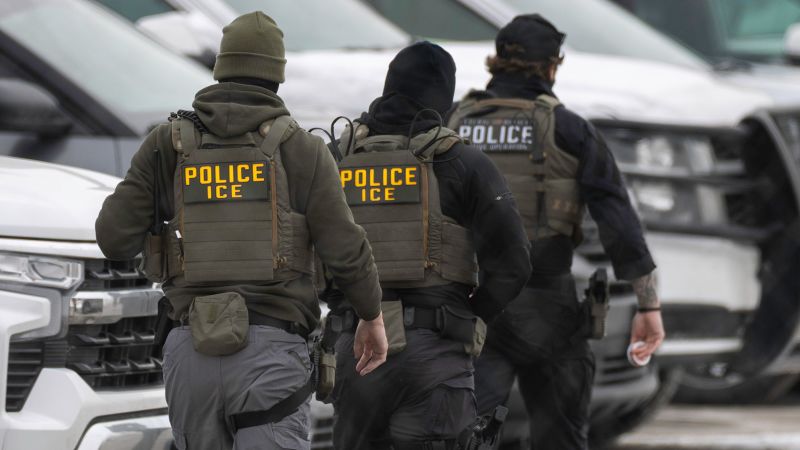
The Trump administration’s Operation Metro Surge significantly escalated immigration enforcement in the Twin Cities, deploying thousands of federal agents across the region. This initiative triggered widespread demonstrations, with citizens and activists opposing the aggressive tactics of the agents. The surge also led to the tragic fatal shootings of two American citizens, raising concerns about the safety of both residents and officers.
During the operation, agents frequently arrived in unmarked SUVs, moving through neighborhoods and sometimes forcing entry into homes. They were seen waiting outside educational institutions and demanding proof of citizenship from individuals. This approach created tension within communities, prompting many to organize in response. A broad network of concerned Minnesotans emerged, primarily through anonymous discussions in local messaging groups.
These volunteers used creative methods, such as honking car horns and blowing whistles, to alert residents about the presence of agents. The coordinated efforts aimed to disrupt the enforcement activities, ensuring that individuals could be identified and targeted. The combination of surveillance and rapid mobilization proved effective in slowing down the administration’s plans.
Antifa’s Designation and Legal Debate
Earlier in September, President Trump issued an executive order designating Antifa as a domestic terror organization. This directive tasked federal agencies with investigating, disrupting, and dismantling its affiliated groups and financial backers. The move has been controversial, with Democrats and various First Amendment advocacy groups questioning the label’s validity.
While the federal government regularly designates international terrorist groups, the process for labeling domestic organizations is less defined. Critics argue that the classification lacks a formal framework, potentially enabling broader surveillance and legal actions against progressive activists. Trump has frequently used the term “domestic terror” to describe opposition groups, even those without clear anarchist ties.
Tom Homan, the former border czar, noted that federal authorities were examining “the organization and funding of the attacks on ICE.” He asserted, “They’ll be held accountable. Justice is coming,” highlighting the administration’s resolve to address perceived threats to immigration enforcement.
The Broader Context of the Crackdown
Operation Metro Surge exemplifies the Trump administration’s broader strategy to intensify immigration enforcement. The initiative’s focus on Minnesota underscored its commitment to targeting immigration violations and deporting individuals deemed a risk to national security. However, the campaign’s methods—such as surprise raids and doorstep confrontations—generated significant public backlash.
The backlash was not limited to protests. Many residents expressed fear of being targeted without warning, while others criticized the agents for using excessive force. The situation led to a surge in grassroots activism, with communities uniting to counteract the enforcement actions. This resistance, however, was not without its own risks, as the accused faced legal repercussions for their involvement.
As the investigation unfolds, the charges against the 15 individuals highlight the tension between federal immigration policies and local efforts to oppose them. The case has drawn attention to the role of domestic groups in shaping the enforcement landscape, while also raising questions about the legal boundaries of such actions.
Public Reaction and the Path Forward
Residents in the Twin Cities have expressed mixed feelings about the operation. While some support the efforts to enforce immigration laws, others argue that the tactics employed by federal agents were overly aggressive and disruptive. The fatal shootings during the crackdown have further intensified the debate, with calls for reform in how immigration enforcement is carried out.
Direct Action Minnesota’s role in the protests has been scrutinized for its effectiveness. Rosen noted that the group’s actions included physical obstruction and surveillance, but he also acknowledged their impact in drawing attention to the enforcement activities. The case against the 15 defendants is expected to set a precedent for future actions against similar groups.
As the legal proceedings continue, the broader implications of the charges remain a topic of discussion. The designation of Antifa as a domestic terror group may influence how future protests are perceived and handled. Meanwhile, the Twin Cities remain a focal point for the ongoing immigration enforcement efforts, with the community continuing to respond to the administration’s actions.