
‘As soon as I see the sun, I’m frightened’: The parents paying the heart-breaking price of soaring temperatures
Parents Pay the Price: ‘As soon as I see the sun, I’m frightened’ Amid Heatwave Drownings
A Deadly Summer Trend Emerges in the UK
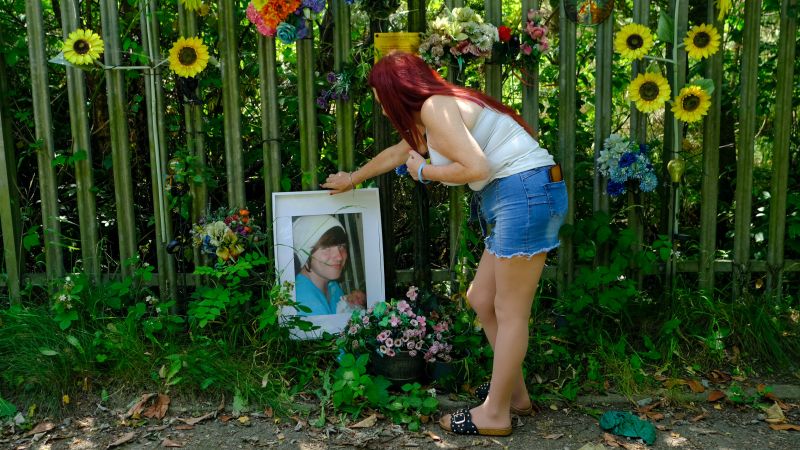
As soon as I see the sun, I’m frightened — a phrase that has become a haunting refrain for parents in northern England, where rising temperatures have triggered a surge in drowning incidents. In June 2026, the region experienced its hottest June on record, leading to a dangerous spike in water-related deaths. Dylan Ramsay, a 13-year-old boy, tragically drowned in a quarry after swimming with friends on a scorching July day. His mother, Beckie Ramsay, stood at the scene, clutching signs that warned of the perils of open water. “The sun is no longer a symbol of life, but a signal for danger,” she said, her voice shaking. Dylan, an experienced swimmer and bright student, had sought refuge from the heat. Yet, within minutes, the water claimed him, highlighting how extreme weather is reshaping family safety routines.
From Grief to Advocacy: A Mother’s Fight
Beckie Ramsay’s son’s death sparked a nationwide campaign for improved water safety, especially in the wake of the 2026 heatwave. The Royal Life Saving Society UK (RLSS) reported a 80% increase in child drownings in London since 2023, underscoring the urgency of the issue. Across Europe, the continent battling its most severe heatwave ever, similar tragedies have unfolded. In France, where temperatures soared to historic levels, over 55 people, many under 18, drowned in open water over ten days. “Even on the hottest days, the water can be cold enough to trigger a deadly reaction,” said Ramsay, who now leads a charity focused on preventing such incidents. Her words echo the fears of parents everywhere, as they grapple with the reality that the sun, once a source of comfort, now brings peril.
The Science Behind a Silent Killer
Cold water shock, a critical factor in Dylan’s death, is a phenomenon that even seasoned swimmers can’t always escape. Professor Mike Tipton of the University of Portsmouth explained that water temperatures below 15°C can cause an involuntary gasp, leading to rapid loss of breath and cardiac arrest. A study in the UK found that drowning risk increases by 7% for every 1°C temperature rise. During the June heatwave, 19 drownings were recorded, with 13 involving children. In France, public health officials noted a 14% rise in drowning incidents compared to the prior year, with teenage deaths more than doubling. These statistics reveal how extreme heat is compounding the dangers of open water, as parents and experts alike call for urgent action.
Changing Mindsets: A Call for Awareness
Beckie Ramsay’s campaign, “Doing it For Dylan,” has focused on integrating water safety education into the national curriculum, set to begin in September 2026. “We must teach children to recognize the risks of hot days,” she emphasized. Her efforts have gained traction, with other grieving parents joining the cause. Simon Haycock, whose son Sam drowned in a reservoir in 2021, co-founded “Sam’s Army’s Mission 1 Life” to place life-saving equipment at high-risk sites and educate schools. “Every time I see a news report about a child drowning, it feels like a reminder of Sam,” Haycock said. “But it also means we’re closer to making a difference.”
Hidden Dangers in Everyday Water Bodies
Open water sites, once considered safe for play, now pose significant risks due to unpredictable conditions. Strong currents, poor visibility, and the deceptive chill of water can all contribute to fatal accidents. “Parents assume the water is just a place to cool off, but it can be a trap,” Ramsay warned. The tragedy of Dylan’s death has galvanized communities, leading to the installation of warning signs and the creation of safety zones in quarries and reservoirs. Yet, as temperatures continue to rise, the challenge remains to adapt safety measures to a new climate reality.
A Global Crisis with Local Faces
As soon as I see the sun, I’m frightened — a sentiment shared by parents across Europe, where the heatwave has intensified the risks of water-related deaths. The RLSS UK’s data reveals that the UK’s record-breaking June temperatures coincided with a sharp increase in drowning incidents. Meanwhile, France’s public health authority confirmed that over 55 people drowned in open water during the heatwave, many in areas where children play without supervision. “The sun is no longer a guarantee of safety,” Ramsay said, reflecting on how climate change is reshaping everyday risks. Her story, intertwined with the broader crisis, serves as a poignant reminder of the human cost of rising temperatures.
