US says Iran was always supposed to fly back to Mexico immediately after World Cup match, despite coach’s complaints

US Says Iran Was Always Scheduled to Return to Mexico After World Cup Match
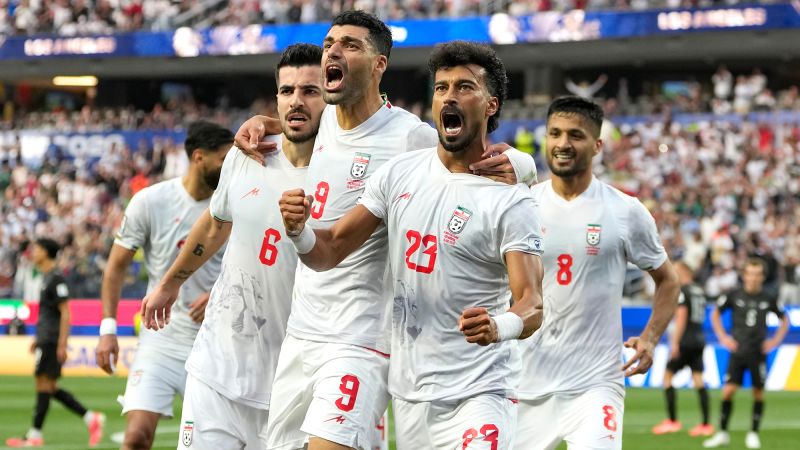
US says Iran was always supposed – The U.S. government has defended its decision to send the Iranian men’s soccer team back to Mexico immediately following their World Cup match, stating that the plan was in place from the start. Despite the team’s complaints about the rushed timeline, officials insist the arrangement was intentional. The squad’s departure from Los Angeles after their 2-2 draw against New Zealand marked the beginning of a logistical challenge that has drawn attention to the political context of their participation in the tournament.
Coach’s Frustrations Over Timeline Adjustments
Iran’s head coach, Amir Ghalenoei, expressed concern over the last-minute change in the team’s itinerary, which required players to fly back to Tijuana, Mexico, the same evening they played their first World Cup match. “They didn’t even give us time to recover,” he told reporters, as reported by the Associated Press. The team had expected to stay overnight in California to acclimate to the environment and prepare for upcoming games, but the new schedule left them with minimal time to rest. Ghalenoei emphasized the impact on both physical and mental readiness, noting that the team’s original plan included a full stay in Los Angeles.
Although the U.S. government maintains the return plan was consistent, the coach argued that the decision was made without sufficient consultation. “We don’t know why they are returning us,” he said, highlighting a perceived lack of control over the team’s movements. The shift to Tijuana, a city near the U.S. border, has been framed as a strategic move to streamline travel logistics, but Ghalenoei sees it as an imposition. “The timing feels forced,” he remarked, underscoring the tension between administrative decisions and the team’s operational needs.
Logistical Decisions and Political Implications
Officials from the U.S. task force overseeing Iran’s participation confirmed the team’s return to Mexico was part of the original plan. Andrew Giuliani, the task force’s director, explained that the schedule was designed to minimize the squad’s exposure in the United States while ensuring their readiness for future matches. A Department of Homeland Security spokesperson later echoed this, stating the decision was “agreed upon by all parties” and aimed at balancing political and sporting objectives.
Despite the government’s reassurances, the move has sparked debate about the extent of political influence on the team’s logistics. The Iranian delegation’s relocation from Tucson, Arizona, to Tijuana was already a contentious decision, and the immediate return after their match has added to the perception that their participation is being managed as part of a broader diplomatic strategy. While the U.S. argues the plan was fair, the team’s players and staff have raised questions about the prioritization of political considerations over athletic preparation.
The World Cup has become a stage where Iran’s presence is intertwined with the ongoing tensions between the two nations. With visa restrictions affecting several team members and FIFA’s decision to revoke their ticket allotment, the Iranian delegation has faced multiple challenges. Yet, the U.S. maintains that the return to Mexico was always intended, and the team’s initial complaints were part of a natural adjustment period. “Our players are professional,” Giuliani stated, “and they are capable of adapting to any schedule.”
As the tournament progresses, the focus on Iran’s logistical adjustments will likely remain a point of discussion. The team’s ability to perform under these constraints will be closely watched, both by fans and analysts. While the U.S. says Iran was always to return to Mexico after the match, the broader implications of this decision—both for the team’s morale and the geopolitical landscape—will continue to shape the narrative around their participation in the World Cup.