
The not-so-silent war being fought in World Cup stadiums: Stadium DJs vs. hydration break boos
The Not-So-Silent Conflict in World Cup Stadiums: DJs vs. Boos During Hydration Breaks
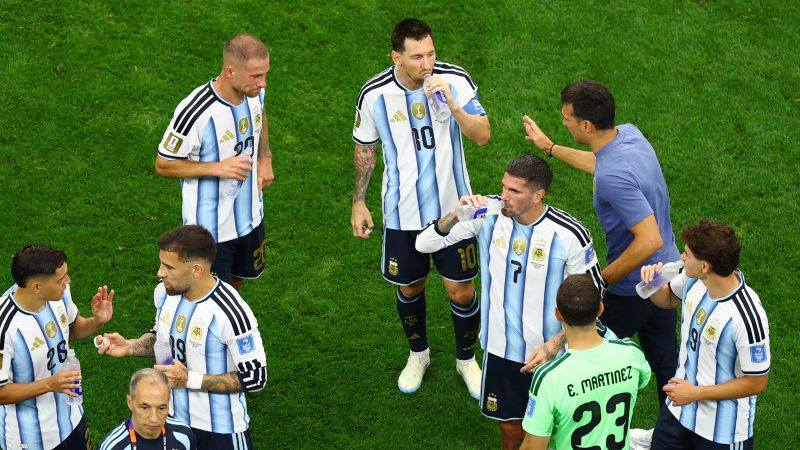
The not so silent war being – At this year’s World Cup, a subtle but fierce struggle has emerged within stadiums, pitting the rhythm of live music against the vocal frustrations of fans. The dispute centers on hydration breaks, which FIFA has inserted into matches as mandatory pauses. These intermissions, designed to allow players to replenish fluids and for advertisers to showcase their brands, have become a flashpoint for discontent. The solution? A creative counterattack by stadium DJs, who have turned the moment into an opportunity to liven up the atmosphere with familiar tunes.
Boos Turn to Chants: A Global Phenomenon
Thursday’s match between South Africa and the Czech Republic saw the second half’s hydration break met with a wave of boos. But within seconds, the crowd’s frustration transformed into collective singing as John Denver’s “Take Me Home, Country Roads” blasted through the stadium speakers. The track, chosen by the DJs, turned the jeers into a 67,000-person singalong, showcasing the power of music to redirect fan energy. A similar strategy unfolded during Sunday’s Spain vs. Saudi Arabia encounter, where the same technique was deployed to quell the noise.
In Dallas, the hydration break during England’s clash with Croatia was accompanied by The Killers’ “Mr. Brightside,” which swiftly silenced the audience. Meanwhile, in Seattle, the USA’s 2-0 victory over Australia featured a brass band that replaced the usual boos with rhythmic grooves. Even in Los Angeles, where the Iranian team faced off against Belgium, the DJs pivoted to a strategic playlist, ensuring the crowd’s mood remained positive. These moments highlight how the traditional practice of using music to unify fans is being weaponized against the growing dissatisfaction with the World Cup’s structure.
American vs. Global Soccer: Rhythms of Resistance
While international soccer fans have long embraced the musical energy of matches, American audiences have grown accustomed to a different style of engagement. Here, the crowd is often guided by cues from stadium screens, which prompt chants like “De-fense!” or demand actions such as “EVERYBODY CLAP YOUR HANDS!” This approach, rooted in the country’s sports culture, has created a contrast with the more spontaneous and vocal traditions seen in other parts of the world.
But the World Cup’s unique atmosphere has encouraged a shift. The pregame excitement in bars, fan festivals, and public transport has set the stage for a more unified experience. Postgame singalongs, such as England’s viral “Wonderwall” and the USA’s reprise of “Country Roads,” have become cultural touchstones. This trend has given stadium DJs the chance to capitalize on the crowd’s energy, using hydration breaks as a pivot to steer the mood. As one fan in Boston noted, the transition from boos to singing was almost instantaneous, highlighting the DJs’ role in this evolving dynamic.
The Iranian soccer team’s recent experience in Los Angeles offers a telling example of this tension. After their game against Belgium, the players left a handwritten note in their locker room, expressing gratitude for the city’s hospitality. This gesture underscored the challenges faced by international teams in the United States, where cultural differences can amplify the impact of such moments. The contrast between the Iran team’s appreciation and the boos directed at hydration breaks reveals the broader divide in how the game is perceived and experienced across borders.
The Science of Disruption: Why Hydration Breaks Spark Boos
Hydration breaks, though practical, have disrupted the flow of the game in a way that fans find irksome. In many host cities, the breaks have become a point of contention, with crowds expressing their frustration through vocal criticism. The timing of these pauses—splitting each half into four 22.5-minute quarters—has been criticized as an Americanization of the sport, altering its traditional rhythm. For visiting fans, this change has been particularly jarring, as it contrasts with the seamless, immersive experience of matches in other countries.
However, the DJs have found a way to mitigate this tension. By introducing well-known songs during the breaks, they’ve transformed potential negativity into a shared activity. The speed at which this works is remarkable: in some cases, the transition from boos to singing takes only a couple of seconds. This rapid shift has become a hallmark of the World Cup’s modern era, where the blend of tradition and innovation shapes the fan experience. As CNN’s Leila Gharagozlou reported, the DJs’ choices reflect a deeper understanding of the game’s cultural significance, turning moments of disruption into opportunities for connection.
From the Field to the Airwaves: A Strategic Shift in Fan Engagement
The hydration breaks have sparked a polarizing debate, with fans either embracing the new format or strongly opposing it. On one side, the “kinda dislike” faction sees the breaks as a minor inconvenience, while the “severely loathe” group views them as a significant departure from the game’s original spirit. This divide is evident in the way fans react to the pauses, particularly when the broadcast crews cut to commercial breaks. The boos that follow have become a ritual, with stadium DJs often anticipating the moment to intervene.
For instance, in the USA’s match against Australia, the brass band’s introduction during the hydration break prevented the crowd from turning its focus to the pitch. This tactical use of music demonstrates how DJs are not just entertainers but also influencers of the game’s atmosphere. The phenomenon is not limited to the World Cup; in the United States, hydration breaks have been a point of discussion since the early days of the tournament. However, this World Cup has amplified their role, as the DJs have been given more creative freedom to shape the experience.
Interestingly, the karaoke-inspired approach to hydration breaks has roots in a Japanese concept, yet its appeal transcends cultural boundaries. The ability to sing along to a shared song, even with strangers, has become a universal experience. This is especially evident in the way fans across the globe have responded to the same tracks, such as “Macarena” during Argentina’s Group J match. The consistency of these reactions suggests that the strategy is not just effective but also deeply resonant with the human desire for collective participation.
As the World Cup progresses, the hydration breaks will likely remain a topic of debate. Yet, the DJs’ efforts to transform these moments into singalongs have proven successful in many cases. This approach not only addresses the immediate frustration but also reinforces the idea that the World Cup is more than a competition—it’s a cultural event where music and sports intertwine. The contrast between the boos and the cheers during these breaks underscores the evolving relationship between fans and the game, as well as the growing influence of stadium DJs in shaping that relationship.
The global impact of this strategy is evident in the way it has spread across different host cities. Whether it’s the brass band in Seattle or the live karaoke in Dallas, the DJs have adapted their playlists to the unique tastes of each crowd. This adaptability has turned the hydration breaks into a microcosm of the World Cup’s broader mission: to bring people together through the universal language of music. As the tournament continues, the battle between boos and singalongs will likely persist, but the DJs’ ingenuity ensures that the atmosphere remains lively and engaging.
In conclusion, the World Cup’s hydration breaks have become more than just logistical pauses—they’re a cultural battleground where the DJs’ choices can sway the crowd’s sentiment. By leveraging familiar tunes, they’ve transformed a potential source of frustration into a shared moment of joy. This subtle yet effective strategy not only highlights the importance of music in soccer culture but also demonstrates the ability of stadium DJs to influence the experience of the game. As fans continue to engage with the World Cup, the interplay between silence and song will remain a defining feature of the event.
