The 14-point US-Iran peace plan, annotated

US-Iran Peace Plan: A 14-Point Outline Unveiled
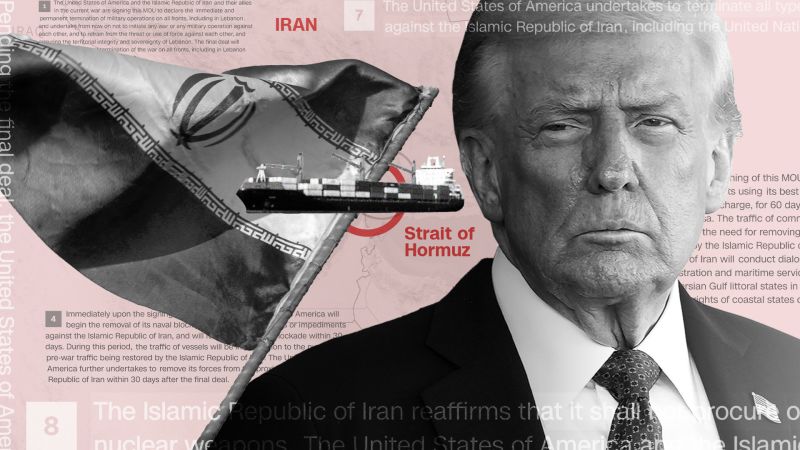
The 14 point US Iran peace – On June 17, 2026, a senior official from the Trump administration revealed a 14-point memorandum of understanding between the United States and Iran. The document, presented as a framework for resolution, seeks to move beyond the current ceasefire and reestablish critical maritime routes through the Strait of Hormuz. This strategic waterway, vital for global oil shipments, has been a flashpoint in the ongoing conflict, and the agreement aims to ensure its safe passage for international vessels. However, the brevity of the outline—under 800 words—leaves room for further negotiation, with key issues like Iran’s nuclear program remaining unresolved.
The Strategic Goal of Hormuz
Central to the plan is the restoration of traffic through the Strait of Hormuz, a narrow passage where over 20% of the world’s oil exports flow. The US and Iran have long clashed over the region’s security, with the US accusing Iran of disrupting shipping lanes and Iran countering that the US has imposed economic sanctions as a form of coercion. By addressing this issue, the MOU signals a shift toward practical cooperation, though it stops short of fully resolving the broader geopolitical tensions. The agreement also includes provisions to monitor and reduce hostilities in the area, but these are framed as temporary measures rather than permanent solutions.
While the plan emphasizes immediate relief, it avoids diving into the complexities of Iran’s nuclear ambitions. The nuclear program, a persistent point of contention between the two nations, is slated for more detailed discussion in subsequent stages. The US has previously linked Iran’s nuclear activities to regional security, while Iran has argued that its program is a legitimate right to peaceful energy. This omission allows both parties to focus on tangible gains while reserving the nuclear issue for later, potentially complicating the path to a lasting peace.
Financial Incentives for Iran
A significant component of the agreement is the promise of economic relief for Iran. By lifting sanctions, the US aims to enable Iran to resume oil exports, a move that could inject billions into its economy. Additionally, the plan includes access to frozen assets held abroad, which Iran has long sought to reclaim. These assets, accumulated over years of international sanctions, are estimated to total over $100 billion, according to recent reports. The MOU also proposes a $300 billion financing package, which would provide Iran with the resources to stabilize its currency and infrastructure.
The financial terms are designed to address Iran’s economic hardship, which has been exacerbated by the sanctions. However, they also reflect the US’s strategic interests in securing Iran’s cooperation on regional stability. Analysts suggest that the funding could be tied to Iran’s commitment to limit its nuclear capabilities or reduce support for proxy groups in the Middle East. This dual approach—economic incentives paired with conditional obligations—mirrors past US strategies in diplomatic negotiations, particularly under the Trump administration.
Trump’s Blueprint for Multipoint Agreements
Senior officials noted that the Trump administration has a history of crafting elaborate multipoint agreements to address complex disputes. The Gaza peace initiative, a 20-point plan, was intended to broker an end to hostilities between Israel and Palestinian factions, though it ultimately stalled due to disagreements over border control and security. Similarly, the administration’s proposed resolution for Russia’s conflict in Ukraine featured 28 points, covering everything from ceasefire terms to economic support for Ukraine. These precedents underscore a pattern of using detailed frameworks to create a sense of progress, even when outcomes are uncertain.
“Multipoint agreements give the illusion of success, but they often mask unresolved issues,” remarked a former State Department analyst. “The key is whether Iran and the US can agree on the most critical elements before moving forward.”
The current US-Iran plan follows this blueprint, with each of the 14 points carefully crafted to balance immediate benefits with long-term commitments. For instance, the agreement includes provisions for Iran to grant the US access to its nuclear facilities for inspections, while the US commits to reducing its military presence in the region. These measures are seen as steps toward mutual trust, though they remain subject to interpretation. The senior official who disclosed the outline emphasized that the plan is “a starting point, not a final deal,” highlighting the need for further dialogue.
Unpacking the Draft Agreement
The 14-point outline was presented in a press call, with the official walking reporters through each clause. Among the key points are guarantees for Iran’s oil exports, a timeline for reducing sanctions, and a framework for resolving disputes over regional allies. The plan also outlines steps for Iran to agree to a nuclear deal, potentially limiting its enrichment capabilities in exchange for financial support. However, the specifics of these commitments remain vague, leaving room for future negotiations.
One of the most contentious points involves the monitoring of Iran’s nuclear program. The agreement proposes a joint commission to oversee compliance, but the exact terms of the inspection process are yet to be determined. This ambiguity raises questions about how effectively the plan will address concerns about Iran’s nuclear ambitions. The official, however, stated that the focus is on “practical steps” rather than theoretical frameworks, ensuring that the agreement remains actionable.
Another highlight of the draft is its emphasis on economic integration. By lifting sanctions, the US aims to open new markets for Iranian goods, including oil, gas, and agricultural products. This could provide a much-needed economic boost, particularly for Iran’s oil-dependent economy. The $300 billion financing package is also tied to Iran’s willingness to engage in broader economic reforms, such as currency stabilization and debt restructuring. These elements are expected to be a major selling point for the plan, though their implementation will depend on political will.
Implications and Challenges Ahead
While the agreement is viewed as a significant step, its success hinges on several factors. First, the timeline for lifting sanctions and accessing frozen assets must be realistic. Second, Iran’s commitment to reducing its regional influence will need to be clearly defined. Finally, the details of the nuclear program’s oversight are critical to ensuring long-term compliance. The senior official acknowledged that these challenges are inherent to any peace deal, but they also represent opportunities for both nations to build a cooperative relationship.
Experts caution that the plan’s simplicity could be both a strength and a weakness. “The 14-point structure makes it easier to digest, but it also risks oversimplifying a deeply complex relationship,” said a Middle East policy expert. “Iran and the US have different priorities, and the agreement must address them without forcing compromises that feel unfair.”
Despite these challenges, the plan is seen as a potential breakthrough in a relationship strained by years of conflict. The restoration of Hormuz traffic alone could reduce tensions in the Persian Gulf, a region where US and Iranian forces have frequently clashed. As the official concluded the press call, they reiterated the administration’s belief in the plan’s viability, stating, “This is a moment for both sides to come together and lay the groundwork for a more stable future.”
With negotiations ongoing and details yet to be finalized, the 14-point agreement remains a symbolic yet substantive effort to bridge the divide between the US and Iran. Whether it will lead to lasting peace or serve as a temporary reprieve will depend on how the parties execute the next steps in their dialogue. For now, the plan stands as a testament to the Trump administration’s preference for structured, comprehensive approaches to diplomacy—despite their often polarizing outcomes.