Teenager dies after being thrown from horse-drawn carriage in NYC’s Central Park

Teenager Dies After Being Thrown From Horse-Drawn Carriage in NYC’s Central Park
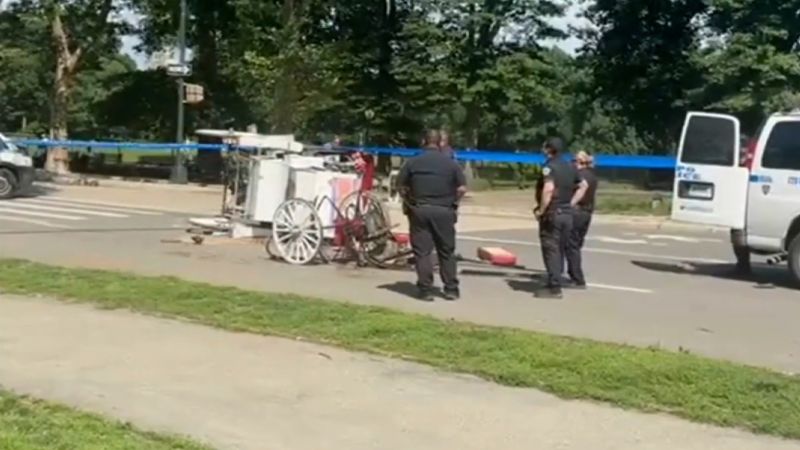
Teenager dies after being thrown – On Wednesday, a tragic incident unfolded in Central Park as an 18-year-old teenager lost his life after being thrown from a horse-drawn carriage. According to police reports, the accident occurred just before 3 p.m., when the animal bolted away from its driver, sending the passenger tumbling to the ground. The teenager was immediately hospitalized in critical condition, though his vital signs failed to stabilize. Other passengers in the carriage, who were not injured, declined further medical attention. This incident has intensified the debate over the safety of horse-drawn carriages in the park, which has long been a popular destination for tourists and locals alike.
The New York Police Department confirmed that the carriage was operating within the park when the accident happened. The driver, who was in the process of capturing photos of his passengers, reportedly dismounted at the moment of the incident. Alexander Kemp, administrative vice president of the Transport Workers Union’s local chapter, stated that the driver had left the carriage to take a picture, a move that is typically discouraged in the industry. “A driver is not supposed to leave the carriage to take photos — ever,” Kemp emphasized. He also noted that the union is calling for a thorough investigation into the accident to determine the cause and prevent future occurrences.
Carriage Industry Faces Growing Scrutiny
The incident highlights the ongoing challenges faced by the horse-drawn carriage industry in Central Park, which has been under pressure from critics for years. Advocates for the ban argue that the traditional mode of transportation is both inhumane to the animals and hazardous for pedestrians. Recent weeks have seen a series of alarming events, including the fatal collapse of a horse last week, which has fueled calls for stricter regulations or even an outright prohibition of the practice.
“The back-to-back events should bring an end to the industry,” stated a spokesperson for the Central Park Conservancy, the nonprofit organization responsible for managing the park. The group, which previously supported banning horse-drawn carriages in 2022, has reiterated its stance in light of the latest tragedy. “This frightening situation is just days after the previous one underscores the dangers posed by horse carriages to Park visitors, carriage drivers, and the horses themselves,” they added. The Conservancy expressed hope that the injuries sustained in this incident would mark the final chapter for the carriage industry.
Video footage captured the moment of chaos, showing the horse sprinting through the park as two individuals appeared to leap from the four-wheeled carriage. A second clip displayed the carriage overturning after colliding with the wheels of another vehicle in the park’s bustling loop route. These visuals have circulated widely on social media, drawing attention to the perceived risks of the industry. While the carriage operators maintain that such accidents are rare, the sequence of events has raised questions about the reliability of safety protocols.
Carriage horses in Central Park typically work for six to eight weeks before being retired, according to the Transport Workers Union. A representative for the union confirmed that the animal involved in the accident had been in service for only six weeks, suggesting it was still in its early phase of training. This detail has been used by critics to argue that the horses may not yet be fully acclimated to the demands of the job, increasing the likelihood of unexpected behavior. However, union members insist that all horses undergo rigorous training and are regularly assessed for fitness and temperament.
The incident has sparked renewed conversations about the balance between preserving historical charm and ensuring modern safety standards. Horse-drawn carriages have been a staple of New York City’s tourism industry for over a century, offering a nostalgic experience to visitors. Yet, as the city’s population grows and foot traffic increases, the risk of accidents has become more pronounced. The Central Park Conservancy has been at the forefront of these efforts, advocating for a ban that would replace carriages with electric or hybrid alternatives.
Despite the push for a ban, the carriage industry remains a significant part of the park’s economy, providing jobs for dozens of drivers and stable hands. Supporters of the industry argue that with proper training and oversight, the rides can be safe for both people and animals. They also point to the popularity of the service, with thousands of tourists opting for these tours annually. However, the recent tragedies have shaken public confidence, leading to calls for immediate action.
As the investigation into the accident continues, officials are expected to review the incident’s circumstances and evaluate the need for additional safety measures. The Transport Workers Union has pledged to work with the city to address concerns, while the Central Park Conservancy remains determined to see its long-standing goal of banning horse carriages realized. For now, the teenager’s death serves as a sobering reminder of the risks inherent in this centuries-old tradition.
In the wake of the incident, local residents and visitors have expressed mixed reactions. Some have condemned the carriage industry for its perceived negligence, while others have defended it as a cherished part of the city’s culture. Social media has become a battleground for these perspectives, with hashtags like #CentralParkCarriageSafety and #BanTheCarriages trending in the days following the event. The conversation is expected to intensify as more details emerge and the city grapples with the decision of whether to take further steps toward banning the practice.
While the incident is a tragic loss of life, it has also provided an opportunity for reflection on the broader implications of the carriage industry’s operations. The fact that the horse was still in its early training phase adds another layer to the discussion, as it suggests that even experienced drivers may face challenges in managing the animals during high-traffic periods. The New York Police Department is now working with the carriage operators to identify any systemic issues that may have contributed to the accident, including whether there were lapses in supervision or adherence to safety procedures.
As the city prepares for potential changes, the incident has also reignited interest in alternative transportation options. The Central Park Conservancy has been promoting electric trolleys and shared mobility services as viable replacements for horse-drawn carriages, citing environmental benefits and improved safety for all users. Meanwhile, the carriage industry is lobbying for updated regulations rather than a complete ban, arguing that with minor modifications and additional training, the tradition can continue without major risks.
The teenager’s death will likely have a lasting impact on the debate, serving as a pivotal moment in the discussion about the future of horse-drawn carriages in Central Park. For now, the city is left to weigh the emotional and practical consequences of its next move, with the safety of its residents and the welfare of the animals at the center of the decision-making process.