Gavin Newsom Fast Facts

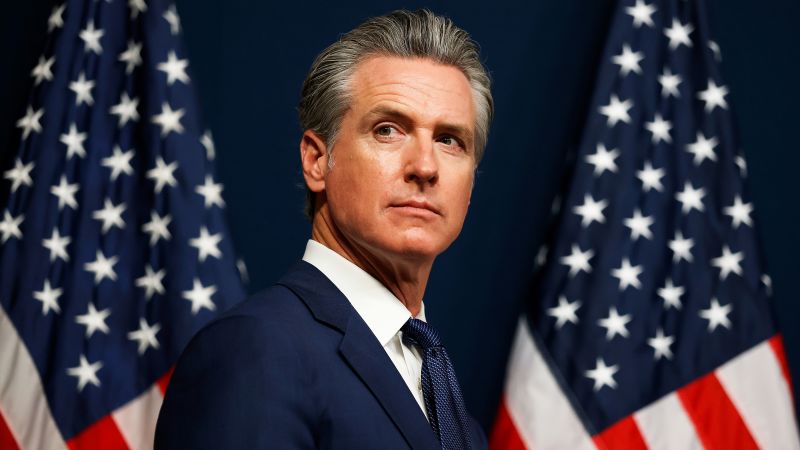
Gavin Newsom Fast Facts: Key Life Events, Career Highlights, and Political Legacy
Gavin Newsom Fast Facts – Gavin Christopher Newsom’s journey from a San Francisco native to California’s 39th governor has been marked by resilience, innovation, and a blend of personal and public milestones. Known for his progressive policies and decisive leadership, Newsom’s career spans business ventures, local politics, and statewide governance. This overview highlights pivotal moments in his life and career, offering a concise look at the man behind the headlines.
Early Life and Formative Years
Gavin Newsom was born on October 10, 1967, in San Francisco, California. His father, William Alfred Newsom III, served as a lawyer and judge on the California State Appeals Court, while his mother, Tessa Thomas Menzies, balanced roles as a waitress, secretary, paralegal, and entrepreneur. This diverse upbringing influenced Newsom’s early understanding of perseverance and adaptability, traits that would later shape his professional trajectory.
Entrepreneurial Foundations
Before entering politics, Newsom carved his path in the hospitality sector. In 1992, he co-founded a wine shop in San Francisco, later expanding it into a network of restaurants and wineries under the Plumpjack Group. His ventures demonstrated a knack for business acumen and community engagement, laying the groundwork for his political ambitions. This experience also honed his leadership skills, which became central to his public service.
Political Ascent in San Francisco
Newsom’s political career began in the early 2000s, rooted in local governance. His early involvement in Willie Brown’s mayoral campaign in 1995 provided insight into urban politics. By 1996, he was appointed to San Francisco’s Parking and Traffic Commission, and in 1998, he secured a seat on the Board of Supervisors. These roles showcased his ability to navigate complex administrative challenges, setting the stage for his later achievements.
Mayoral Leadership and Legal Challenges
Newsom’s tenure as San Francisco mayor from 2004 to 2011 was defined by bold decisions and a progressive vision. In 2003, he won the mayoral election with 53% of the vote, a victory that solidified his status as a rising political star. One of his most notable actions came in 2004 when he authorized same-sex marriage licenses, defying state law and sparking nationwide debate. This decision, while controversial, highlighted his willingness to challenge norms and advocate for social change.
“I take full responsibility for my personal mistakes, and my problems with alcohol are not an excuse for my personal lapses in judgment.” — Gavin Newsom
Scandals and Public Resilience
Newsom’s personal life faced scrutiny in 2007 when he admitted to an extramarital affair with his campaign manager’s wife. This revelation, coupled with his acknowledgment of alcoholism, prompted a public apology. Despite these challenges, he retained significant voter support, winning re-election with 73% of the vote. His ability to recover from personal setbacks reflected both his political savvy and his commitment to transparency.
Transition to Statewide Politics
Newsom’s political influence grew as he transitioned from local to statewide leadership. Though he initially withdrew from the 2009 California governor race, he later secured the lieutenant governor position in 2010, winning 50.2% of the vote. His time in this role, from 2011 to 2019, allowed him to shape key policies and prepare for the governorship. This period also saw him align with progressive agendas, further cementing his reputation as a reformer.
Governorship and Policy Impact
Newsom’s election as governor in 2018 was a major turning point. He defeated Republican John Cox in a decisive landslide, securing 60% of the vote. Since assuming office in January 2019, he has prioritized climate action, healthcare reform, and economic equity. His response to the COVID-19 pandemic, including the March 2020 stay-at-home order, exemplified his leadership during crises. While some critics debated his approach, it underscored his commitment to public health and decisive governance.