Bolivia’s president declares state of emergency over blockade crisis

Bolivia’s President Declares State of Emergency Amid Blockade Crisis
Bolivia s president declares state of emergency – Bolivia’s President Rodrigo Paz has declared a state of emergency this weekend, following months of anti-government demonstrations that have intensified into a severe political turmoil. The unrest, which began in May, was sparked by the government’s decision to eliminate long-standing fuel subsidies, a move that exacerbated the nation’s economic struggles. Now, after nearly two months of protests, the president has invoked emergency powers to address the ongoing disruptions caused by widespread blockades across the country.
Escalating Protests and Economic Strain
The protests, led by workers’ unions and agricultural groups, have drawn support from followers of the former leftist leader Evo Morales. Demonstrators are demanding Paz’s resignation, alongside immediate reforms to tackle the country’s soaring living costs and deepening economic crisis. The blockades, which have paralyzed key transportation routes, have led to shortages of essential goods like food, fuel, and medical supplies. This has not only disrupted daily life but also brought the national economy to a standstill, with businesses struggling to operate and supply chains breaking down.
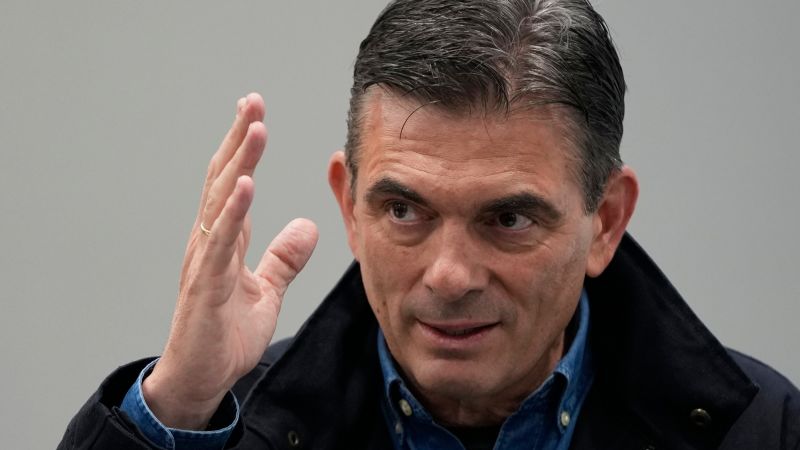
“I have arranged for the implementation of the State of Exception to free the country’s roads,” Paz stated in an address to the public. “Bolivians cannot continue to be hostages of blockades that prevent working, studying, receiving medical attention, supplying themselves, and bringing sustenance to their homes.”
The president emphasized that the emergency declaration is a necessary step to restore stability. He accused organized groups of using violence to halt progress, claiming they have been responsible for the prolonged instability. “Organized groups continue to use violence to paralyze the country,” he added, stressing that the move aims to reestablish normalcy.
Preparation for Military Intervention
Paz revealed that he had already signed a law granting military forces the authority to intervene in internal conflicts. This was a strategic shift, as he had previously stated that declaring a state of emergency would only be considered if diplomatic efforts failed. The law, enacted last month, allows the armed forces to assist in clearing blockades and restoring order, marking a significant escalation in the government’s response to the crisis.
With the state of emergency now in effect, the president has empowered the military and police to take decisive action. This comes amid growing frustration over the economic downturn, which has left Bolivia’s economy in dire straits. The country, once a regional hub for natural gas exports, has seen its energy production drop sharply, while inflation has reached a 40-year high. Foreign currency reserves are at a critical low, making it difficult to import goods and meet basic needs.
Historical Context and Political Shift
Paz’s presidency, which began seven months ago, has been shaped by the economic challenges he inherited. Bolivia’s economy had been in a severe slump since the end of the MAS party’s nearly two-decade rule in 2025. The political transition marked a historic shift, as the nation moved from a leftist governance model to a more centrist approach. While Paz has sought to rebuild relationships with Washington, which had soured since 2009, his efforts to stabilize the economy have faced headwinds.
In September, Paz announced plans for a $1.5 billion economic cooperation agreement with U.S. officials. The deal was intended to secure fuel supplies and stabilize the nation’s financial situation. However, the recent cuts to fuel subsidies, aimed at reducing the budget deficit, have backfired, igniting public anger. The decision to remove subsidies was seen as a direct blow to everyday citizens, particularly those in rural and working-class communities who rely heavily on affordable energy.
Demands Beyond Resignation
While the president’s resignation is a central demand, protesters are also calling for broader reforms. Workers’ unions are pushing for higher wages, while agricultural groups are seeking relief from the scarcity of fuel and dollars. The crisis has exposed deepening tensions between different sectors of society, with many feeling that the government’s policies are disproportionately affecting their livelihoods.
Paz’s government has faced criticism for its handling of the situation. Critics argue that the state of emergency could be used to suppress dissent, while supporters see it as a necessary tool to regain control. The president’s address Saturday outlined his plan to address the blockades, but the effectiveness of this strategy remains uncertain. As the situation unfolds, the country’s stability hinges on whether the measures will ease the protests or deepen the divide.
The ongoing crisis has drawn attention from regional and international observers. Bolivia’s economic struggles, combined with the political upheaval, have raised concerns about the country’s ability to recover. The state of emergency declaration is a pivotal moment, signaling a new phase in the government’s response to the unrest. With the military now involved, the next steps will likely shape the trajectory of Bolivia’s political landscape for months to come.
As the protests continue, the government faces the challenge of balancing immediate needs with long-term reforms. The success of the state of emergency will depend on how quickly it can restore essential services and address the underlying economic grievances. For now, Bolivia remains in a state of uncertainty, with its citizens caught in a cycle of protests, blockades, and economic hardship.
This is a developing story and will be updated as new information emerges.