China is counting its wins from the Iran war

China’s Strategic Gains in the Iran Conflict
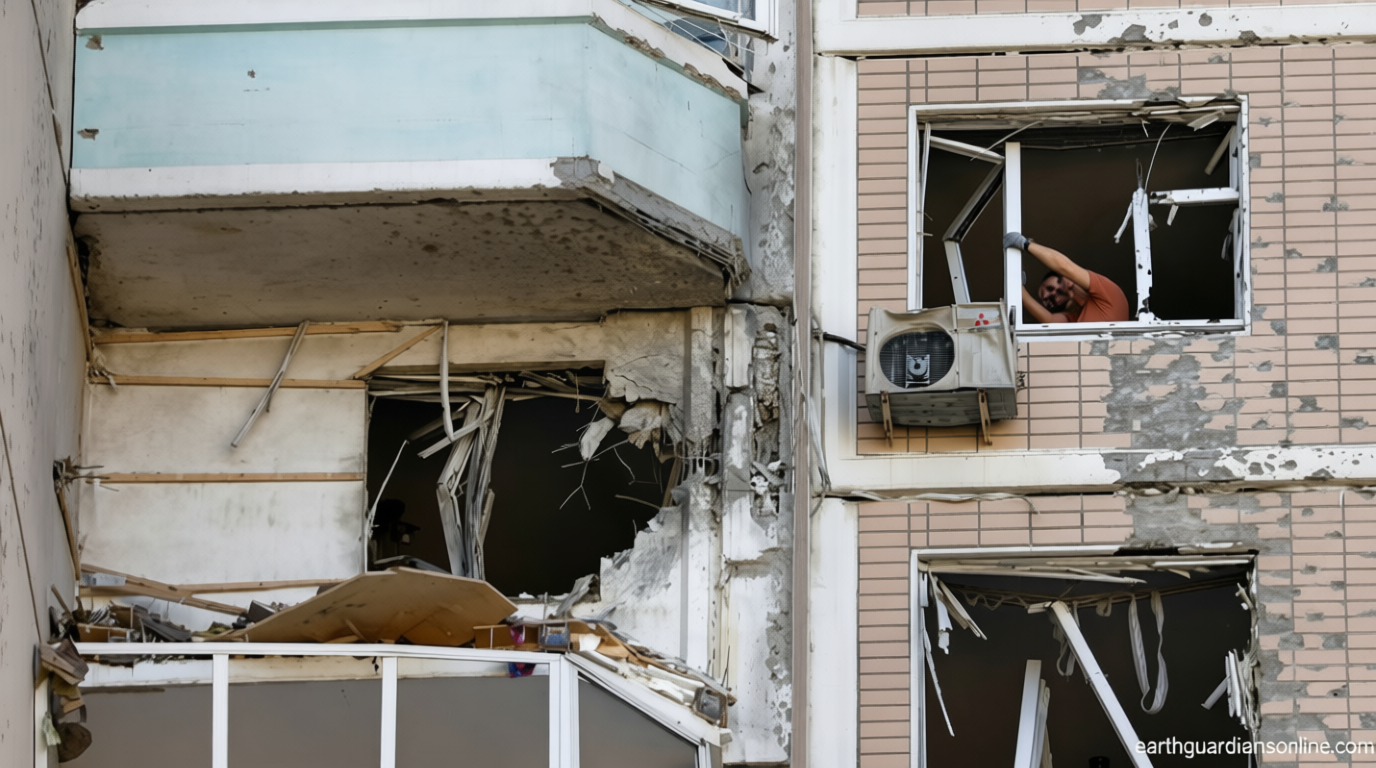
China is counting its wins – As the United States and Israel launched airstrikes against Iran in late February, Beijing faced the looming threat of another allied government being toppled, mirroring the fate of Venezuela just weeks prior. Yet by mid-June, the landscape had shifted dramatically. An interim accord between the US and Iran, forged through months of tense diplomacy, has emerged, though the Iranian regime remains intact. This development underscores the growing perception that American military might has reached its limits, while China’s influence in global affairs has expanded significantly.
Diplomatic Maneuvering and Global Perception
China’s foreign ministry has embraced the recent agreement, with a spokesperson expressing readiness to contribute to restoring stability in the Middle East. However, the extent of Beijing’s involvement remains unclear. Lin Jian, the spokesperson, highlighted the country’s “tireless” efforts to mediate, including Xi Jinping’s April proposal outlining four key points for peace. While he didn’t explicitly credit China’s role in the deal, his remarks emphasized the nation’s commitment to conflict resolution.
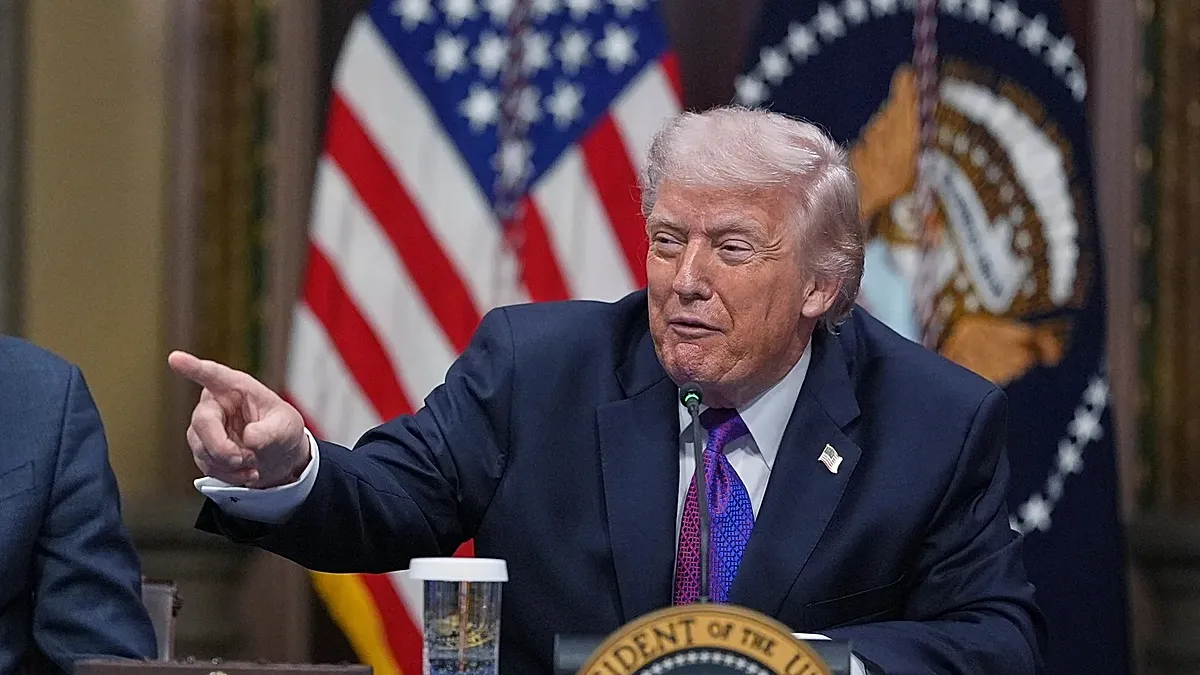
“I want to thank China, President Xi … he stayed neutral, totally neutral, and I appreciate it,” Trump remarked during a G7 press conference in France. He praised China’s restraint in not deploying naval forces to challenge the US blockade on Iranian ports. “They didn’t do that. President Xi helped me. He tried to help, and I think he probably helped get it solved,” the former president added, suggesting China’s diplomatic agility played a pivotal part in averting further escalation.
Throughout the crisis, China navigated a delicate balance between criticism and collaboration. While condemning the US and Israeli strikes, the country continued importing Iranian oil, defying American sanctions. Simultaneously, it maintained open channels with both sides, positioning itself as a neutral yet influential mediator. This approach has drawn praise from global leaders, including Trump, who recently visited Beijing and acknowledged the nation’s strategic role in the conflict.
Economic Resilience Amidst Global Turmoil
The conflict also tested China’s economic stability, yet it emerged relatively unscathed. With its vast strategic oil reserves, Beijing weathered the energy crisis that disrupted markets worldwide. Coupled with its growing investment in green technology and electric vehicles, the nation demonstrated resilience against the economic shocks of the war. Analysts note that this adaptability has bolstered China’s reputation as a reliable economic partner, especially in contrast to oil-dependent economies that struggled with supply chain disruptions.
China’s ability to sustain trade with Iran despite US sanctions has been a strategic triumph. By maintaining oil imports, the country not only secured its energy needs but also reinforced its economic independence from Western powers. This move has been interpreted as a subtle challenge to the US-dominated global order, aligning with China’s long-standing foreign policy of resisting unilateralism and promoting multilateralism.
Peace Talks and Regional Influence
As negotiations progressed, China’s diplomatic engagement deepened. Foreign leaders from Pakistan, a key mediator in the conflict, visited Beijing alongside Trump and Iran’s foreign minister, Abbas Araghchi, underscoring the nation’s centrality in the peace process. While Tehran initially sought China’s endorsement as a guarantor of the agreement, Beijing opted for a more flexible stance, prioritizing its own interests over formal commitments.
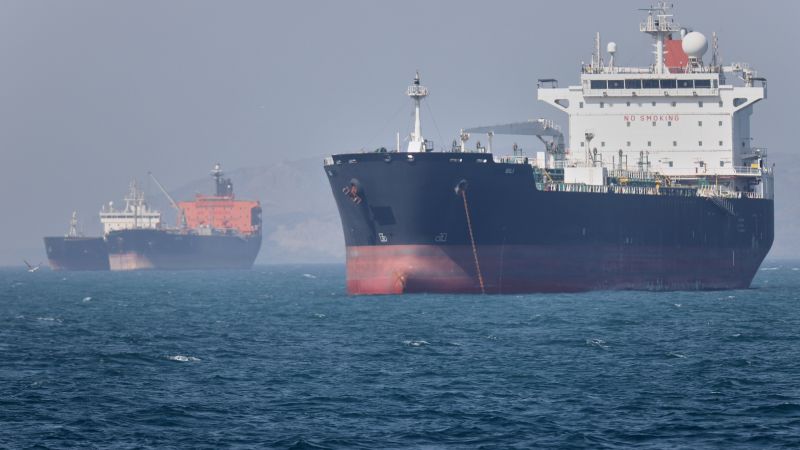
China’s top diplomat, Wang Yi, recently called for smooth operations in the Strait of Hormuz, a critical chokepoint for global oil trade. “The dawn of peace has emerged. The key to the next step is for all parties to truly implement their commitments and eliminate interference from all sides,” Wang stated during a phone call with Araghchi. This statement reflects China’s focus on pragmatic solutions, leveraging its geopolitical position to shape outcomes without overtly taking sides.
Reflecting on US Global Power
Observers now scrutinize the US’s gains from the conflict, which has exacted a heavy toll on the global economy. For China, the situation has been a moment to assert its influence, challenging the notion of American hegemony. Sun Degang, director of Fudan University’s Center for Middle Eastern Studies, speculated in an opinion piece published in China’s state-run Global Times that the conflict might mark a “Suez moment” for the United States—a reference to Britain’s loss of control over the Suez Canal in the 1950s, which symbolized its waning global dominance.
“Is the scene that cast a shadow over the British Empire during the Suez crisis now being replayed for the United States in the Strait of Hormuz?” Sun Degang asked, highlighting the parallels between the two events. He argued that while the US has long held the title of “sole superpower” since the Cold War ended, the recent conflict has exposed the fragility of its global leadership. “US military power did not prove as overwhelmingly powerful as Washington had imagined,” he noted, suggesting a shift in the balance of international power.
China’s role in the peace process has been framed as a demonstration of its ability to act as a global mediator. By hosting a series of high-profile foreign leaders, Beijing amplified its image as a responsible actor on the world stage. This narrative is particularly resonant in a context where the US’s actions in the region have been criticized for their aggressive tone. Analysts believe that China’s neutrality during the conflict has strengthened its position as a key player in Middle Eastern diplomacy, even as it avoids direct confrontation with Western powers.
The Road Ahead
With the memorandum of understanding now signed, the next phase of negotiations will determine the final terms of the deal. While the interim agreement has prevented further escalation, questions remain about its long-term effectiveness. China’s indirect influence—whether through backchannel diplomacy or economic leverage—may prove decisive in shaping the outcome.
For China, the conflict has been an opportunity to showcase its strategic depth. From resisting US sanctions to positioning itself as a peacemaker, the nation has navigated the crisis with a blend of assertiveness and diplomacy. As the world watches the US and Iran move toward a permanent resolution, China’s growing role in global affairs continues to reshape the dynamics of international relations. The event may serve as a turning point, reinforcing China’s vision of a multipolar world where its leadership is increasingly indispensable.