
‘Time is not in Russia’s favor’: Battlefield losses and economic pain pile pressure on Putin, European spy chief says
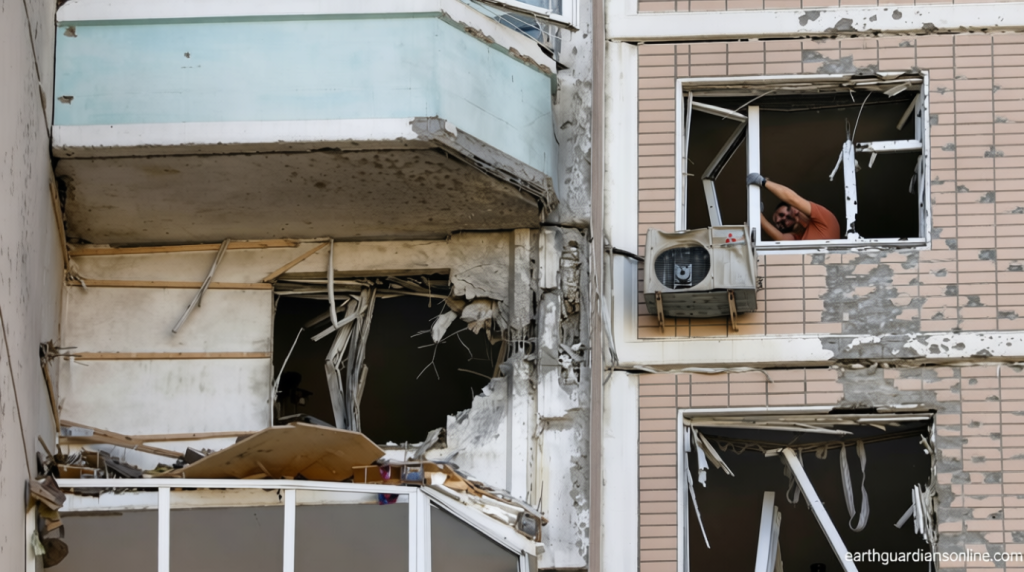
‘Time is not in Russia’s favor’ as Estonia’s spy chief highlights battlefield setbacks and economic strain on Putin
Time is not in Russia s favor – Estonia’s intelligence chief, Kaupo Rosin, has asserted that “Time is not in Russia’s favor,” emphasizing the growing challenges facing President Vladimir Putin as the war in Ukraine enters its third year. With the country now a key NATO intelligence node, Rosin warned that Russia’s military and economic struggles are eroding its capacity to maintain control. The head of the Foreign Intelligence Service noted that prolonged conflict has created a complex environment where Moscow’s initial strength is being tested by persistent losses and dwindling resources, signaling a shift in the balance of power.
War Drags on Ukraine Front
Rosin highlighted the stalemate on the Ukrainian front, where Russian advances have slowed to a near halt. “Time is not in Russia’s favor,” he reiterated, pointing out that the war’s progression has led to diminishing gains and rising casualties. Recent reports indicate that Russia’s daily military losses in Ukraine have reached 1,000 soldiers, with the conflict now stretching over 700 meters in some areas. Analysts attribute this stagnation to both tactical and logistical challenges, as the war continues to drain Moscow’s manpower and morale.
“The Kremlin is beginning to recognize that the situation on the battlefield is not improving,” Rosin stated, underscoring that the war has evolved beyond initial expectations. With each passing month, the pressure on Russia intensifies, and the European intelligence chief suggests that the focus keyword “Time is not in Russia’s favor” has become a central theme in assessments of the war’s trajectory.
Economic Pressures and Recruitment Struggles
Rosin also warned of mounting economic strain on Russia, which is compounding the difficulties of sustaining the war effort. The partial mobilization of reserves in 2022 sparked public backlash, leading to mass defections and forcing the Kremlin to rely on financial incentives to replenish its forces. As the Russian economy contracts under Western sanctions and domestic costs rise, the ability to recruit and retain troops has been challenged, further weakening Moscow’s strategic options. “The economic impact is significant,” Rosin said, adding that the war’s financial toll has reduced the government’s flexibility in decision-making.
The war’s toll on Russia’s oil industry has exacerbated these pressures, with Kyiv’s drone attacks damaging critical infrastructure. “Ukraine has caused billions of dollars in damage to the energy sector,” Rosin explained, noting that the loss of key facilities has weakened Moscow’s logistics and supply chain. These setbacks, combined with the depletion of resources, have created a perfect storm of challenges, with “Time is not in Russia’s favor” becoming a recurring concern among analysts and policymakers.
Technological Evolution and Strategic Shifts
Despite the stalemate on the ground, the conflict has evolved into a high-tech arms race, particularly in drone warfare. Rosin observed that the balance of power has shifted as Ukraine develops advanced interceptors, reducing Russia’s ability to conduct large-scale offensives. “Time is not in Russia’s favor,” he reiterated, citing the increased effectiveness of Ukrainian drone tactics. This technological adaptation has forced Moscow to rethink its strategy, with the war now a test of innovation and endurance rather than sheer force.
Rosin suggested that the war’s future hinges on Russia’s capacity to adapt to these changing conditions. “The current pace of combat shows neither side can achieve a decisive breakthrough,” he noted, highlighting the importance of sustained efforts. As economic pressures mount and military resources dwindle, the Kremlin’s ability to project power beyond Ukraine is increasingly uncertain. “Time is not in Russia’s favor” remains a key takeaway, as the war’s impact on both fronts continues to shape the global geopolitical landscape.
