
Trump administration upends green card process, potentially compelling hundreds of thousands to leave US to apply
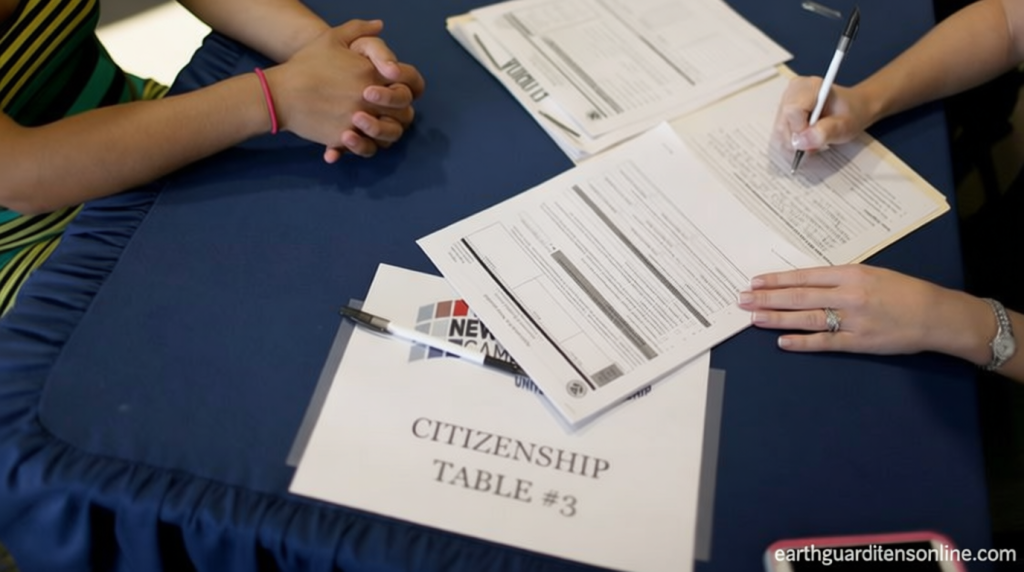
Trump administration upends green card process, potentially compelling hundreds of thousands to leave US to apply
Trump administration upends green card process – In a significant shift to the U.S. immigration framework, the Trump administration has implemented a new policy requiring individuals pursuing green cards to temporarily depart the country during the application phase. This change, effective immediately, could alter the trajectory of millions of legal immigrants, creating obstacles for those seeking permanent residency. The rule mandates that green card applicants submit their applications from their home countries, disrupting the process that previously allowed many to apply while residing in the United States.
Impact on Legal Immigrants and Families
The new directive has the potential to affect a substantial portion of the legal immigration population, particularly those who have already invested time and resources into the green card process. By forcing applicants to leave the U.S., the policy risks separating families, halting career progression, and destabilizing communities. For example, individuals who have been working in their fields for years could be required to return to their countries of origin, potentially losing their jobs or facing challenges in reestablishing themselves abroad.
Applying for a green card has long been known for its complexity and extended timelines. The process can take months, sometimes years, depending on the backlog of applications and the specific circumstances of each case. With this latest rule, the administration has introduced an additional layer of difficulty, raising concerns about the practicality of the system for those who rely on the green card to secure long-term stability in the U.S.
Rationale and Exemptions
According to a statement from Zach Kahler, a spokesperson for U.S. Citizenship and Immigration Services, the rule is designed to reduce the burden on the immigration system by targeting individuals who may otherwise enter the country illegally. Kahler explained that requiring applicants to apply from their home countries minimizes the chances of people staying in the U.S. after their residency requests are denied, effectively “cracking down” on potential undocumented populations.
The policy includes exemptions for “extraordinary circumstances,” such as medical emergencies, family reunification, or job-specific needs. However, these exceptions may not apply to all applicants, leaving many in a precarious position. For instance, a researcher working on a critical project or a family member caring for aging relatives could face added hurdles under the new requirement. While these exceptions aim to provide flexibility, their scope remains unclear, potentially limiting their effectiveness.
Reactions from Critics and Advocates
The announcement has sparked widespread backlash from legal professionals, lawmakers, and advocacy groups. Rep. Delia C. Ramirez, a Democrat from Illinois, condemned the policy on X, calling it “beyond cruel.” She argued that the rule undermines the foundational promise of the American dream, which relies on the ability to build a life through legal immigration.
“Trump just made legal immigration harder — on purpose,” Rep. Greg Stanton, an Arizona Democrat, said on X. “America is able to attract the top researchers, doctors, & engineers because of our worker visa programs.”
Similarly, New York Governor Kathy Hochul criticized the policy as a betrayal of the values that shaped the nation. She highlighted how the rule contradicts the historical narrative of immigration as a pathway to opportunity. “The new policy,” she stated on X, “betrays the very promise that built this country.”
David J. Bier, director of immigration studies at the Cato Institute, described the change as “illogical” in a blog post. He warned that the rule could have far-reaching consequences, including a decline in the number of skilled professionals choosing to immigrate to the U.S. “It will drive talented people to other countries and make America a less competitive place for business,” Bier wrote.
Broader Context of Immigration Restrictions
While the new green card rule is notable, it aligns with the Trump administration’s ongoing efforts to tighten legal immigration pathways. Over the past several years, the administration has prioritized reducing the number of asylum seekers, ending temporary protected status (TPS) for multiple countries, and limiting refugee admissions. For example, in fiscal year 2024, approximately 1.4 million individuals were granted lawful permanent residence, a figure that may now be challenged by the new policy.
One recent action involved the reevaluation of green cards issued to people from 19 countries “of concern” following a shooting incident in Washington, D.C. The attack, which occurred last year, was carried out by an Afghan national who had applied for asylum in 2021 and received it in 2025. This example underscores the administration’s focus on security and its willingness to scrutinize immigration cases, even when they involve different processes like asylum.
Legal challenges are expected to mount against the new rule, as critics argue it could alienate immigrants who contribute to the economy and society. The policy may also create unintended consequences, such as a decrease in the number of highly skilled workers and professionals entering the U.S. to pursue opportunities. For instance, the restriction on work and student visas could deter international students from enrolling in U.S. universities, reducing the pool of future innovators and experts.
Long-Term Implications
As the rule takes effect, its long-term implications for U.S. immigration policy remain a topic of debate. Some experts suggest that the administration is sending a clear message that legal immigration is now a secondary priority compared to curbing undocumented entry. Others argue that the policy could create a backlog of applications, delaying the processing of green cards for those who meet the criteria but are forced to navigate a more cumbersome system.
The new requirement also raises questions about the fairness of the process. Critics point out that many green card applicants are already law-abiding and have made significant contributions to their communities. For example, the individuals who obtained permanent residency in 2024 were likely to have fulfilled their obligations under U.S. law, yet they now face the added challenge of leaving the country to complete their applications.
Despite these concerns, the Trump administration maintains that the policy is a necessary step to address the complexities of immigration. By requiring applicants to apply from their home countries, the administration aims to streamline the process and ensure that only those with strong ties to their home nations are eligible for residency. However, the policy may also create a perception of the U.S. as a less welcoming destination for immigrants, potentially affecting the country’s ability to attract global talent.
As the rule unfolds, its impact on the lives of those affected will become more evident. Whether it serves as a deterrent or a catalyst for further immigration reforms remains to be seen. In the meantime, the debate over the policy continues, with critics emphasizing its potential to disrupt the lives of hundreds of thousands of individuals and reshape the future of legal immigration in the United States.
