
Atlanta, Houston join list of airports that can receive passengers from three countries amid Ebola outbreak
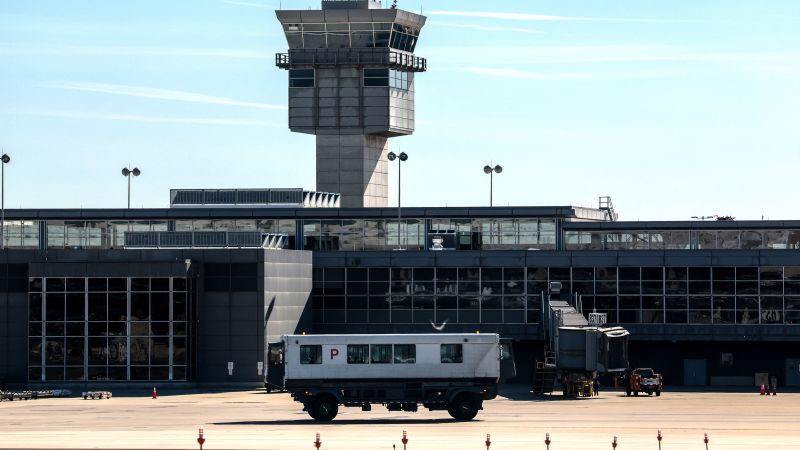
Expanded US Airport Ebola Screening Includes Atlanta and Houston
Atlanta Houston join list of airports – Atlanta and Houston now join the list of U.S. airports authorized to screen passengers from three Ebola-affected countries. The Department of Homeland Security has updated its travel protocols to accommodate additional hubs, allowing arrivals from the Democratic Republic of Congo (DRC), Uganda, and South Sudan to undergo health checks at Atlanta’s Hartsfield-Jackson International Airport and Houston’s George Bush Intercontinental Airport. These changes come as the U.S. prepares for a surge in international travel, while maintaining strict measures to curb the spread of the virus. The implementation timeline varies for each airport, with Atlanta’s screening applying to flights after 11:59 p.m. EDT on Friday and Houston’s starting later in the week.
New Screening Locations and Their Significance
The inclusion of Atlanta and Houston in the screening process reflects a strategic shift to distribute public health efforts across multiple airports. Previously, travelers from the three affected regions were required to pass through Dulles International Airport near Washington, D.C. Now, with the addition of these new locations, the system aims to reduce congestion at a single hub and enhance efficiency. This approach ensures that health assessments can be conducted without causing significant delays for incoming passengers, even as the number of travelers from these countries increases.
Under the revised guidelines, all individuals—including U.S. citizens and permanent residents—traveling from the DRC, South Sudan, or Uganda within the past 21 days will be subject to questioning and health evaluations. The Centers for Disease Control and Prevention (CDC) plays a key role in this initiative, deploying staff at designated airports to monitor symptoms and coordinate with local authorities. This layered strategy helps identify potential cases early, preventing the virus from entering the country through high-traffic international ports.
Public Health Law and Entry Restrictions
As part of its broader response, the CDC has also activated Title 42, a public health law that allows temporary restrictions on entry for individuals exposed to communicable diseases. This measure, effective for at least 30 days, targets non-citizens arriving from the three Ebola-affected nations. The law enables rapid decision-making to limit the risk of outbreaks, ensuring that only those deemed low-risk are permitted to enter the U.S. without additional delays.
Travelers from the DRC, Uganda, or South Sudan will be directed to a centralized area upon arrival at Atlanta or Houston airports. There, they will answer questions about their recent travel and health status. The CDC emphasizes that these checks are part of a comprehensive plan to safeguard public health, combining surveillance, isolation, and monitoring to mitigate the spread of the virus. The process is designed to be both thorough and efficient, aligning with the government’s goal of maintaining travel flow while prioritizing safety.
Impact on Travelers and Airport Operations
While Atlanta and Houston now share the responsibility of screening arrivals, Dulles International Airport remains a central node in the network. Officials note that the expansion should ease the strain on a single location, though Dulles will continue to serve as a key point of coordination. Airport authorities expect minimal disruption to passenger traffic, with streamlined procedures ensuring that travelers from the affected countries can enter the U.S. smoothly. This collaboration extends to airlines and international health organizations, creating a unified system for assessing risks.
A recent case demonstrated how the new system functions in practice. An Air France flight from Paris was diverted to Montreal after a Congolese passenger was denied entry to Detroit. The CBP confirmed the individual had boarded “in error,” and the CDC’s quarantine officers evaluated them before allowing a return to Paris. The rest of the passengers proceeded to Detroit without issues, highlighting the effectiveness of the layered approach. These measures underscore the government’s commitment to balancing public health needs with the demands of global travel.
