
Trump’s ‘Anti-Weaponization Fund’ hit with another legal challenge
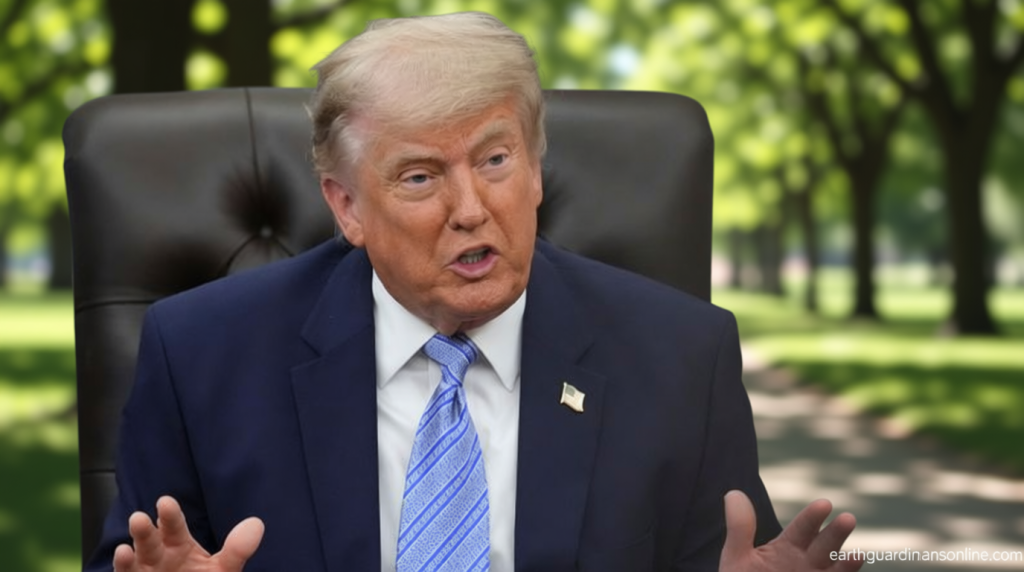
Trump’s ‘Anti-Weaponization Fund’ Faces New Legal Objection
Trump s Anti Weaponization Fund hit – On Friday, a second legal action targeting the Trump administration’s nearly $1.8 billion fund for supporters of former President Donald Trump gained traction, intensifying the scrutiny surrounding the initiative. The lawsuit, filed by a coalition of individuals and groups, seeks to halt the distribution of funds, alleging that the program is unconstitutional and contravenes multiple federal statutes. The case was submitted to a federal court in Alexandria, Virginia, where the plaintiffs argue the fund’s existence and operations are legally flawed.
The plaintiffs include a former federal prosecutor, Andrew Floyd, who had worked on cases against individuals involved in the January 6, 2021, Capitol riot, and John Caravello, a professor from California who was recently found not guilty of assaulting a federal agent during a protest against an immigration raid. Alongside them are the city of New Haven, Connecticut, the National Abortion Federation, and Common Cause, a well-known advocacy group that often questions the legality of Trump’s policies. These entities claim the fund is being used to reward those who opposed the administration, potentially enabling a new form of political retribution.
The latest challenge arises in the wake of a prior lawsuit brought by Washington, DC, law enforcement officers who defended the Capitol during the January 6 riot. Two days earlier, those officers had sought to prevent the fund’s implementation, arguing that it could be leveraged to subsidize individuals who participated in the attack and support paramilitary organizations. They say this would create a system where the government indirectly funds actions that contradict its legal responsibilities. The new case further amplifies concerns that the fund may serve as a tool for partisan influence.
Origins of the Fund and Its Legal Foundation
The fund was established following an unusual settlement between the Trump administration and Trump, his adult son, and the Trump Organization. The agreement, reached in January, resolved a lawsuit over the unauthorized release of Trump’s tax records years earlier. As part of the deal, the administration created a financial mechanism to compensate individuals it deemed unfairly targeted by previous administrations. The program is overseen by a panel of five commissioners, chosen by the attorney general, who will assess claims from those seeking support.
However, critics argue the fund’s reliance on the DOJ’s Judgment Fund—taxpayer money set aside by Congress for government settlements—makes it an unconventional use of public funds. The lawsuit challenges the Trump administration’s decision to draw from this fund, asserting that the underlying legal case was “meritless.” This argument centers on the president’s dual role as both a plaintiff and the head of the Executive Branch, which the plaintiffs claim creates a conflict of interest. They further contend that the fund undermines Congress’s authority over the budget process, a core constitutional function.
Legal and Political Backlash Intensifies
“This latest attempt by the Trump-Vance administration to make grift great again is profoundly unlawful and will not withstand judicial scrutiny,” stated Skye Perryman, president and CEO of Democracy Forward, who co-filed the lawsuit. The group emphasizes that the case is a defense of the rule of law, aiming to prevent the executive branch from abusing its power to fund political agendas. The lawsuit underscores broader fears that the fund could normalize the use of public money to support partisan causes, eroding the separation of powers.
The fund has drawn widespread criticism, not only from Democrats but also from some within Trump’s own party. Senate Republicans expressed surprise at its creation and are divided on how to address it. During a private meeting with acting Attorney General Todd Blanche on Thursday, several senators raised concerns about the potential impact of the fund on the party’s major immigration enforcement bill. The discussion revealed that the issue had become a significant obstacle, with few senators willing to openly defend the initiative.
Lawmakers and legal analysts alike are questioning whether the fund’s existence could set a precedent for future executive actions. The program’s name, “Anti-Weaponization Fund,” suggests a focus on countering the government’s use of law as a weapon against political opponents, but critics argue it instead weaponizes the government to support those who challenge its authority. This dual purpose has sparked debates about its fairness and transparency, with opponents calling it a covert means of rewarding loyalty and punishing dissent.
Broader Implications for Government Accountability
While the fund’s primary goal is to aid individuals who claim they were unjustly targeted by the government, its critics fear it could also be used to support activities that align with the administration’s interests. The legal challenge highlights the administration’s decision to use the Judgment Fund, which is typically reserved for resolving disputes without involving the federal courts. By redirecting these funds, the Trump team has raised questions about whether they are circumventing established procedures to fund political objectives.
Supporters of the fund argue that it serves a necessary purpose by providing financial relief to those who have faced legal challenges under the previous administration. They point to the cases of Floyd and Caravello as examples of individuals who were penalized for their actions, even when those actions were lawful. The fund’s proponents claim it is a way to restore justice and ensure that no one is unfairly disadvantaged by the government’s use of legal tools.
Despite these arguments, the legal and political backlash continues to grow. The ongoing lawsuits reflect a broader trend of questioning the Trump administration’s use of executive power, particularly in areas where it intersects with financial resources. As the case moves forward, it will be crucial to determine whether the fund’s creation and distribution comply with constitutional principles or represent a new form of political patronage.
The situation also highlights the challenges of balancing accountability and loyalty within the government. While the fund aims to support those who have been targeted, it has drawn criticism for potentially creating a system where political alignment dictates access to public funds. This dynamic raises concerns about the independence of the judiciary and the integrity of the legal process, as the fund’s existence could be seen as a threat to impartial governance.
As the legal challenges unfold, the fund’s impact on the political landscape remains a topic of intense discussion. The case in Alexandria, Virginia, could serve as a pivotal moment in deciding the fund’s fate and its implications for future government actions. With the potential for further lawsuits, the Trump administration faces mounting pressure to justify its use of public resources in this contentious context.
