
How Mikel Arteta rebuilt Arsenal into Premier League champions
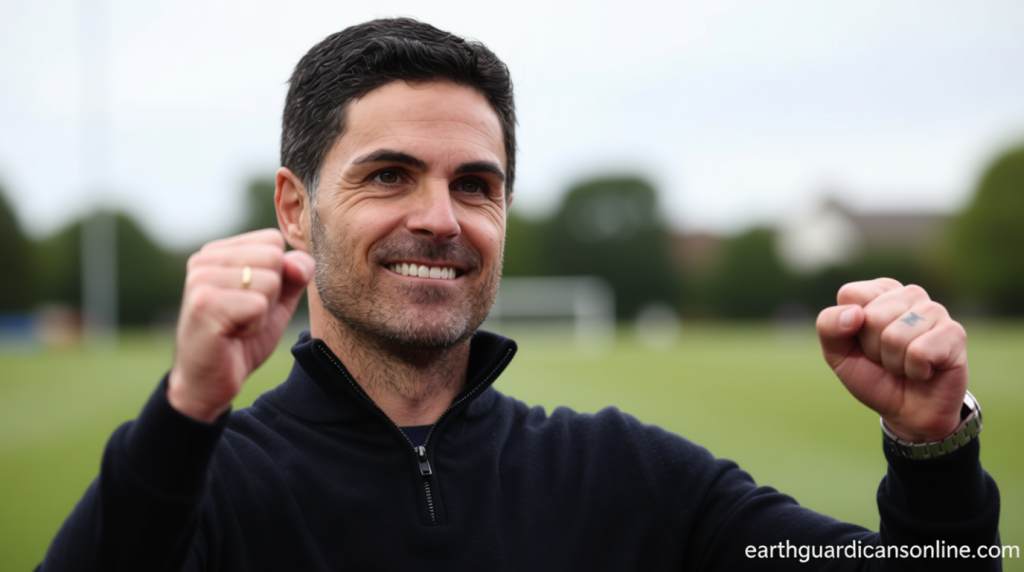
How Mikel Arteta rebuilt Arsenal into Premier League champions
How Mikel Arteta rebuilt Arsenal into – Determining the exact moment Arsenal Football Club hit rock bottom in recent years is challenging, but December 2019 marks a significant low point. Unai Emery, who had just been relieved of his duties as head coach, left behind a team in turmoil following the club’s worst streak of results since 1992. The match against Manchester City, which saw the reigning champions dominate with a commanding 3-0 first-half lead, became a catalyst for widespread disillusionment among Arsenal fans. With the team hovering near the middle of the Premier League table, the atmosphere at Emirates Stadium was heavy with frustration. More troubling than the scoreboard, however, was the palpable disinterest from supporters, who seemed detached from the team’s struggles. This apathy underscored the need for a dramatic shift in direction, one that would require more than just tactical adjustments.
A New Leader, A Fresh Start
Less than a week after that humbling loss, Mikel Arteta stepped into the managerial spotlight at Arsenal, a role he had never held before. At just 38 years old, he became the youngest coach in the Premier League, taking over from a team that had been disgraced by Emery’s tenure. Arteta’s first challenge was not only to restore confidence in the squad but also to reignite the passion that had been lost. From the outset, he made it clear that this was a mission of transformation, not merely survival. “I will burn every drop of blood for this football club to make it better,” he declared, signaling his commitment to a cultural overhaul.
Arteta’s vision was rooted in creating a unified identity and elevating the team’s energy. He emphasized the importance of fan engagement, insisting that the players needed to feel the support of the crowd to succeed. “We need the fans. We need to engage them, we need to be able to transmit with our behaviors, our intentions, what we want to bring to this football club,” he said, highlighting the symbiotic relationship between the club and its supporters. His focus on standards and discipline quickly became the foundation of his philosophy, even as the team faced initial setbacks.
Pivotal Moments and Persistent Challenges
Arteta’s first major triumph came in the form of a long-awaited FA Cup victory against Chelsea, a local rival, in the 2020 FA Cup final. This win, achieved just over six months after his appointment, was a symbolic rebirth for the Gunners. Yet, the euphoria was short-lived. The following campaign saw Arsenal finish eighth in the league, a result that raised eyebrows about the manager’s ability to secure consistent top-tier performance. The team’s struggles were compounded by a fifth-place finish in the 2021-22 season, leaving many to question whether Arteta’s approach was sustainable.
Despite these challenges, Arteta remained steadfast in his methods. He prioritized youth and development, trusting in the potential of emerging talents while making bold decisions to reshape the squad. High-profile departures, including Mesut Özil and Pierre-Emerick Aubameyang, were not just tactical moves but necessary steps to align the team with his vision. The manager’s willingness to act decisively earned him both praise and criticism, but his focus on long-term success over short-term wins was evident.
A Cultural Shift and a New Era
One of Arteta’s most notable contributions was his effort to rekindle the emotional connection between the club and its fans. He introduced a pre-match anthem, “North London Forever,” which became a rallying cry for supporters, filling the Emirates Stadium with renewed vigor. This small but powerful gesture symbolized the broader transformation taking shape. Fans, once passive, began to show up in greater numbers, their chants echoing through the stands as a testament to the team’s revitalization.
By the 2022-23 season, the changes Arteta had implemented started to bear fruit. The squad, now younger and more cohesive, showed signs of resilience. Bukayo Saka emerged as a standout performer, his creativity and pace becoming a cornerstone of Arsenal’s attacking play. Martin Ødegaard, the new captain, brought composure and leadership to the midfield, while defenders Gabriel Magalhães and William Saliba solidified the backline. These players, along with others like Declan Rice and Ben White, formed a nucleus that embodied Arteta’s ideals of unity and grit.
The 2022-23 campaign was a rollercoaster, with Arsenal starting strong but eventually faltering in the final stretch. Still, their second-place finish in the Premier League marked a clear step forward. The team’s progress was further validated by their run to the Champions League final in the 2023-24 season, a feat that had eluded them for six years. Arteta’s ability to balance competitiveness with creativity proved critical in this journey, as he nurtured a team that could compete with the best while maintaining its unique style.
Throughout this transformation, Arteta’s leadership was tested. Early doubts about his tactical approach and personnel choices were gradually replaced by admiration for his consistency and adaptability. His emphasis on work ethic and togetherness created a culture that resonated with both players and fans, fostering a sense of collective purpose. This shift was not just about winning games but about redefining what it meant to be an Arsenal player and supporter.
Legacy and Looking Ahead
Arteta’s tenure at Arsenal has been defined by its gradual yet impactful evolution. While the path to success was not linear, his ability to instill a sense of direction and pride has reestablished the club as a formidable force. The 2022-23 season, though marred by a late collapse, laid the groundwork for future triumphs. As the 2023-24 campaign unfolded, the Gunners’ return to the Champions League final underscored the effectiveness of Arteta’s strategy.
Arteta’s journey from player to manager exemplifies his deep connection to the club. His five years as an Arsenal player, during which he played a pivotal role in the team’s golden era, gave him a unique perspective on the challenges facing the modern squad. This insider knowledge allowed him to navigate the pressures of management with a balance of pragmatism and passion. As the club continues to build on its recent achievements, Arteta’s legacy is already being written—a testament to his role in rebuilding Arsenal into a Premier League powerhouse.
“I will burn every drop of blood for this football club to make it better,” Arteta vowed. The Spaniard made it abundantly clear that the mood surrounding the team needed to change, and the players couldn’t do this without its fans. “We have to create the right vibe, the right energy, and everybody at the organization has to feel so privileged to be here. There’s no other way,” he added.
The combination of Arteta’s leadership, a talented young squad, and a rejuvenated fanbase has set Arsenal on a trajectory for sustained success. While the journey has been marked by obstacles, the club’s recent achievements demonstrate that the transformation was not just possible but inevitable. As Arsenal looks toward the future, the foundations laid by Arteta provide a blueprint for continued growth, ensuring that the Gunners remain a beacon of ambition and excellence in English football.
