LA Mayor Bass declares emergency to secure resources to help fight warehouse fire

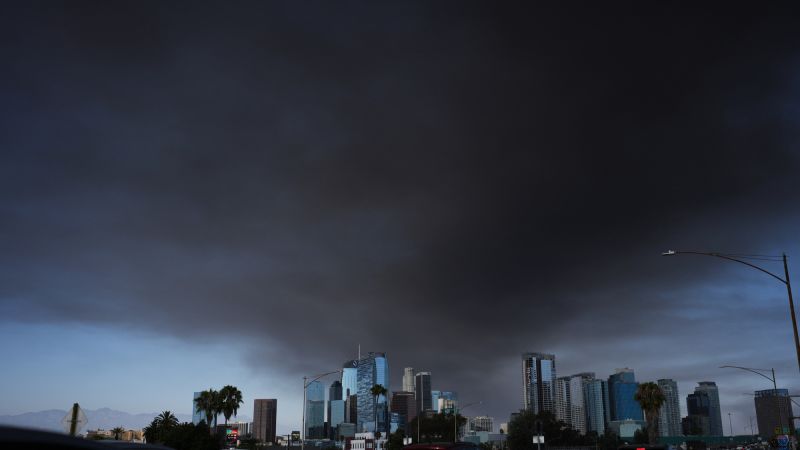
LA Mayor Bass Declares Emergency to Mobilize Resources Against Warehouse Fire
LA Mayor Bass declares emergency to secure – Los Angeles Mayor Karen Bass has activated a state of emergency on Saturday to ensure the city receives the necessary support in combating a massive warehouse fire that has caused significant air pollution in the Boyle Heights neighborhood. The blaze, which erupted at a privately operated cold-storage facility, has created towering smoke plumes that have forced residents to take precautionary measures. Bass’s declaration comes as authorities work to coordinate efforts between local and state agencies to address the crisis and mitigate its long-term effects.
“The city and county have established temporary shelters to assist families affected by the smoke, and we will continue working around the clock to extinguish this fire completely,” said Bass in a press release announcing the emergency. Her focus remains on safeguarding public health and securing the resources needed to manage the situation effectively.
The fire began on Wednesday and quickly escalated, prompting officials to issue shelter-in-place orders to protect residents from hazardous air quality. The Boyle Heights community, known for its vibrant cultural heritage and dense population, has been heavily impacted. Neighbors were advised to close windows, doors, and vents, disable air conditioning systems, and relocate to interior rooms to minimize exposure to harmful particulates. These measures have been in place for several days as the fire continues to burn.
Fire Department Tackles Hazardous Materials and Biohazard Challenges
Los Angeles Fire Department Chief Jaime Moore emphasized during a press briefing that the team has completed the hazardous materials phase of the response but now faces a complex biohazard scenario. The warehouse, which houses 85 million pounds of frozen food, has become a challenging environment for firefighters. “The layout of the building makes it extremely difficult to navigate, as visibility is nearly nonexistent inside,” Moore explained. This lack of clarity has slowed progress, requiring specialized equipment and strategies to address the situation.
“Our firefighters are not able to simply enter and begin removing pallets due to the intense smoke and the structure’s design,” Moore added. The fire has not only created a threat to human health but also posed a risk to the surrounding environment, with concerns over the potential for a major ecological disaster looming. “This is about prevention,” he said, highlighting the urgency of containing the blaze and clearing toxic materials from the area.
Bass’s emergency declaration is a formal request for aid under the California Disaster Assistance Act, which allows for the allocation of state resources to affected communities. The mayor has also urged the state government to accelerate access to emergency funds, relief programs, and logistical support. This action is critical as the city seeks to address both immediate needs and long-term recovery efforts. The declaration underscores the scale of the incident and the need for coordinated action across multiple levels of government.
The cold-storage warehouse, a key part of the city’s supply chain, has been a focal point of the emergency response. Firefighters are currently working to stabilize the structure and prevent further spread of the fire. The challenge of removing frozen food from the building has added another layer of complexity, as the materials are not only extensive but also contribute to the air quality issues. The fire’s impact has extended beyond the immediate vicinity, affecting air travel and nearby businesses due to the thick smoke.
Residents in Boyle Heights have expressed concern over the health risks posed by the fire. Many have reported respiratory issues and heightened anxiety due to the prolonged exposure to smoke. Local community leaders have called for additional support, including medical aid for affected individuals and financial assistance for those who have had to temporarily relocate. The emergency declaration is seen as a vital step in ensuring that these needs are met in a timely manner.
As the fire rages on, city officials are monitoring its progress closely. The Los Angeles County Air Quality Management District has been tracking the air pollution levels, issuing updates to the public and advising on protective measures. With the city’s resources stretched thin, the emergency status provides a framework for mobilizing state-level assistance. Bass’s statement reflects the broader priority of protecting public health, stating that the declaration is not just about extinguishing the fire but also about preventing future harm.
The incident has highlighted the importance of preparedness in urban areas prone to industrial fires. Emergency response teams have been working in shifts, with volunteers and residents assisting in the distribution of supplies and information. Local businesses have also contributed by offering space for displaced individuals and providing essential services. The mayor’s call for expedited resource access underscores the urgency of the situation, as the community continues to grapple with the effects of the fire.
Environmental experts warn that the presence of 85 million pounds of frozen food in the warehouse could lead to the release of harmful chemicals if the fire spreads to the refrigeration systems. These chemicals, including volatile organic compounds and potentially toxic gases, may linger in the air for days, compounding the health risks for residents. The city’s response has included the deployment of air quality monitors and the setup of temporary filtration systems to reduce the concentration of pollutants in affected areas.
Community Impact and Long-Term Recovery Efforts
Boyle Heights, a historically significant neighborhood, has been at the center of this crisis. The fire has disrupted daily life, with schools and public services temporarily adjusting their operations. Local authorities are also coordinating with health departments to assess the long-term effects on air quality and provide guidance for residents. The emergency declaration serves as a mechanism to streamline these efforts and ensure that all necessary resources are available for recovery.
“This is about protecting your public health,” Bass reiterated in her statement. The mayor’s emphasis on prevention highlights the broader implications of the fire, which could serve as a warning for similar incidents in the future. The declaration is expected to facilitate access to federal and state disaster funds, enabling the city to address both the immediate aftermath and the recovery phase.
As the situation evolves, the focus remains on containing the fire and ensuring the safety of the community. Firefighters are using advanced techniques to manage the blaze, including the use of high-pressure water systems and specialized air filtration units. The city has also established a dedicated task force to oversee the recovery process, with representatives from various departments collaborating to provide comprehensive support.
Residents have been encouraged to stay informed through local news outlets and emergency alerts. The city has set up a hotline to assist with questions and provide updates on the fire’s progress. In addition, social media platforms have been used to share real-time information and coordinate relief efforts. This digital mobilization has helped bridge communication gaps and ensure that the community remains connected during the crisis.
With the fire still active and the smoke plumes continuing to spread, the emergency status remains in effect. Bass’s declaration marks a pivotal moment in the city’s response, allowing for the prioritization of resources and the implementation of strategies to safeguard residents. The ongoing efforts of the Los Angeles Fire Department and local authorities reflect the resilience and preparedness of the community in the face of such a large-scale disaster.
The incident has also sparked discussions about the need for improved fire safety protocols in industrial areas. City officials are reviewing the design and layout of the warehouse to identify potential vulnerabilities and prevent future occurrences. The emergency declaration not only addresses the immediate crisis but also serves as a catalyst for long-term planning and policy changes to enhance public safety and environmental protection.