Iran shows Trump just how hard making peace will be

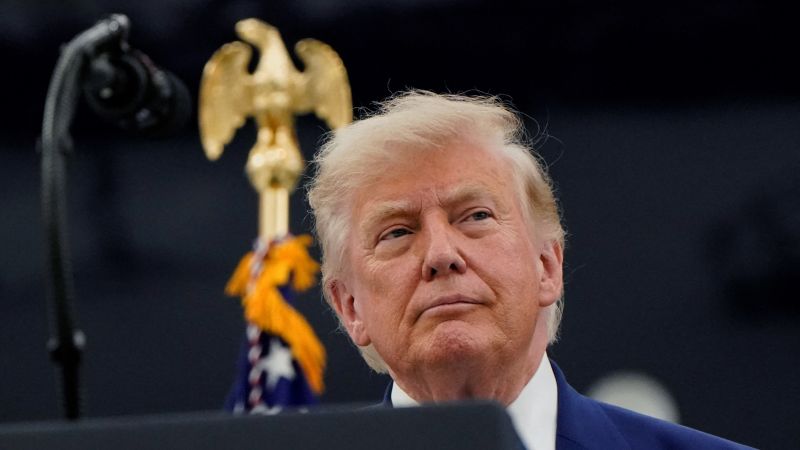
Iran Demonstrates the Complexity of Peace with Trump
Iran shows Trump just how hard – The quest to achieve peace with Iran has proven as demanding as the war itself, according to recent developments. Vice President JD Vance’s initial efforts to facilitate talks in Switzerland have faced significant challenges, signaling that the path to a lasting agreement is far from certain. The MOU signed by Trump in France last week, which aims to halt hostilities, open the Strait of Hormuz, and provide economic incentives to Iran, has already sparked uncertainty. Despite its promise, the document leaves critical aspects—such as the future of Iran’s nuclear program and its stockpiles of enriched uranium—unresolved, requiring 60 days of intense negotiations to finalize.
The agreement’s primary advantage is the cessation of direct US-Iran hostilities, a milestone that has drawn mixed reactions. While some view it as a pragmatic step toward stability, others question its durability. Philip Gordon, a former senior US national security official, noted in a Sunday interview with CNN’s Fareed Zakaria that the truce has a “decent chance” of holding, citing mutual interests. “Iran has an interest in sticking with this, and the United States certainly has an interest in sticking with this, because it doesn’t want to resume the war,” Gordon explained, highlighting the economic benefits for Iran through increased oil revenues.
“Don’t they ever think to themselves that if their threats had actually worked, they wouldn’t have reached this level of desperation today?”
— Mohammad Bagher Ghalibaf, Iran’s chief negotiator, on X.
The co-mediators, Qatar and Pakistan, reported progress during the weekend, stating that talks occurred in a “positive and constructive atmosphere” and that a roadmap was established for a final deal. However, the fragility of the framework is evident as the same strategic pressures that fueled the conflict now test the peace. Iran, leveraging its newfound influence, has declared the Strait of Hormuz closed, challenging the MOU’s provisions. Trump, in response, has issued fresh warnings, threatening to seize control of the strait if Tehran does not reopen it. This move, though costly during the war, has raised doubts about the president’s credibility in the current context.
Washington’s political landscape reveals a rare bipartisan consensus that Trump may have conceded too much to secure the agreement. While relief at the prospect of ending the war is palpable, concerns linger about the deal’s long-term viability. The turbulence of the weekend, marked by tensions between Trump and Iran, has exposed the administration’s struggle to balance immediate gains with lasting stability. The president’s frustration with Iran is evident, as he repeats threats that failed to compel compliance during the war, now used to pressure Tehran into acceptance.
Iran’s strategic posture also reflects its broader ambitions. By asserting control over the Strait of Hormuz, the regime seeks to demonstrate its resilience and reshape the regional power dynamics. This declaration is intended to compel Trump to enforce a ceasefire in Lebanon, following Israeli strikes on Hezbollah, an Iranian-backed militia. The move underscores Tehran’s desire to assert dominance and position itself as a key player in the Gulf’s evolving geopolitics. “The survival of Iran’s regime has created a new strategic dawn,” Ghalibaf implied, suggesting that the country’s endurance during the war has transformed its bargaining position.
The MOU’s economic incentives remain a focal point for both sides. Trump’s administration aims to secure political dividends before the midterms, while Iran seeks to maintain leverage. The deal offers Iran financial relief through oil sales, yet it also binds the country to a commitment not to develop nuclear weapons. Critics argue that this compromise may not satisfy Iran’s long-term goals, particularly as the nuclear program remains a central issue. The Trump administration, meanwhile, faces pressure to ensure the agreement holds, even as it acknowledges the challenges of implementing it.
The ongoing negotiations highlight the intricate balance between diplomacy and force. While the MOU halts immediate fighting, the threat of renewed conflict looms. The document’s success depends on Tehran’s willingness to accept compromises and Trump’s ability to sustain pressure. The weekend’s events, marked by rapid shifts in strategy, reveal the volatile nature of the talks. Qatar and Pakistan, as co-mediators, have played a crucial role, but their influence is limited by the parties’ divergent priorities.
Analysts suggest that Iran’s approach is deliberate, aiming to extract the maximum benefits while delaying commitments. The regime’s emphasis on a “tense” weekend underscores its confidence in the leverage gained during the war. “This is not just about the Strait of Hormuz,” Ghalibaf stated, framing the negotiations as a broader test of Washington’s resolve. His words reflect Iran’s strategic calculation: to use the war’s aftermath as a bargaining chip, ensuring that the peace deal aligns with its interests.
The MOU also reignites debates about Trump’s foreign policy decisions. Critics argue that the war, launched to pressure Iran, has led to a costly and messy outcome. The Pentagon’s resources, the economic toll, and the political fallout are all factors that have shaped the current landscape. Yet, the agreement remains a critical tool to prevent further escalation, offering a chance to stabilize the region and ease global economic strains. Consumers, already struggling with rising costs, may benefit from a lasting ceasefire, though the path to achieving it is fraught with uncertainty.
As the 60-day negotiation window progresses, the stakes remain high. Both sides must navigate complex priorities, with Iran seeking to secure economic and strategic advantages and the US aiming to stabilize its relationship with Tehran. The weekend’s tensions, including Trump’s public threats and Iran’s defiant actions, signal that the peace process is as challenging as the war itself. The outcome will determine not only the future of US-Iran relations but also the stability of the global economy and the security of the Gulf region.