
High school senior gets over 5 years in prison for setting homeless man on fire on NYC subway
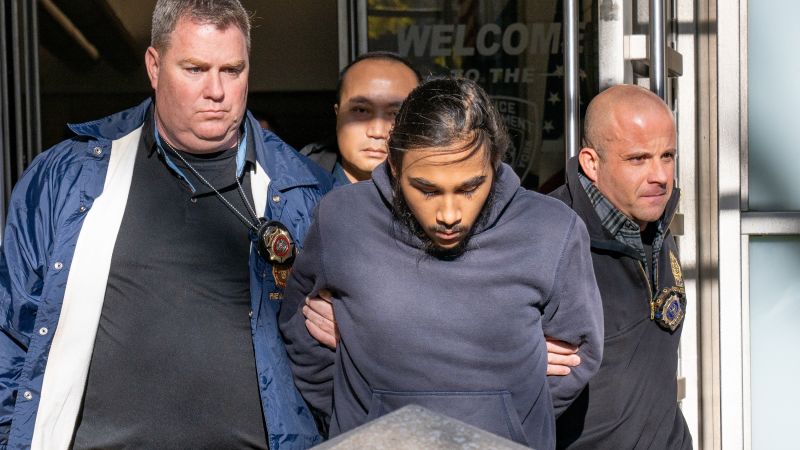
High School Senior Gets Over 5 Years in Prison for Setting Homeless Man on Fire on NYC Subway
Judge Imposes Sentence for Subway Attack
High school senior gets over 5 years – In a recent decision, a Manhattan federal court handed down a sentence of more than five years to Hiram Carrero, a 19-year-old high school senior. The teenager pleaded guilty in March to the charge of arson, which led to the severe injury of a homeless man on a subway train. Judge Lewis J. Liman opted for a sentence exceeding the minimum required for the offense, highlighting the gravity of Carrero’s actions. The incident, which occurred on December 1, 2025, took place during an early morning commute and is part of a growing trend of attacks involving people being set ablaze on public transportation across the United States.
Carrero’s guilty plea revealed that he intentionally ignited a piece of paper to cause harm to the homeless individual. Prosecutors emphasized that the man was asleep at the time of the attack, which left him with permanent scarring and critical injuries. In their presentence report, they argued that Carrero’s actions were “heinous,” stating that the victim was nearly killed before emergency responders intervened. The prosecutors’ request for an eight-year sentence underscored the severity of the crime, noting that the man’s life was saved only because he was quickly transported from Penn Station at 34th Street to Times Square before the fire spread further.
The case gained attention due to the specific circumstances of the attack. Carrero’s intent to kill a sleeping homeless man by burning him alive and leaving him trapped on a moving subway car was described in court documents as a calculated act of violence. Prosecutors pointed out that the victim’s injuries could have been far worse if the fire had continued unchecked. They also criticized Carrero’s explanation that he had been drinking and smoked marijuana on the day of the incident, suggesting that his actions were more deliberate than accidental. The legal team for the prosecution argued that the crime was “separated from murder by mere chance,” as the victim’s survival hinged on the quick response of emergency personnel.
Carrero’s defense, however, painted a different picture. His lawyer, Jennifer Brown, presented a narrative of a troubled youth who faced challenges from a young age. Carrero was born prematurely with drugs in his system, and his biological parents abandoned him at the hospital after his birth. This early adversity, combined with intellectual challenges, contributed to his struggles as he grew older. The pandemic in 2020 exacerbated his difficulties, disrupting his ability to attend school and deepening his sense of isolation. Brown highlighted that Carrero’s actions were not born from malice but from a combination of personal hardships and emotional distress.
During the sentencing hearing, Carrero expressed deep remorse for his actions, a sentiment his defense attorney described as “profound.” In court papers, Brown wrote, “Words are inadequate to express the profound shame and remorse that Hiram feels.” She argued that Carrero’s mental state and background should be considered when determining his culpability. The defense team also noted that Carrero had taken steps to reflect on his behavior and had shown willingness to accept responsibility for his actions. Despite these efforts, the judge remained firm in his decision, emphasizing the need for accountability in such a violent act.
The incident on the NYC subway is part of a larger pattern of similar attacks. Over the past few years, there have been multiple cases of individuals being set on fire while using public transit, raising concerns about the rise in such acts of violence. Carrero’s case, however, stands out due to the specific method of his attack and the victim’s critical condition. The fire, which burned for a “mercifully short trip” along the subway route, left the man with extensive disfigurement and a lifelong impact. Prosecutors argued that the brutality of the act and the lack of immediate intervention would have resulted in a fatality had it not been for the timely arrival of emergency responders.
Carrero’s sentence has sparked discussions about the balance between justice and rehabilitation. While the prosecution focused on the severity of the crime and the permanent harm caused to the victim, the defense highlighted the teenager’s potential for growth and the need for a second chance. The case also brought attention to the broader issue of homelessness in New York City and the increasing vulnerability of individuals in public spaces. Carrero’s actions, though intentional, were seen as a reflection of the broader societal challenges faced by the homeless population.
Legal experts have noted that such cases often highlight the intersection of personal responsibility and systemic factors. Carrero’s troubled past, including his premature birth and the pandemic’s impact on his education, provides context for his actions but does not absolve him of guilt. The prosecution, however, maintained that the intent to cause harm and the lack of immediate help for the victim were key elements of the case. They argued that Carrero’s decision to set the man on fire was a clear demonstration of premeditated violence.
As Carrero begins his prison term, the case serves as a reminder of the consequences of acts of violence, even when committed by young individuals. The sentencing underscores the importance of holding perpetrators accountable, regardless of their background. At the same time, it raises questions about the role of societal and personal challenges in shaping criminal behavior. The victim’s recovery, though uncertain, will likely be a long and difficult process, with the physical and emotional scars of the attack serving as a lasting testament to the incident’s impact.
“Words are inadequate to express the profound shame and remorse that Hiram feels.” – Jennifer Brown, defense attorney
