
Traveling to a heat wave zone: Here’s what tourists need to know
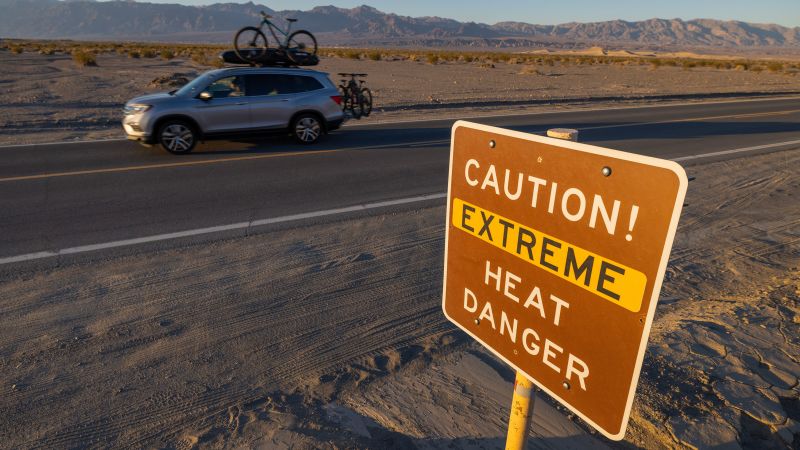
Global Heatwave Escalates: Impact on Popular Travel Destinations
Traveling to a heat wave zone – Extreme heat is reshaping travel experiences worldwide, with scorching temperatures pushing many iconic tourist spots into crisis. As heatwaves intensify, travelers are being urged to reconsider their itineraries, adjust expectations, and prepare for unexpected changes. From the American Southwest to European capitals, the sweltering conditions are not only breaking records but also threatening health and safety. Here’s a breakdown of what visitors should know to navigate these challenging times.
Record-Breaking Heat and Safety Concerns
Recent weeks have seen temperatures soar to unprecedented levels, straining infrastructure and endangering lives. In the United States, Grand Canyon National Park is facing severe conditions, with the National Weather Service predicting that Phantom Ranch’s lower elevations will reach or surpass 110 degrees Fahrenheit (43°C) this week. This surge has prompted the National Park Service to issue warnings, advising hikers to avoid midday excursions after a spike in heat-related emergencies, including the tragic deaths of two individuals on the North Kaibab Trail.
Across the Atlantic, Europe is experiencing its own wave of heat extremes. France recorded its hottest overnight temperature since 1947, with provisional data showing a staggering 37.8°C (100°F). Meanwhile, Spain’s Andújar municipality hit a record 113°F (45°C) as per the AEMET weather service, while the UK faces the possibility of historic highs, leading to school closures and a rare heat-health alert from the Met Office. Officials emphasize that humidity compounds the danger, increasing the risk of heat stress for all ages.
Adapting Travel Plans Amid Escalating Risks
With heat alerts active in 23 European nations, including Germany, France, Spain, Switzerland, and Luxembourg, the need for flexibility has never been greater. Travelers planning visits to these regions may find their original schedules unworkable. High temperatures can slow down sightseeing, force cancellations, or necessitate revised routes. This is particularly critical for vulnerable groups such as elderly individuals, young children, and those with chronic illnesses, who are more susceptible to heat-related illnesses.
Local governments are issuing urgent guidance to mitigate risks. For instance, Italian authorities recommend that residents spend at least three hours daily in air-conditioned spaces, such as museums or cafés, to combat the relentless heat. Meanwhile, the CDC advises increasing water intake beyond usual habits and avoiding waiting until thirst sets in. These measures are vital for maintaining hydration, especially during prolonged exposure to high temperatures.
Survival Strategies for Travelers in the Heat
Experts suggest that the early morning is the optimal time for outdoor activities, as temperatures begin to rise sharply around 11 a.m. While midday is often considered the peak, the heat can intensify through the late afternoon, making this period more uncomfortable than the morning. To counteract rising temperatures, travelers should prioritize cooling down through frequent use of cool water—washing hands, wrists, and even faces can provide relief.
Wearing loose, breathable clothing made from light materials is another key defense. Sunscreen should be applied regularly, and fans, even handheld ones, can significantly improve comfort. In cities with public fountains, these natural cooling stations make it easier to stay refreshed. For those planning to visit high-risk areas, such as regions prone to floods, wildfires, or typhoons, the possibility of closures or evacuations remains a concern.
Adjusting meal choices can also help. Water-rich foods like raw vegetables, salads, and fruits such as watermelon or grapes are recommended to maintain hydration. For individuals with asthma or other chronic conditions, the heat exacerbates respiratory strain, making it essential to plan accordingly. Health advisories highlight that these conditions are not isolated incidents but part of a broader trend of escalating climate-related challenges.
What to Expect and How to Prepare
As the heatwave persists, its effects are expected to grow, with more record-breaking days likely in the coming weeks. This situation is compounded by the fact that global temperatures have been consistently rising, creating a perfect storm of environmental stressors. Travelers should monitor local updates closely and be ready to pivot their plans if necessary.
Refunds may be available in some cases, but they depend on the specific policies of accommodations and tour operators. Proactive communication with providers before the heatwave strikes could be crucial. Additionally, while most trips remain viable with careful preparation, certain circumstances—such as prolonged exposure or sudden weather shifts—might warrant canceling or rescheduling. The key is to balance enjoyment with safety, ensuring that the pursuit of adventure doesn’t come at the cost of well-being.
Quotes from Authorities on Heatwave Severity
“Humidity is also a factor, making this heatwave even more impactful with heat stress a danger to all,” said the UK Met Office in a statement released on Monday.
These warnings underscore the urgency of taking precautions. Whether it’s seeking shade, staying hydrated, or using cooling tools, every action matters. For regions already struggling with high temperatures, the advice is clear: adapt your plans, prioritize rest, and listen to local experts. As the climate continues to shift, heatwaves may become more frequent, requiring travelers to build resilience into their routines.
With the global temperature records being shattered at an alarming rate, the heatwave is not just a temporary inconvenience—it’s a signal of a changing world. The combination of rising temperatures and humidity levels is creating conditions that challenge both infrastructure and human endurance. From the Grand Canyon to the streets of Paris, the message is consistent: prepare for the heat, stay informed, and remain flexible. The goal is to ensure that travel remains enjoyable, even as the planet becomes hotter and more unpredictable.
As the sun sets on one day and rises on the next, the heatwave persists, demanding that travelers rethink their approach. By following the recommended strategies, from early excursions to cooling refuges, visitors can minimize risks and maximize their experience. The key takeaway is that while the world’s popular destinations are still worth exploring, the path to enjoyment now requires a bit more planning and a greater awareness of the heat’s effects. With the right preparation, however, the summer months can still offer unforgettable memories—even in the face of an unprecedented heat crisis.
