
NASA makes moves to dodge costly delays on its path to build a $30 billion moon base
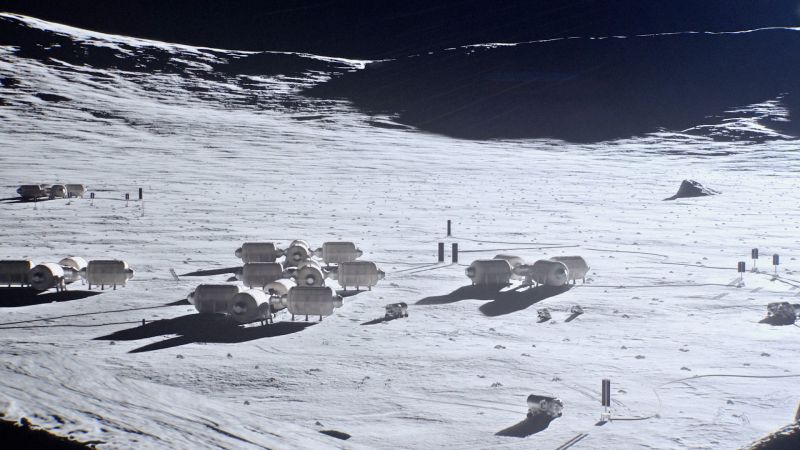
NASA Dodges Delays in $30 Billion Lunar Base Build
NASA makes moves to dodge costly – NASA is taking proactive steps to avoid costly delays in its $30 billion lunar base project, as the agency seeks to maintain pace with global space ambitions. With a renewed emphasis on efficiency, NASA has unveiled key partnerships and technological strategies to accelerate progress on the Moon. These initiatives are critical in ensuring the timely deployment of infrastructure, which is vital for future human exploration and scientific research. The move signals a shift toward relying on robotic systems to mitigate risks and streamline operations, especially as competition from other nations intensifies.
Robotic Missions and Strategic Contracts
As part of its effort to dodge delays, NASA has finalized contracts with three private aerospace firms—Astrobotic, Firefly Aerospace, and Intuitive Machines—to conduct four critical robotic missions on the Moon. The total funding for these projects is around $590 million, with Astrobotic securing two missions due to its proven capabilities. This collaboration marks a significant milestone in NASA’s strategy to reduce dependence on traditional spacecraft and prioritize automation in lunar operations. By leveraging these partnerships, the agency aims to create a robust framework for long-term settlement.
A key innovation under consideration is the repurposing of a Mars rover, “Promise,” for lunar tasks. Though still in the planning phase, this idea could save costs and provide valuable data for future missions. NASA’s phased approach to the lunar base includes a focus on robotic exploration, with the first phase targeting completion by 2028. This timeline is essential for establishing a sustainable presence, and the agency is actively refining its methods to stay on course despite technical challenges.
Phase 1 and Infrastructure Development
Carlos García-Galán, NASA’s program executive, has emphasized that the latest contracts are a cornerstone of Phase 1, which lays the foundation for the lunar base. This stage involves deploying landers, rovers, and drones to map potential settlement sites and test equipment. In May, NASA expanded its efforts by awarding over $1 billion in contracts for lunar buggies and scouting drones, which will play a pivotal role in identifying safe, resource-rich locations for human activity. The agency’s commitment to innovation remains central to its mission of dodging delays.
While the lunar base initiative is progressing, NASA is mindful of risks posed by setbacks in its partnerships. For instance, Blue Origin’s delayed test of the Blue Moon lander at the lunar south pole has raised concerns about meeting deadlines. However, the agency is exploring alternative vehicles to ensure the project remains on track. García-Galán highlighted that these adjustments are part of a broader plan to maintain momentum and meet the 2028 target, demonstrating NASA’s adaptability in its pursuit of space exploration.
Private Sector Involvement and Technological Challenges
Private sector collaboration is a linchpin in NASA’s strategy to dodge delays, with companies like SpaceX and Firefly Aerospace contributing to critical components. SpaceX’s Starship rocket, designed for astronaut transport, is nearing readiness despite ongoing testing. Meanwhile, Firefly Aerospace achieved a major milestone in 2025 by successfully landing its Blue Ghost spacecraft near the Moon’s equator. Intuitive Machines, though experiencing two failed lander attempts, continues to refine its technology to support NASA’s lunar goals. These partnerships are not only cost-effective but also essential for diversifying capabilities.
As NASA moves forward, the focus remains on balancing speed with reliability. The agency’s approach to robotic missions and infrastructure development is a testament to its commitment to reducing delays and maximizing efficiency. By integrating private-sector advancements and refining its phased plan, NASA is positioning itself to achieve its lunar ambitions without compromising on quality or sustainability. The first human settlements could materialize by 2028, offering a glimpse into a future where the Moon becomes a strategic hub for space exploration.
