
Venezuelans deported by the US hours before the deadly earthquake struck are missing
Venezuelans Deported by the US Hours Before Earthquake Tragedy Missing
Venezuelans deported by the US hours – On June 30, 2026, a catastrophic earthquake in Venezuela claimed over 1,900 lives, with 146 of the victims being Venezuelans deported by the US just hours before the disaster struck. The group, sent back to their homeland on a flight from Miami, had arrived at Simón Bolívar International Airport in La Guaira the previous day. Now, their families are searching the wreckage for answers, as the event has raised questions about the timing of their removal and its impact on the vulnerable.
The Deportation and Earthquake Timeline
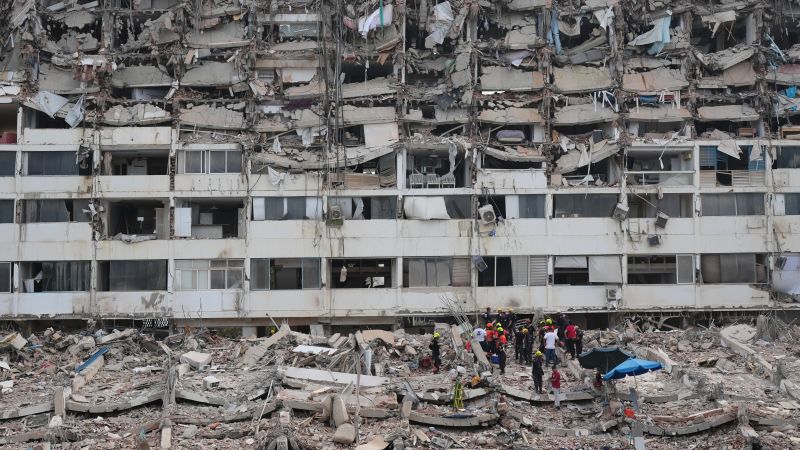
The deportees were transferred to Hotel Santuario in La Guaira after landing at 10:22 a.m. local time. According to ICE Flight Monitor, the plane had safely delivered them to Venezuela. However, within hours, a series of powerful tremors shook the area, collapsing the hotel and trapping dozens inside. Among the missing are Venezuelans deported by the US, whose final moments were spent in the country they had left behind.
“They are not giving us answers about where she is. If she is there at a hospital or at the morgue. We have already checked all of that and we haven’t found her,” said Luis Armando Dasilva, a relative of one of the missing, Amanda Donizete.
Donizete had fled Venezuela’s humanitarian crisis and worked in Georgia for three years. She had expressed joy at being deported, hoping to reunite with her family. Yet, the earthquake cut short her plans, leaving her fate uncertain. Families of other deportees, too, are now facing the same anguish, as rescuers work to recover the bodies buried under the rubble.
Call for Urgent Action and Government Accountability
Relatives have urged local officials to expedite the recovery process, emphasizing the need to retrieve the bodies of their loved ones for proper burial. José Gregorio Rincón Ávila, a grandfather of one of the deportees, pleaded with authorities to allow families to lay their missing relatives to rest. “We have been waiting many days. We already know those bodies have been there for several days since Wednesday, but at least let us take our loved ones home,” Rincón Ávila said, reflecting the shared desperation of the families.
“We want our family members—whatever condition they are in—to be buried,” said Dasilva, who had spent months in the US before being sent back.
Meanwhile, the US government has maintained that it is not responsible for the deportees once they arrive in Venezuela. A spokesperson for the Department of Homeland Security noted that the deportation flight had successfully reached the country, and all individuals were now under Venezuelan custody. Nonetheless, the incident has sparked renewed debate over the timing of deportations during periods of heightened crisis.
Deportation Trends and Humanitarian Concerns
In the months leading up to the earthquake, the US had been deporting hundreds of Venezuelans weekly. ICE Flight Monitor reported 1,746 individuals deported in May 2026 alone. The deportations followed a Supreme Court decision in October 2025 that allowed the Trump administration to end Temporary Protected Status for 300,000 Venezuelans. This policy shift has led to increased removals, with many deportees sent back to a country grappling with economic collapse and political instability.
The earthquakes occurred as part of a broader context of vulnerable populations in Venezuela. With over 1,900 fatalities and hundreds missing, the tragedy has drawn attention to the risks faced by those deported hours before the disaster. Families now question whether the timing of the deportations played a role in the loss of life, particularly for those who had recently arrived in the US.
