
How the Supreme Court’s campaign finance ruling gives Republicans a major midterm boost
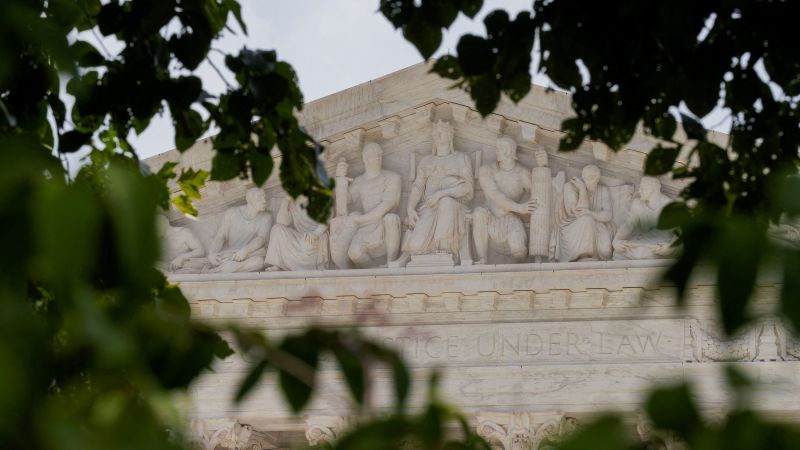
Supreme Court Ruling Boosts GOP Midterm Advantage
How the Supreme Court s campaign – How the Supreme Court’s campaign finance ruling provides Republicans with a strategic edge in this year’s midterms. The U.S. Supreme Court’s decision to lift restrictions on coordinated campaign spending has reshaped the financial dynamics of the upcoming elections, offering the GOP a significant opportunity to outspend Democratic opponents. This 6-3 ruling, which removes caps on political party contributions to federal candidates, is expected to intensify ad spending in battleground states, potentially altering the balance of power heading into November. Analysts suggest the move could be a game-changer for the Republican Party, particularly in races where financial resources are pivotal.
A New Era for Political Financing
The Supreme Court’s campaign finance ruling marks a pivotal shift in how parties can fund political campaigns. By allowing unlimited joint fundraising between candidates and their affiliated committees, the decision empowers Republicans to consolidate resources more effectively. This change aligns with the GOP’s broader strategy to streamline spending, focusing on high-impact messaging rather than spreading funds thinly. The ruling also addresses concerns about the legal definition of coordinated expenditures, granting parties greater flexibility to influence elections without regulatory constraints.
Previously, campaign finance laws limited how much political parties could directly contribute to federal candidates. The new framework, however, enables committees to pool funds and allocate them strategically. This is especially advantageous in swing states where small-dollar donations have historically benefited Democrats. By eliminating these caps, the ruling amplifies the GOP’s ability to target specific demographics, potentially swaying key voters in close races. The decision also encourages candidates to rely on party infrastructure, reducing the need for external fundraising efforts.
Expert Perspectives on the Ruling
Political analysts have highlighted the potential impact of the Supreme Court’s campaign finance ruling on the midterm landscape. Sean Cooksey, a former FEC chairman and JD Vance’s former legal adviser, emphasized the ruling’s importance, stating it grants Republicans “nuclear weapons” in campaign strategy. In contrast, Democrats face challenges in matching the GOP’s financial firepower, with some critics arguing the decision undermines the fairness of elections. The ruling’s emphasis on core political speech aligns with Republican priorities, enabling more aggressive ad campaigns without fear of legal repercussions.
“The DNC is in an atrocious fundraising position,” Cooksey noted. “With this ruling, Republicans will have the tools to amplify their message and outspend Democratic candidates in critical races.”
His comments underscore the disparity in financial resources between the two parties, with the GOP’s robust cash reserves giving them an edge in high-stakes contests. The ruling also allows for more efficient use of ad budgets, as parties can access lower rates typically reserved for individual candidates. This could be particularly impactful in states where early voter engagement is crucial.
Party Responses and Strategic Implications
Republican leaders have welcomed the Supreme Court’s campaign finance ruling as a catalyst for their electoral strategy. Senator Tim Scott and Representative Richard Hudson praised the decision, calling it a victory for equitable competition. They argued that the ruling ensures parties can support candidates without facing undue restrictions, allowing for more robust messaging in key races. The National Republican Senatorial Committee (NRSC) has already begun advising candidates to leverage party funds for essential activities like polling and local media outreach.
Democrats, however, have expressed reservations about the ruling’s long-term effects. DNC Chair Ken Martin and other party officials warned that the decision favors wealthy donors and special interests, potentially skewing electoral outcomes. They highlighted the GOP’s ability to use coordinated spending to amplify their message, contrasting it with the DNC’s reliance on super PACs, which face higher costs and less coordination. This divergence in financial strategies may widen the gap between the two parties in the coming months.
