
Supreme Court agrees to review ban on AR-style semi-automatic rifles in major Second Amendment case
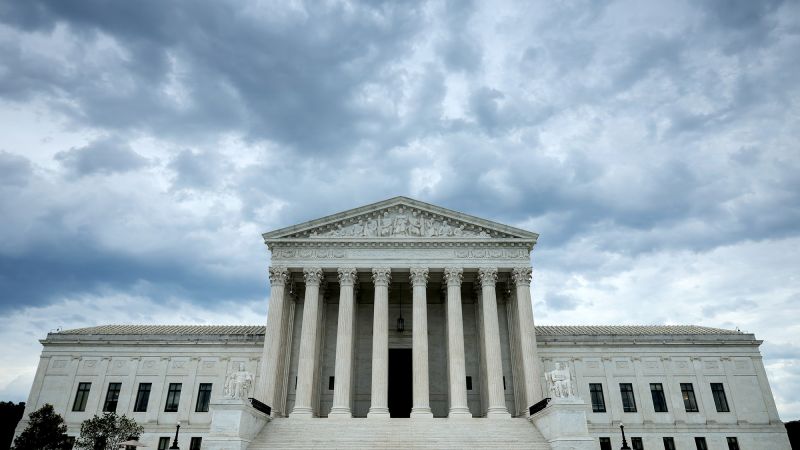
Supreme Court Agrees to Review AR-15 Ban in Second Amendment Case
Supreme Court agrees to review ban – The U.S. Supreme Court has decided to examine the legality of bans on AR-15-style semi-automatic rifles, a major development in the Second Amendment debate. This pivotal move aims to clarify whether state and local governments can impose restrictions on such firearms, potentially reshaping gun laws nationwide. The case has sparked renewed discussions about the balance between individual rights and public safety, with the Court now poised to deliver a landmark ruling.
Key Cases and Legal Challenges
Two prominent cases have drawn the Supreme Court’s attention. In one, Illinois residents contested a Cook County law that prohibits the sale and possession of AR-15s, arguing it violates their constitutional right to bear arms. Similarly, Connecticut individuals challenged state restrictions on semi-automatic firearms. These cases highlight the growing tension between jurisdictions that support such bans and those that defend the unrestricted use of these weapons. The Court’s review could set a precedent for future gun legislation.
The legal arguments revolve around whether AR-15s meet the criteria for “assault weapons” under existing laws. Critics claim the rifles are dangerous due to their high firepower and ease of use, while defenders argue they are essential for self-defense and recreational shooting. The Supreme Court’s decision to take up the case signals a shift in its approach to evaluating firearm restrictions, particularly as it applies to modern weapons.
Shifting Judicial Perspectives
Justice Brett Kavanaugh’s recent statements indicate a growing openness to revisiting the issue of AR-15 bans. In 2023, he suggested that the Court should soon address the weapon’s constitutional standing, calling states that restrict it “outliers.” This aligns with gun rights advocates, who emphasize the AR-15’s role in American history and its widespread adoption by civilians. The Court’s willingness to review the ban reflects a broader evolution in how justices assess gun control measures.
As the case progresses, the Supreme Court is expected to weigh the implications of its ruling on state and local gun laws. With a conservative majority, the decision may reinforce the idea that certain firearms are protected under the Second Amendment, regardless of their design. However, the Court’s past reluctance to address the issue suggests a careful consideration of how the new legal standard applies to modern weapons like the AR-15.
Historical Precedents and Legal Standards
The Court’s decision follows its 2022 ruling in New York State Rifle & Pistol Association v. Bruen, which established a stricter standard for evaluating gun laws. That case emphasized the importance of aligning regulations with historical practices of firearm use. Now, the AR-15 case will test how this standard applies to contemporary weapons, potentially redefining what is considered lawful under the Second Amendment.
Legal analysts note that the AR-15’s design and functionality have been central to the debate. While some argue its appearance and capabilities make it more dangerous, others highlight its practical use for everyday defense. The Supreme Court’s review is expected to address these competing views, offering a definitive answer on whether such rifles should be subject to broader restrictions or remain protected as constitutional tools.
“The AR-15 has become a symbol of American freedom, much like the muskets and rifles of the past,” stated a legal expert during the case’s filing. This sentiment underscores the cultural significance of the weapon, which both sides of the debate argue is crucial to understanding its place in constitutional law.
The outcome of this case could influence future legislation and public policy on firearms. With the Supreme Court now actively reviewing the ban, the decision may mark a turning point in the nation’s approach to gun control, either expanding or limiting the scope of the Second Amendment’s protections. As the arguments continue, the Court’s role as the ultimate arbiter of constitutional rights remains at the forefront of the national conversation.
