
From Big Lick to ‘Star City’: This Virginia mountain town shines
From Big Lick to ‘Star City’: This Virginia Mountain Town Shines
From Big Lick to Star City – Located in southwestern Virginia, Roanoke has long been celebrated for its striking natural surroundings and rich historical legacy. Surrounded by the Blue Ridge and Allegheny Mountains, the city lies along the Blue Ridge Parkway and the Appalachian Trail, offering a unique blend of urban convenience and wilderness accessibility. Its nickname as the “Magic City” reflects its rapid growth in the 1880s, when railroads transformed it from a sleepy town known as Big Lick into a thriving commercial center. Another title, the “Star City of the South,” comes from a massive illuminated star that has become a enduring symbol of civic pride.
A Hub of Outdoor Adventures
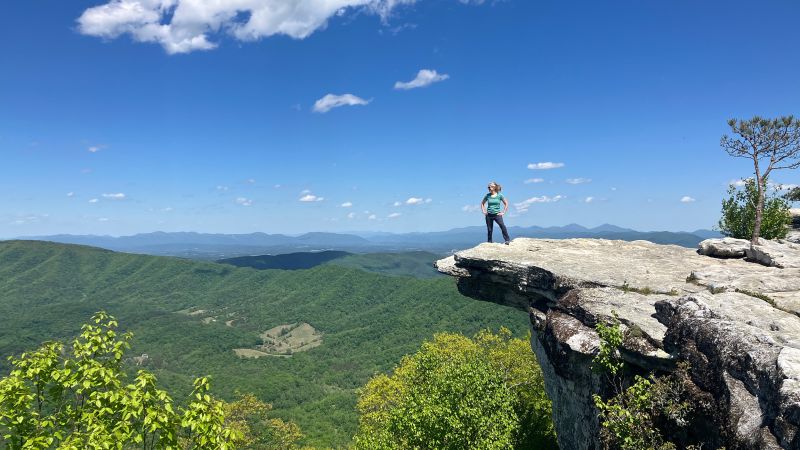
Roanoke’s proximity to the Appalachian Trail and the Blue Ridge Parkway makes it a gateway to some of the East Coast’s most scenic landscapes. For those seeking adventure, McAfee Knob stands out as a must-visit destination. This trailhead, located about 20 minutes from Roanoke’s regional airport, provides access to an 8-mile out-and-back hike that rewards hikers with sweeping 270-degree views. The trail’s dramatic overlooks have made it one of the most photographed spots on the Appalachian Trail, drawing visitors who appreciate both the challenge and the beauty of the path.
“Our access to the outdoors feels truly unique,” said Ryan Wagoner, an Appalachian Trail volunteer who recently completed a run to McAfee Knob. “It’s rare to have such natural wonders so close to a city with modern amenities.” Wagoner, who resides in Blacksburg, highlighted how Roanoke’s location—just off Interstate 81 and near a major airport—makes it an ideal base for exploring the surrounding trails and mountains.
North of Roanoke, the “Triple Crown” of hikes attracts outdoor enthusiasts. These trails, along with McAfee Knob, offer a mix of rugged terrain and stunning vistas. Meanwhile, the Blue Ridge Parkway weaves through the area to the southeast, providing additional scenic overlooks and paths for those who prefer a slower, more contemplative journey. Beyond hiking, the region also thrives as a mountain biking capital, with plenty of opportunities for fishing, kayaking, and other water-based activities.
Riding the Rails Through History
Roanoke’s transformation into a bustling city was fueled by its role as a transportation hub. The Virginia and Tennessee Railroad arrived in 1852, but it was the establishment of the Norfolk & Western Railroad’s headquarters in the 1880s that truly propelled the area’s growth. As Ken Miller, the Virginia Museum of Transportation’s rail historian, explained, “The city developed like a Western frontier town—massive construction, people flocking here for jobs and housing, and the railroad shops becoming the heart of the community.” This era gave rise to the city’s “Magic City” moniker, reflecting its rapid expansion.
Today, Roanoke’s history is still palpable, with relics of its railroad days scattered throughout the downtown area. Despite the decline of traditional rail traffic, the clackety-clack of freight trains remains a familiar sound, echoing the past. The city’s former train tracks now serve as a backdrop for modern life, with the Hotel Roanoke standing proudly on a hill above the downtown platform. This Tudor-style landmark, built by the Norfolk & Western Railroad in 1882, continues to draw visitors, offering a glimpse into the city’s industrial roots.
“Roanoke didn’t used to be cool,” noted Rainey Alvarez, a bartender at Sidecar, a downtown bistro that opened in 2020. “We’ve always had the mountains, so it’s always been beautiful,” she added, crediting the city’s food scene for revitalizing its cultural appeal. “The scene exploded a decade ago, and it’s transformed the way people experience the city.”
The Virginia Museum of Transportation, housed in a 100-year-old freight station, is a testament to Roanoke’s railroad heritage. Visitors can explore exhibits that span aviation, automotive history, and classic cars, but the museum’s true highlight lies in its outdoor railyard, where historic locomotives and railcars are preserved. Among these is the iconic Norfolk & Western J Class No. 611, a sleek engine that once powered the region’s rail networks. The museum also features the O. Winston Link Museum, which preserves dramatic photographs and audio recordings of the steam era, capturing the city’s industrial golden age.
Walking from the Hotel Roanoke to the museum, visitors cross over the train tracks via a glass-enclosed bridge. Along the way, informational panels explain the architectural and historical significance of key buildings tied to the city’s rail history. These include the old Norfolk & Western passenger station, now home to two museums, and the East End Shops, where some of the world’s most renowned steam locomotives were constructed. The former headquarters of the Norfolk & Western Railroad is also on display, though its operations eventually moved to a new building, leading to the closure of Roanoke offices in 2015.
Roanoke’s downtown area reflects its evolving identity. Once a backdrop for industrial activity, the city’s compact, walkable streets now bustle with locally owned businesses and cultural attractions. The Virginia Museum of Transportation, with its century-old freight station as a venue, symbolizes this balance between past and present. As the city continues to grow, its charm remains rooted in its unique blend of natural beauty, historical significance, and modern vibrancy. For residents and visitors alike, Roanoke offers a compelling story—one that is as much about the land as it is about the people who have shaped its destiny.
