
Crowd size gripes, state fair troubles: The problems of an America 250 celebration tied to Trump
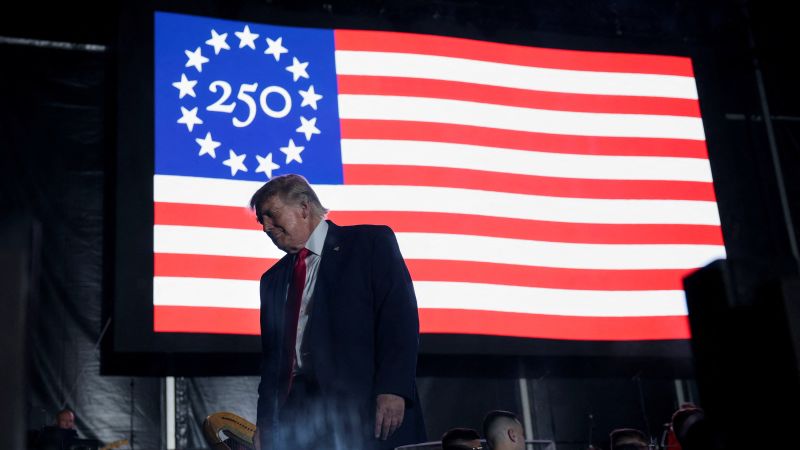
Crowd Size Grips State Fair: America 250 Celebrations Tied to Trump Face Challenges
Crowd size gripes state fair troubles – The state fair has become a lightning rod for criticism as the nation prepares to mark its 250th anniversary of independence. With President Trump’s July Fourth rally tied to the event, concerns over crowd size have intensified, casting doubt on the festivities’ ability to unite the country. While the fair was intended to showcase American pride, logistical issues and public skepticism about turnout have overshadowed its significance. Trump’s administration, eager to frame the celebration as a patriotic milestone, faces mounting pressure to address these gripes and ensure the event lives up to its grand promises.
A National Event in Question
State fair troubles have emerged as a symbol of broader frustrations with the 250th anniversary celebrations. Despite efforts to create a seamless experience, attendees report mixed feelings about the event’s scale and organization. The White House, which promoted the fair as a centerpiece of the semiquincentennial, now finds itself defending its decisions amid reports of sparse crowds and last-minute adjustments. Critics argue that the focus on Trump’s political legacy has distracted from the event’s primary goal of celebrating national history.
“The state fair was supposed to be a unifying moment, but it’s become a battleground for dissent,” remarked a political analyst, highlighting the divide between Trump supporters and others who view the event as a partisan spectacle. “Crowd size gripes are not just about numbers—they reflect a deeper disconnect with the message being conveyed.”
Logistical challenges, such as traffic congestion and limited seating, have further fueled complaints. While some attendees praise the fair’s cultural programming, others point to the lack of coordination as a key issue. The connection between the event and Trump’s leadership has made these problems more pronounced, with his team now scrambling to salvage the perception of a successful celebration.
July Fourth: A Crucial Test
As the July Fourth rally approaches, the state fair’s struggles have heightened anxieties about the event’s outcome. Trump’s team has emphasized the importance of this date as a turning point for the semiquincentennial, but the smaller-than-expected crowds at the fair have raised questions. Officials have criticized the timing of the rally, suggesting it may deter attendees. The president’s recent social media rants, including his claim that the fair was “packed to the brim,” contrast sharply with on-the-ground reports of empty spaces.
“We’re not just hosting a fair—we’re trying to reignite the spirit of America,” said a White House spokesperson, addressing the crowd size concerns. “The state fair troubles are part of the process to build momentum for the July Fourth showcase.”
Despite the setbacks, the administration remains committed to its vision. Plans for the rally include heightened security, elaborate stage setups, and a schedule designed to maximize visibility. However, the lingering state fair gripes have made it difficult to ignore the perception that the celebrations are more about political symbolism than genuine public engagement. This tension may affect the event’s ability to inspire collective pride.
Strategies to Boost Attendance
In response to the state fair troubles, the White House has launched initiatives to attract larger crowds. Free tickets, exclusive performances, and promotional campaigns have been deployed to counter the initial underwhelming turnout. While these measures aim to address crowd size gripes, their effectiveness remains uncertain. Some argue that the focus on Trump’s presence has overshadowed the historical significance of the event, making it harder to draw diverse audiences.
“The state fair was a trial run for the July Fourth event,” explained a campaign advisor. “We’re learning from the crowd size gripes and adjusting strategies to ensure the final show is unforgettable.”
Additionally, efforts to streamline the fair’s layout and improve accessibility have been made. However, logistical hurdles persist, and the ongoing controversies have left many skeptical. The administration’s ability to overcome these challenges will be crucial in shaping the public’s view of the 250th anniversary as a time of national renewal.
Public Sentiment and Political Impact
The state fair’s struggles have mirrored the broader political climate, with crowd size gripes becoming a talking point among critics. While Trump’s supporters remain enthusiastic, others have grown frustrated by the perceived lack of public enthusiasm for the celebrations. This divide has been exacerbated by the fair’s association with the president, as his presence has drawn both admiration and scrutiny. The event’s outcome could influence perceptions of his leadership and the nation’s collective morale.
“It’s not just about how many people show up—it’s about who they are and what they represent,” noted a political strategist. “The state fair troubles highlight the challenges of aligning political goals with public sentiment.”
As the 250th anniversary approaches, the focus keyword “crowd size gripes state fair” will remain central to discussions about the event’s success. Whether the July Fourth rally can overcome these issues and redefine the celebrations’ legacy depends on the administration’s ability to adapt and engage the public beyond political messaging.
