
Special Agent in Charge of FBI Chicago field office pushed to retire
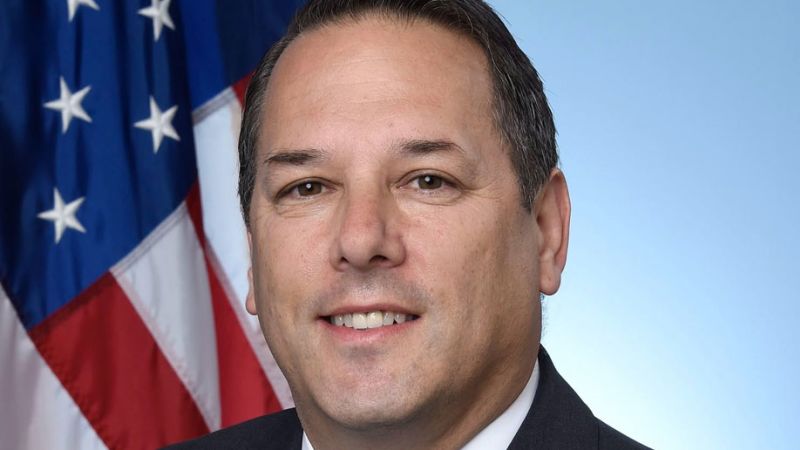
Special Agent in Charge of FBI Chicago Field Office Pushed to Retire
Disagreements with US Attorney Spark Leadership Transition
Special Agent in Charge of FBI Chicago – Douglas S. DePodesta, the head of the FBI’s Chicago field office, has been compelled to step down from his position following a pattern of disputes with the local US Attorney, Andrew Boutros, two individuals close to the situation revealed. These sources emphasized that the retirement was not the result of a single disagreement, but rather a culmination of ongoing conflicts that have strained the relationship between the two leaders. DePodesta’s plans to vacate his office were confirmed by a source, who noted that the process began on Wednesday. Despite the lack of direct comments from DePodesta, the FBI has yet to provide an official statement on the matter. The Justice Department initially fielded inquiries but later deferred to the FBI, which has remained silent on the details.
Leadership and Background of the Retiring Official
DePodesta’s tenure as the special agent in charge (SAC) of the Chicago field office began in 2024, following his appointment by former FBI Director Christopher Wray. Prior to this role, he served as the interim SAC in Memphis, Tennessee, during a critical period for the bureau. Joining the FBI in 2002, DePodesta has spent over two decades in federal law enforcement, navigating complex investigations and leadership responsibilities. His retirement now marks the end of a significant chapter in his career, raising questions about the internal dynamics of the FBI and its alignment with prosecutorial priorities.
Boutros, the US Attorney for the Northern District of Illinois, has emerged as a central figure in this leadership shift. His office has been under intense scrutiny in recent months, particularly after three criminal cases were dropped due to issues with the presentation of evidence to grand juries. These cases, which accused individuals of pandemic-related fraud, arson charges dating back years, and politically motivated prosecutions of ICE demonstrators, were deemed insufficient by Boutros. The decision, he stated, was influenced by the work of a single lower-level prosecutor, whose performance during the grand jury sessions raised concerns about the quality of legal preparation.
“I decided to drop the cases because of one prosecutor’s work on them,” Boutros said in an interview, highlighting the perceived lack of due diligence in the proceedings.
This move by Boutros has not only drawn criticism from within the FBI but also sparked broader discussions about the balance between prosecutorial independence and federal investigative oversight. His recent focus on scrutinizing grand jury transcripts has placed him in the national spotlight, with frequent media appearances alongside Justice Department officials in Washington, DC. The review of over 100 confidential sessions has been seen as an effort to reassert control over the investigative process, particularly in cases that have gained political attention.
Broader Implications for the Justice Department
The retirement of DePodesta comes amid an ongoing probe into E. Jean Carroll’s lawsuits against former President Donald Trump. This investigation, led by Boutros’ office, examines whether Carroll committed perjury in her claims of sexual assault and whether billionaire Reid Hoffman provided financial support to the litigation. The case has taken on added significance as it intersects with the Trump administration’s legal strategies and the broader debate over the role of private funding in federal prosecutions.
Carroll, a former employee of Trump’s company, filed lawsuits alleging that Trump sexually assaulted her during a shopping trip at a Manhattan department store. These cases have become emblematic of the high-profile legal battles between Trump and his critics, with Boutros’ office playing a pivotal role in their examination. The probe into potential perjury and external funding has raised questions about the integrity of the legal process and the influence of private interests on public prosecutions.
DePodesta’s departure is also being viewed as part of a larger trend within the Justice Department, where leadership changes often reflect shifting priorities or internal power struggles. His role as SAC in Chicago was critical in managing major investigations, including those related to organized crime, cybercrime, and political corruption. The abrupt nature of his retirement has left some analysts speculating about the extent of the disagreements with Boutros, though no formal allegations have been publicly disclosed.
Context and Public Reaction
Boutros’ decision to drop the cases has generated mixed reactions. Supporters argue that his focus on meticulous legal standards is necessary to ensure justice, while critics claim it reflects an overreach into prosecutorial discretion. The timing of the retirement—just as Boutros is navigating high-profile investigations—has added layers of complexity to the situation. DePodesta’s exit, meanwhile, underscores the challenges faced by FBI leaders in maintaining autonomy amid the pressures of political oversight.
The cases that were dropped include allegations of financial misconduct tied to the pandemic, which some experts say were well-supported by evidence, and others that have been scrutinized for their political motives. Boutros’ emphasis on reviewing grand jury transcripts has been framed as a way to ensure transparency, but it has also been criticized for potentially politicizing the legal process. The FBI’s response to the retirement has been notably subdued, with officials declining to comment on the circumstances of DePodesta’s departure.
As the story unfolds, DePodesta’s role in the Chicago field office will be remembered for its impact on local law enforcement and federal investigations. His leadership was instrumental in addressing both domestic and international threats, and his retirement signals a transition in the bureau’s direction. Meanwhile, Boutros’ efforts to restructure the US Attorney’s office continue, with the potential to shape the trajectory of future cases and the FBI’s relationship with prosecutorial authorities.
Conclusion and Ongoing Developments
The retirement of DePodesta highlights the intricate interplay between FBI leadership and prosecutorial oversight. While the exact reasons for his departure remain unclear, the series of disputes with Boutros suggests a rift over investigative methods and prosecutorial goals. As the Justice Department and the FBI continue to navigate these challenges, the focus remains on maintaining institutional credibility and ensuring that legal actions are both thorough and impartial. The situation is expected to evolve, with further details emerging as the agency’s internal processes unfold.
For now, the Chicago field office is in the midst of restructuring, with DePodesta’s exit leaving a void in leadership. The broader implications of this shift extend beyond the immediate cases, raising questions about the stability of the FBI’s operations and the factors influencing its decisions. As the probe into Carroll’s lawsuits progresses, and as the US Attorney’s office continues to review its past work, the spotlight on these developments will likely grow. The story is far from over, and further updates are anticipated.
In the coming weeks, the FBI and Justice Department will be closely watched for their responses to these leadership changes. DePodesta’s experience and expertise will be missed, particularly in the context of Chicago’s diverse crime landscape. His retirement, while a personal and professional milestone, also reflects the broader dynamics at play within the federal law enforcement community. As the investigation into Carroll’s lawsuits intensifies, the FBI’s ability to maintain its independence will be a key focus for both internal and external observers.
The ongoing tension between the FBI and the US Attorney’s office serves as a reminder of the challenges inherent in coordinating law enforcement and prosecution. While both entities share the goal of upholding justice, their differing approaches to cases can lead to friction, especially in politically charged environments. DePodesta’s departure underscores how such disagreements can shape the direction of federal investigations and influence the careers of those involved.
As the FBI Chicago field office adapts to this new leadership structure, the agency will need to address the concerns raised by Boutros’ actions. The review of grand jury transcripts and the dropping of cases have sparked debate about the balance between speed and precision in criminal proceedings. With the Justice Department and the FBI continuing to work through these issues, the future of the bureau’s operations in Chicago remains uncertain, pending further developments.
