
What experts say about the effectiveness of electric muscle stimulation workouts
What Experts Say About the Effectiveness of Electric Muscle Stimulation Workouts
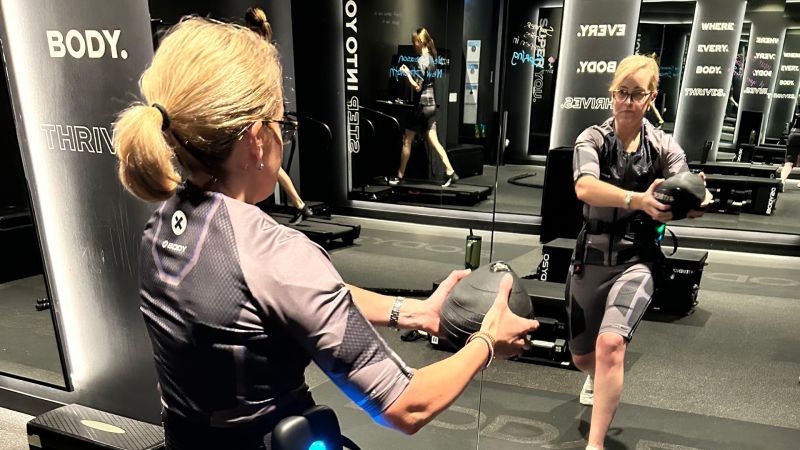
What experts say about the effectiveness – Emily Ferrara, a 43-year-old fitness enthusiast, found herself struggling to achieve her goals through traditional workouts. After consulting with her trainer and exploring online resources, she opted for an alternative approach: electric muscle stimulation (EMS). “I came across it while searching for new methods, and the science behind it seemed promising,” she explained. With a history of thyroid issues and PMOS (post-menopausal osteoporosis), Ferrara sought medical advice before committing. Now, two years into her EMS routine, she reports measurable changes in her body composition, noting increased muscle mass and reduced fat levels, even while maintaining a balanced fitness regimen.
EMS: A Growing Trend in Fitness and Wellness
The rise of EMS in the fitness world has been notable, with social media platforms and wellness studios driving its popularity. Between 2023 and 2025, the number of venues offering EMS sessions on ClassPass, a fitness app, surged by over 16%. This trend reflects a broader shift in how people approach physical training, blending technology with exercise. Ferrara’s experience is just one example of individuals turning to EMS for its efficiency and convenience, though experts caution about its limitations.
EMS operates by delivering electrical impulses through a suit embedded with electrodes, prompting involuntary muscle contractions. Unlike conventional workouts that rely on voluntary movement, this method engages muscles directly, often in fewer sessions. For Ferrara, the combination of EMS with cardio and light resistance exercises has yielded results. She noted that while the 20-minute sessions are short, they have complemented her overall fitness goals. “I’ve tracked my progress, and the shift from fat to muscle is clear,” she said, emphasizing the tangible impact of the technology.
From Therapy to Trend: The Evolution of EMS
Before it became a fitness sensation, EMS was primarily used in physical therapy and sports rehabilitation. Its roots trace back to the 1970s, when Soviet athletes integrated it into their training regimens to enhance strength and recovery. Over time, the technique expanded into clinical settings, aiding patients with mobility issues or post-surgical recovery. Today, it’s being rebranded for mainstream consumers, but its applications remain rooted in targeted muscle activation.
Dr. Greg Holtzman, a clinical practice director at Washington University PT, highlights both the potential and the pitfalls of EMS. He acknowledges that the technology can be beneficial for specific groups, such as post-operative patients or individuals aiming to strengthen isolated muscle groups. “EMS is a valuable tool for those with limited mobility or needing focused muscle engagement,” he stated. However, he argues that for the general population, its efficiency pales in comparison to varied exercises like functional strength training or weightlifting.
According to Holtzman, EMS primarily targets larger muscle fibers first, which can be advantageous for rapid results. This differs from natural muscle recruitment, where smaller fibers are typically engaged first. While this method may conserve energy, it can also lead to fatigue if not managed carefully. “The way EMS recruits muscles is different from how the body functions on its own, which means users must be mindful of their form and avoid overexertion,” he warned. This insight underscores the importance of combining EMS with traditional exercise to maximize benefits.
Expert Insights on EMS: Promise and Caution
Despite its appeal, EMS is not without risks. Holtzman noted that skin irritation and discomfort are common side effects, though they rarely require medical intervention. Still, certain populations—such as those with active infections, malignant cancers, or pacemakers—should consult a healthcare provider before starting. “It’s not something that’s likely to cause severe harm, but precautions are essential,” he said.
One of the key advantages of EMS is its ability to stimulate muscle activity with minimal effort. For example, athletes like Cristiano Ronaldo have incorporated it into their routines as a supplement, focusing on abdominal engagement. Similarly, actor Tom Holland used EMS equipment to prepare for his role in the “Spider-Man” series, highlighting its versatility for performance enhancement. However, these high-profile endorsements don’t fully address the debate over its overall effectiveness.
Holtzman emphasized that while EMS can be a useful tool for targeted muscle growth, it lacks the holistic benefits of a well-rounded fitness program. “It’s great for isolated workouts, but it doesn’t replicate the full range of motion or the metabolic demands of more dynamic exercises,” he explained. He also pointed out that prolonged use may lead to muscle soreness, which, though not necessarily harmful, can affect consistency. “Users should be aware that intensity levels can impact their experience, and proper form is critical to prevent injury,” he added.
Measuring Results: Body Composition and Beyond
Ferrara’s journey illustrates the potential of EMS to alter body composition. Her routine includes three sessions weekly at an Atlanta studio, paired with cardio and light resistance training. She described how the technology’s effects were measurable through body fat assessments. “The results were surprising,” she said. “My weight dropped, but the real change was in my muscle-to-fat ratio. It’s not just about the number on the scale—it’s about how the body feels and functions.”
While Ferrara’s experience is encouraging, experts like Holtzman stress that individual results may vary. He noted that EMS is most effective for people with specific needs, such as muscle weakness or targeted strength goals. “For the average person, it’s not a replacement for regular exercise, but it can be a complementary tool,” he said. This nuance is critical, as many users may expect EMS to deliver the same results as traditional workouts without the same effort.
Some studies suggest that EMS can enhance muscle growth when combined with conventional training. A 2022 meta-analysis comparing EMS with traditional exercise found that while the former may offer faster contraction rates, the latter provides superior long-term benefits. Holtzman referenced this research, stating, “The literature supports EMS for very weak or very strong individuals, but as a standalone tool, it’s less efficient than varied routines.” He also highlighted the importance of consistency and proper technique, urging users to integrate EMS into a broader fitness strategy.
As EMS continues to gain traction, its role in wellness may evolve. For now, it remains a tool with unique advantages and specific applications. Ferrara’s story demonstrates its potential, but Holtzman’s cautionary perspective reminds users to balance innovation with traditional methods. Whether as a supplement or a standalone option, EMS is reshaping how people approach fitness—but its success depends on how it’s used and the goals it addresses.
With the summer heatwave intensifying, many are seeking ways to stay active without sacrificing comfort. EMS offers a solution for those who want to streamline their workouts, but it’s essential to understand its limitations. By combining the technology with a comprehensive approach to fitness, individuals can harness its benefits while ensuring a well-rounded physical regimen. As the debate over its efficacy continues, one thing is clear: EMS is here to stay, and its impact on the fitness landscape will likely grow in the coming years.
