
American pilot killed by rebels in Papua, says Indonesian military
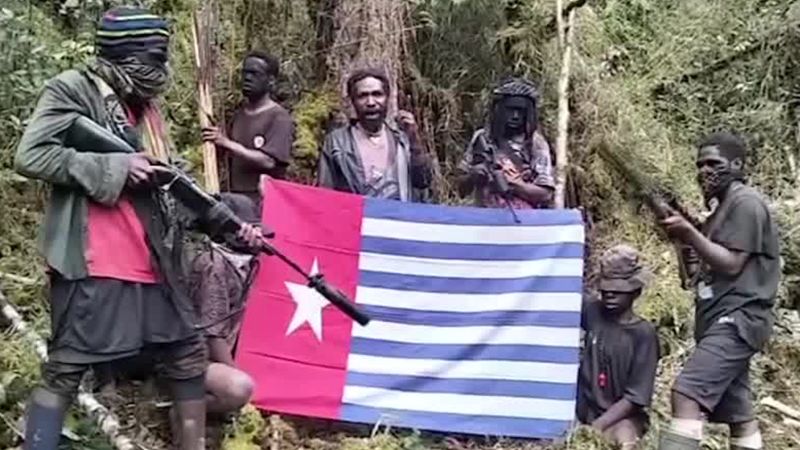
Indonesian Military Confirms Death of American Pilot in Papua Conflict
American pilot killed by rebels in Papua – The Indonesian military announced on Friday that it had retrieved the body of an American pilot who was killed during an ambush by separatist rebels in the remote eastern region of Papua. The incident, which occurred in the Yahukimo district of Highland Papua province, was described by officials as a deliberate act targeting both the United States and Indonesian governments. The attack, they said, was intended to send a clear message about the ongoing tensions in the region.
Separatist Group Claims the Attack Was a Strategic Move
Sebby Sambom, a spokesperson for the West Papua National Liberation Army (TPNPB), stated that their forces had executed the pilot, Nicholas F. Gosselin, and destroyed his aircraft after it landed in the area. According to Sambom, the plane had been “consistently dropping Indonesian military personnel” and “disregarding the TPNPB’s ultimatum” for entering rebel-controlled zones. He emphasized that further attacks would follow if the Indonesian government continued to permit civilian flights into areas deemed high-risk by the separatist group.
“This operation was a message to the Indonesian and U.S. governments for their failure to address the root causes of the conflict in Papua between the military and our movement,” Sambom said. He added that the aircraft had been violating the group’s terms by operating in regions where rebels had declared their presence.
The TPNPB, a long-standing separatist organization, has been waging a low-intensity struggle for independence from Indonesia. This conflict, which has persisted for decades, has intensified in recent years as independence fighters have gained access to advanced weaponry. The eastern half of Papua, where the attack took place, has seen a surge in violent incidents, with rebels increasingly targeting both military and civilian assets.
Indonesian Military Response and Investigation
Wirya Artadiguna, a military representative in Papua, confirmed the attack and noted that the pilot’s body had been recovered and transported to safety. He assured that all passengers on the flight were unharmed and had been evacuated. Officials initially reported seven individuals on board, including six Papuans and the American pilot.
The military is now conducting an investigation to identify the perpetrators of the attack. While the TPNPB has claimed responsibility, no immediate confirmation of their involvement has been provided. Artadiguna stressed that the incident underscored the need for stricter measures to prevent civilian aircraft from entering rebel-occupied areas, which he described as “high-risk zones”.
Background on the Conflict and Past Incidents
The conflict in Papua has its roots in the 1960s, when the region was granted independence from Indonesia in a referendum. However, the majority of Papuans voted to remain part of the country, leading to the formation of the TPNPB. Over the years, the group has carried out numerous attacks, often resulting in casualties among both military and civilian populations.
A notable incident occurred in February 2023, when Papuan rebels captured New Zealand pilot Phillip Mehrtens after his plane landed in the mountainous Nduga district. Mehrtens was held for over 18 months before being released in September 2024. His case, which drew international attention, highlighted the risks faced by foreign nationals operating in the region. The TPNPB used Mehrtens’ capture as a symbolic act, though he was eventually freed without any harm.
“The attack was a calculated effort to highlight the government’s neglect of Papuan grievances,” Sambom said. “We demand recognition of our right to self-determination and an end to the military’s dominance in the region.”
The current attack on Gosselin marks another escalation in the conflict. The pilot, who was flying a plane operated by PT AMA, a local airline, had been delivering supplies such as food, fuel, and mail to remote villages. The TPNPB’s video footage, released after the incident, showed rebels armed with rifles and machetes, raising the “Morning Star” flag—a symbol of Papuan independence—while declaring their actions.
PT AMA, which had been operating flights in the region for years, did not immediately comment on the attack. However, the company’s website highlights its role in connecting isolated communities across Papua. The pilot’s death has raised concerns about the safety of such operations, with critics arguing that the Indonesian military’s presence in the area has fueled resentment among separatists.
Global Reactions and Ongoing Tensions
The U.S. embassy in Jakarta has yet to issue a formal response to the incident, though officials are likely to assess its implications for bilateral relations. The attack comes amid growing global scrutiny of Indonesia’s handling of the Papua conflict, which has seen periodic spikes in violence. Human rights groups have previously criticized the military for its use of force in the region, citing reports of civilian casualties and restricted access to resources.
The TPNPB’s actions have also drawn criticism from some quarters, with opponents arguing that the group’s use of violence against foreign pilots undermines its legitimacy. However, supporters of the separatist movement view such incidents as necessary to draw attention to what they call systemic discrimination by the Indonesian government. The pilot’s death may further strain relations between the two nations, particularly as the U.S. has long supported Indonesia’s territorial integrity.
Meanwhile, the Indonesian military has reaffirmed its commitment to maintaining control over the region. In a statement, it highlighted the pilot’s role in supporting military operations, suggesting that the attack was a direct response to perceived collaboration with the armed forces. The military has also urged the government to prioritize security in Papua, emphasizing the threat posed by separatist groups.
As the investigation into Gosselin’s death continues, the incident serves as a stark reminder of the volatile nature of the conflict. With the TPNPB and other separatist factions still active, the situation in Papua remains precarious. The killing of a foreign pilot could lead to renewed diplomatic efforts or, conversely, heightened tensions as both the U.S. and Indonesia seek to address the underlying issues driving the unrest.
Historically, Papua has been a flashpoint for political and ethnic tensions. The region’s rich natural resources, including oil and minerals, have made it a strategic target for both the government and rebel groups. The attack on Gosselin adds another layer to this complex dynamic, raising questions about the future of peace talks and the role of external actors in the conflict.
