
Founder of one of China’s biggest underground churches freed, reunites with family in US
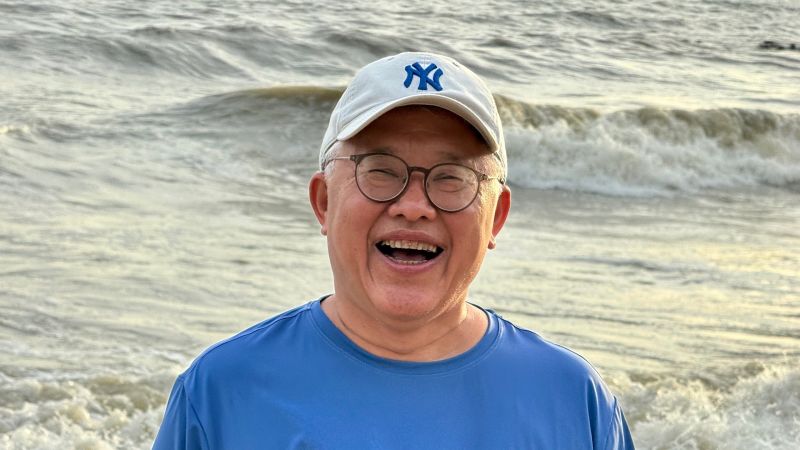
Founder of China’s Largest Underground Church Freed, Reunites with Family in U.S.
Founder of one of China s biggest –
Ezra Jin, a key figure in one of China’s largest underground churches, has been released from imprisonment and reunited with his family in the United States, according to his daughter, who spoke to CNN. The pastor, known for leading the Zion Church, was detained during a government crackdown on unregistered religious groups. His release in early 2026 marks a significant development in the ongoing struggle for religious freedom within the country.
Religious Freedom and Government Crackdowns
China’s approach to religious practices has long been shaped by its commitment to state control. While Christianity is permitted, unregistered churches often face scrutiny as potential challenges to the government’s authority. Jin’s church, operating in secrecy for nearly a decade, became a symbol of resistance amid intensified campaigns against religious groups since 2018. These efforts targeted not only the Zion Church but also others linked to underground movements, creating a climate of vigilance for practitioners.
Jin’s decision to return to China in 2025 to support his congregation led to his detention, separating him from his family for over three years. His release came after a diplomatic push from U.S. President Donald Trump, who engaged with Chinese leader Xi Jinping to address concerns about religious persecution. The family’s emotional relief underscores the importance of international advocacy in influencing domestic policies.
Trump’s Diplomatic Intervention
The U.S. administration’s involvement in Jin’s case was pivotal. During a May 2026 visit to Beijing, Trump directly raised the issue of Jin’s imprisonment, signaling a commitment to religious freedom. Grace Jin Drexel, a Senate staffer and daughter of the founder, expressed gratitude for the efforts that led to his release. “This situation has forced us to take action,” she remarked, highlighting the urgency of the diplomatic engagement.
“We are feeling so overwhelmed with joy. We thank God for this tremendous miracle,” Grace Jin Drexel said in a family statement to CNN. “We also thank President Trump and his administration for their tremendous leadership. This could not have happened without the direct intervention from Chairman Xi Jinping.”
Drexel emphasized that while Jin’s release is a victory, it also reflects the broader context of China’s religious landscape. The case has drawn attention to the challenges faced by underground church leaders, who often balance spiritual mission with the risk of state punishment. Trump’s engagement appears to have catalyzed a shift in the government’s stance, though its long-term impact remains to be seen.
The Zion Church’s Journey
Jin founded the Zion Church in Beijing in 2007, establishing a community that thrived despite strict regulations on religious activities. The church, which operated covertly, played a central role in the lives of its followers, offering spiritual guidance and a sense of belonging. However, the 2018 crackdown forced the congregation to scatter, with Jin and his family seeking refuge in the U.S. to evade further persecution.
Despite relocating, Jin’s return to China in early 2025 demonstrated his dedication to his members. The government’s actions, including his detention, highlighted the precarious situation of underground church leaders. His case has become emblematic of the broader conflict between religious autonomy and state oversight, drawing international scrutiny and advocacy efforts.
Human Rights and Ongoing Challenges
While Jin’s release is a milestone, human rights advocates stress that the situation for religious leaders in China remains complex. “This case brings hope, but it’s only one part of a larger struggle,” said Brian Tronic of Freedom House, noting that many Zion Church members still face detention. Tronic called for sustained pressure to ensure accountability and protect the rights of all religious practitioners.
Rev. Dr. Bob Fu of ChinaAid praised the outcome, acknowledging the role of Trump’s intervention in securing Jin’s freedom. “This is a testament to the power of diplomacy,” Fu stated, while also emphasizing the need for continued advocacy. The case has sparked discussions about the intersection of religious freedom and political influence, with Jin’s story serving as both a victory and a reminder of ongoing challenges.
