
The addictive 8 seconds where ‘nothing else in the world matters’
The Addictive 8 Seconds Where ‘Nothing Else in the World Matters’
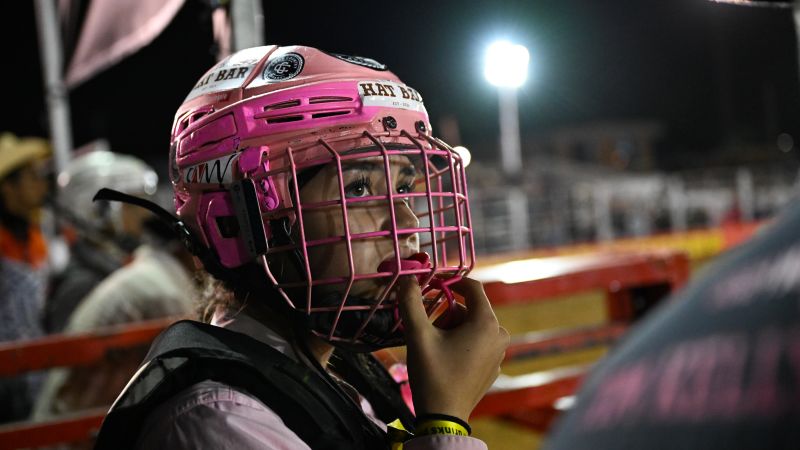
The addictive 8 seconds where nothing – At the heart of the rodeo arena, 14-year-old Johnathon Carlo leans into the saddle of a miniature bull, his body tensed as the gate swings wide. The crowd’s cheers fade into a blur as he battles the creature’s bucking, his left wrist gripping the bull rope with determination. After a dramatic fall into the dirt, he shakes off the dust and walks back to the chutes, his expression a mix of defiance and exhilaration. “You hurt?” someone asks. “Nah,” he replies, his voice steady. For bull riders, pain is often a minor inconvenience—a fleeting discomfort compared to the thrill of conquering the beast.
The Dream of the Rodeo
Australia’s rodeo culture, though distinct from its American counterparts, shares the same core obsession: eight seconds on the back of a bull. The goal is clear, yet the path is perilous. In this nation of sprawling cattle stations, where the land stretches beyond the horizon, the sport has become a symbol of rugged independence. However, the competition to make it to the Youth Bull Riders World Finals in Texas is fierce. This year, nine young Australians will travel to the United States, their dreams tethered to the hope of claiming a spot in the global spotlight.
“It’s just a great experience for them,” says Clint Morris, a parent and supporter of the Red Dirt Australian Rodeo. “They get over there and they’re messing with the world.”
The non-profit organization, Red Dirt Australian Rodeo, has been a lifeline for these aspiring athletes. With the cost of long-haul travel and the unpredictability of success, the team of parents works tirelessly to fund the journey. Their efforts are driven not just by ambition, but by a desire to see their children thrive in a world where cowboys are often called “stockmen” or “ringers,” and trainees are known as “jackaroos” or “jillaroos.” These terms, while localized, echo the same spirit of tradition and resilience that defines rodeo culture across the globe.
A Minority Passion in a Sport-Obsessed Nation
Despite Australia’s deep connection to the sport, bull riding remains a niche pursuit. The country’s vast cattle stations, some larger than those in the United States, have fostered a unique cowboy culture, but it’s still overshadowed by the popularity of football, soccer, and netball. These sports, with their structured leagues and widespread fanbases, compete for the attention of young Australians who might otherwise chase the wild freedom of the rodeo.
For Johnathon, the road to Texas begins with a routine that feels as much like a ritual as it does a training session. Nearly every weekend, he and his five siblings pile into their mother’s car, navigating the rural backroads of Queensland to reach the next event. The journey is as much a part of the experience as the ride itself. “The way he just looks for his family, and he gives us a wave,” says Elizabeth Davidson, his mother, who admits to feeling a mix of nerves and pride before each competition.
Beyond Johnathon, other young athletes are preparing for their own quests. Bella Brinner, 12, is determined to “show the boys who’s boss” as she competes with her favorite bulls, Ice Cube, Monkey, and Flopp. Jake Washband, 13, has known since age seven that he wanted to ride, while EJ Morris and Kobi Evans, also 13, are already envisioning themselves as world champions. Though none of them currently rank at the top of Australia’s competitive roster, their participation underscores the growing interest in the sport.
A Legacy of Resilience
The roots of Australia’s cowboy culture stretch back to the early days of colonization. Cherbourg, Johnathon’s hometown, once served as an Aboriginal mission, where his ancestors were segregated under policies that displaced communities from their traditional lands. From 1900 to the early 1970s, many Aboriginal groups were forced into government-run reserves, yet they found ways to preserve their heritage. Some became stockmen, mastering the art of mustering cattle on horseback, while others passed down stories of resilience through generations.
Damien Bond, a third-generation bull rider from Cherbourg, reflects on this legacy. “The cattle industry, it was built off the backs of my people,” he says. “Anything to do with horses, cattle, rodeo, we adopted into our culture, too.” His brother Charlie Bond, a mentor to young riders like Johnathon, believes the sport is more than a pastime—it’s a bridge between history and the present. Johnathon’s early training began on Charlie’s property, where he learned to ride horses alongside his siblings, their bond forged in the saddle.
The parallels between Australia’s rodeo culture and that of the Americas are striking. Just as the frontier shaped American cowboy traditions, the harsh conditions of Australia’s outback gave rise to a hardy, self-reliant ethos. Yet the Australian version carries its own flavor, shaped by the land’s vastness and the community’s unwavering support. In some rural areas, folk music and cowboy hats are as common as trucks, a testament to the enduring appeal of the cowboy spirit.
While the dream of competing in the United States may seem distant for many, the rewards of bull riding are often closer to home. The sport’s raw intensity and connection to the land offer more than just competition—it provides a sense of purpose and identity. For Johnathon, Bella, Jake, and the others, the eight seconds on a bull are not just a measure of skill but a testament to their determination to carve a place in the world, one ride at a time.
The story of Australian bull riding is also one of adaptation and survival. As the sport evolves, so does its cultural significance. The Rodeo World Finals in Texas may represent the pinnacle of achievement, but for many young Australians, the journey is as much about proving themselves to their community as it is about global recognition. The next generation of riders, armed with tradition and ambition, continues to ride into the future, their eight seconds a fleeting yet powerful moment in a lifetime of grit and glory.
