
Suspect in Charlie Kirk’s killing appears in court for multiday hearing as prosecutors preview their evidence
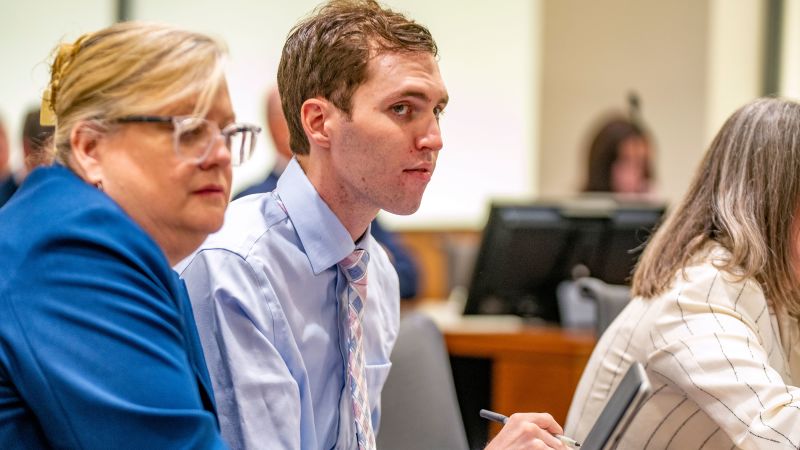
Charlie Kirk Suspect Appears in Court for Multi-Day Hearing
Suspect in Charlie Kirk s killing – The suspect in Charlie Kirk’s killing, Tyler Robinson, made his initial court appearance on Monday as the multi-day preliminary hearing began. This critical phase of the legal process allows prosecutors to preview their evidence, which centers on Robinson’s alleged role in the murder of conservative activist Charlie Kirk. The hearing, held in a Salt Lake City courtroom, is expected to last several days, with both sides preparing to present arguments that could shape the case’s outcome. With Kirk’s death occurring in September 2025, the trial has drawn national attention, particularly due to the political implications tied to the victim’s prominence in American conservatism.
Prosecutors Preview Evidence, Defense Seeks to Challenge It
On the first day of the hearing, prosecutors focused on initial testimony from a UVU police officer who described the events leading to Kirk’s fatal shooting. The officer’s account, paired with forensic analysis and digital communications, aims to establish Robinson’s intent and motive. A key piece of evidence includes a videotaped statement from his former roommate, who is described as his romantic partner. This statement, according to court records, is expected to reveal conversations that prosecutors argue contain a confession linking Robinson to the crime. The defense, however, plans to contest these claims by introducing forensic experts to analyze the evidence and question its interpretation.
The Utah County Attorney’s Office has outlined their strategy, emphasizing the need to connect Robinson’s actions to the shooting. They will present surveillance footage, photographs of the weapon used, and ballistic reports to support their case. Meanwhile, Robinson’s legal team has requested camera access to be limited, fearing it could influence public perception and compromise the suspect’s right to a fair trial. The hearing now serves as a platform for both sides to shape the narrative surrounding the murder of Kirk, a co-founder of Turning Point USA.
Political Impact and Public Reaction
Charlie Kirk’s death has intensified discussions about ideological tensions in the U.S. and the safety of political events. The incident, which occurred during a speech at UVU’s campus courtyard, has been widely shared on social media, amplifying its reach and emotional impact. His wife, Erika Kirk, and Donald Trump Jr., a personal friend, attended the hearing, highlighting the case’s significance beyond the courtroom. As the trial progresses, the media’s presence in the courtroom has become a focal point, with some arguing it enhances transparency while others caution against potential bias in jury selection.
The courtroom has become a symbol of the broader debate around political violence. With over 3,000 attendees at the event where Kirk was killed, the case has sparked conversations about gun control and the role of rhetoric in inciting conflict. The defense’s focus on media influence reflects concerns about how public opinion might sway the trial, while prosecutors stress the importance of a visible and accessible process to counter misinformation. This balance between transparency and fairness will be central to the proceedings as the suspect’s fate hangs in the balance.
Key Evidence and Legal Arguments
The prosecution’s case hinges on Robinson’s actions and his relationship with the roommate who allegedly confessed to the crime. Digital messages between the two will be scrutinized to show a pattern of communication that supports the claim of premeditation. Additionally, the physical evidence—such as the murder weapon and ballistics reports—aims to tie Robinson directly to the scene of the shooting. The defense, meanwhile, has highlighted discrepancies in the evidence and will argue that the suspect’s intent is not as clear-cut as the prosecution suggests. This clash of perspectives will likely shape the trial’s trajectory as it moves toward a potential trial.
As the multi-day hearing continues, the legal team for both sides will refine their arguments based on the evidence presented. The courtroom has become a battleground not just for facts, but for public sentiment.
