
OPEC is in a struggle for its survival. It could mean $40 oil
OPEC is in a struggle for its survival. It could mean $40 oil
OPEC is in a struggle for its – The recent Iran conflict has ignited a long-standing rift within OPEC, the world’s most influential oil alliance, as the group grapples with its future. This spring marked the most significant oil supply disruption in modern history, with the Strait of Hormuz becoming a focal point of global energy tensions. Now, as the strait begins to clear, OPEC faces a pivotal decision that could reshape its decades-old structure and drastically affect oil prices. The Middle East, once a bottleneck in the global energy system, is again at the center of a geopolitical and economic storm.
Among the most prominent challenges, the United Arab Emirates has reemerged as a key player in OPEC’s evolving dynamics. The UAE’s decision to exit the group in April was a direct consequence of longstanding disputes over production quotas, which have now resurfaced with renewed intensity. As OPEC nations scramble to restore output, the question remains: Will the cartel hold together, or will it fracture under the pressure of competing interests?
The Oil Supply Crisis and Its Aftermath
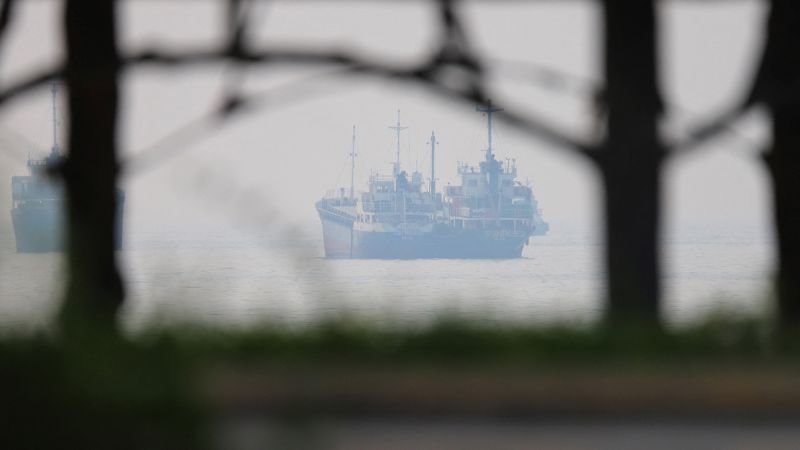
The closure of the Strait of Hormuz in March created a temporary but severe bottleneck, reducing global oil flow by an estimated 20%. This disruption forced countries like Iran, Iraq, and Kuwait to halt production, leaving the market with a critical shortage. The crisis was compounded by the U.S. imposing a blockade on the strait, further tightening the supply chain. While the Middle East had ample oil reserves during this period, their ability to deliver it to international markets was severely limited.
Iran’s operations were among the hardest hit, with production plummeting by 75% in April and May. At its peak, Iran was producing over 4.5 million barrels per day, but this dropped to just over 1 million due to the conflict. Iraq and Kuwait followed a similar pattern, both relying heavily on the strait for their exports. The shutdown not only disrupted supply but also highlighted the fragility of the global oil network, which had been functioning on a delicate balance for years.
The Struggle Over Production Quotas
As the strait starts to reopen, the competition for control over production quotas has reignited. This issue has been a recurring source of tension, with nations vying for the most favorable terms. Iraq, the second-largest producer in OPEC, has emerged as a central figure in this debate. The country’s oil minister recently stated that Iraq must decide whether to stay in the alliance if production targets don’t increase substantially, signaling a potential shift in the cartel’s power dynamics.
“The main drive is financial necessity, as they require additional revenue,” said Jay Hatfield, CEO and founder of Infrastructure Capital Advisors. “If OPEC doesn’t adjust its strategy, it could face a situation where prices drop to $40 a barrel, wiping out profits for many members.”
OPEC’s dilemma centers on balancing short-term supply needs with long-term profitability. If the group decides to increase output aggressively, it risks flooding the market and pushing prices down. However, maintaining tight quotas could lead to higher prices but also strain the alliance’s cohesion. The debate reflects a deeper tension between nations that need to replenish their reserves and those that prioritize stability and profit margins.
Saudi Arabia’s Strategic Position
Saudi Arabia, by far the largest OPEC member, holds the most influence in this standoff. Unlike Iraq and Kuwait, the Saudis were able to sustain production by utilizing alternative routes, such as pipelines to the Red Sea. This allowed them to bypass the strait and maintain a steady flow of oil to global markets, a critical advantage in the current crisis.
While other OPEC nations struggled with reduced exports, Saudi Arabia’s production only dipped by less than 40%, underscoring its resilience. This stability gives the kingdom the leverage to decide the cartel’s future. “Saudi Arabia doesn’t need to maximize output right now,” explained Dan Pickering, founder and chief investment officer at Pickering Energy Partners. “Their ability to ship oil through the Red Sea means they can wait for the market to recover before making moves.”
OPEC+’s Response and Market Implications
On Saturday, OPEC+—a coalition that includes Russia and other non-OPEC producers—agreed to a modest increase in output, raising daily production by just 188,000 barrels. This decision, the fifth incremental adjustment since March, reflects a cautious approach to managing supply. The group has emphasized the need for coordination, especially as demand remains sluggish in key markets like China and Europe.
Global demand had already tumbled during the crisis, with prices surging and fuel shortages creating panic. Even now, the market hasn’t fully rebounded. China and Europe, which accelerated their transition to renewable energy, continue to prioritize electric vehicles and green infrastructure over fossil fuels. This shift could have lasting effects on oil demand, making OPEC’s current strategy more critical than ever.
“The market is facing the risk of a temporary glut as trapped oil finally re-enters a system that has already spent months learning how to function without it,” noted Natasha Kaneva, head of global commodities strategy at JPMorgan.
OPEC’s approach is now a test of its adaptability. The group aims to increase supply gradually while engaging in dialogue with its members to address concerns. However, this strategy hinges on the assumption that demand will rise soon enough to absorb the additional output. If not, the cartel may face a dual challenge: underperforming revenues and a fragmented coalition.
The Road Ahead for OPEC
With global stockpiles of petroleum dropping dramatically—particularly in the United States and China—the world is in need of more oil to replenish its reserves. However, the timing of this recovery is uncertain. “It may never return to pre-war levels, especially in regions undergoing rapid electrification,” observed analysts. This means OPEC’s ability to control prices could be tested in the coming months, as the cartel balances the competing demands of its members.
For now, the fight for OPEC’s future is in full swing. The group’s ability to maintain unity or adapt to new realities will determine its survival. As the Middle East works to restore production, the world watches closely, knowing that the outcome could redefine the global oil market for years to come. The stakes are clear: a decision to maximize output could lead to a price war, while a more measured approach might preserve the cartel’s legacy and profitability in a rapidly changing energy landscape.
