
How Cracker Barrel saved itself
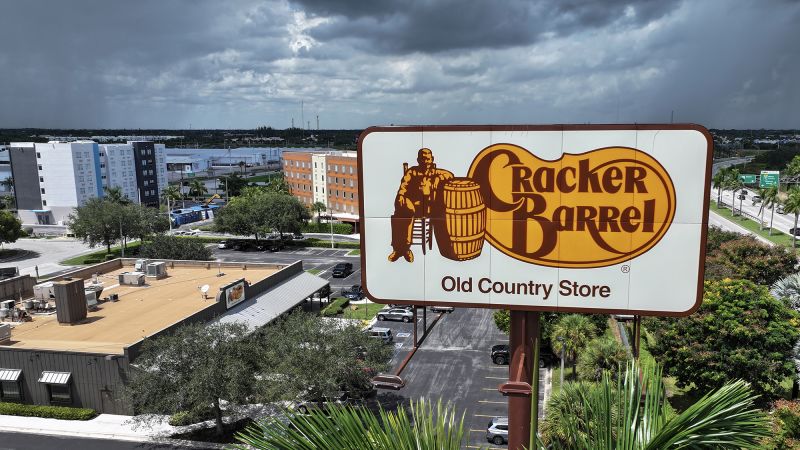
How Cracker Barrel Saved Itself: A Strategic Rebirth of Southern Comfort
A Shift in Strategy
How Cracker Barrel saved itself began with a bold decision to refocus on its heritage. The iconic American diner chain, which has been a staple since 1977, faced a crisis after a recent overhaul of its brand identity alienated loyal customers. CEO Julie Felss Masino candidly acknowledged the setback, calling the brand “fired by America” during a controversial redesign that replaced its traditional dark wooden interiors with a sleek, modern aesthetic. Despite initial skepticism, the chain has since rebounded, with recent financial figures showing a notable increase in revenue and a stock surge that signals a return to stability. This recovery underscores the power of aligning a brand with its core values in an ever-evolving market.
From Rebranding to Reflection
The initial redesign, which included a new logo and a more contemporary layout, aimed to attract a younger demographic while modernizing the dining experience. However, the removal of nostalgic elements like the “old timer” mascot and souvenir-lined walls sparked a wave of criticism. Many customers felt the changes stripped away the Southern charm that had defined Cracker Barrel for decades, leading to a 12% stock decline and a drop in in-store visits. The backlash revealed a deeper emotional connection to the brand’s roots, with diners associating it with childhood memories and cultural identity.
Recognizing the growing discontent, Masino took a step back to reassess the brand’s direction. Her decision to engage with critics during earnings calls and industry forums highlighted a commitment to transparency. In a November interview with conservative radio host Glenn Beck, she emphasized that the redesign’s departure from its historical symbols had disrupted the brand’s emotional resonance. “We didn’t realize how deeply people felt about the logo and the imagery,” she admitted. This reflection became a turning point, paving the way for a more customer-centric approach.
Rebuilding Trust
To mend the rift, Cracker Barrel swiftly reversed course. The company rolled back some of the visual updates, reintroducing the original logo and restoring elements of its rustic design. This move was paired with the dismissal of the marketing agency behind the redesign, signaling a shift toward authenticity. By bringing in a former executive with a proven track record in menu strategy, the chain demonstrated its dedication to honoring its legacy while adapting to contemporary tastes.
Simultaneously, the menu was reimagined to prioritize fan-favorites and budget-friendly options. Value meals under $10, country ham, fried catfish, and the iconic foil-wrapped Campfire Meals were revived, appealing to both traditionalists and new customers. The loyalty program, now boasting nearly 12 million members, played a critical role in driving sales, with participants contributing over 40% of the chain’s revenue. These adjustments not only restored customer confidence but also reinforced How Cracker Barrel saved itself by reconnecting with its foundational identity.
A Cultural Reckoning
The redesign had inadvertently placed Cracker Barrel at the center of a broader cultural debate. Some critics argued that the removal of the “old timer” character—a symbol of the brand since its inception—represented a departure from Southern traditions. Others saw it as a necessary evolution to stay relevant in a competitive landscape. Robert Byrne of Technomic noted that such changes can provoke strong reactions, as consumers often view them as either a celebration of progress or a threat to tradition. Masino’s ability to balance these perspectives has been key to the brand’s resurgence.
As the chain regains its footing, the results speak for themselves. Recent data from R.J. Hottovy of Placer.ai suggests that How Cracker Barrel saved itself has aligned with current dining trends. The combination of nostalgic offerings and value-driven pricing has helped restore customer interest, while the loyalty program continues to act as a cornerstone of the chain’s financial health. Though challenges remain, the brand’s return to authenticity has reignited its relevance and rekindled the loyalty of both longtime patrons and new customers.
