
Trump mused about cutting troops in Europe by a third to send a message to NATO
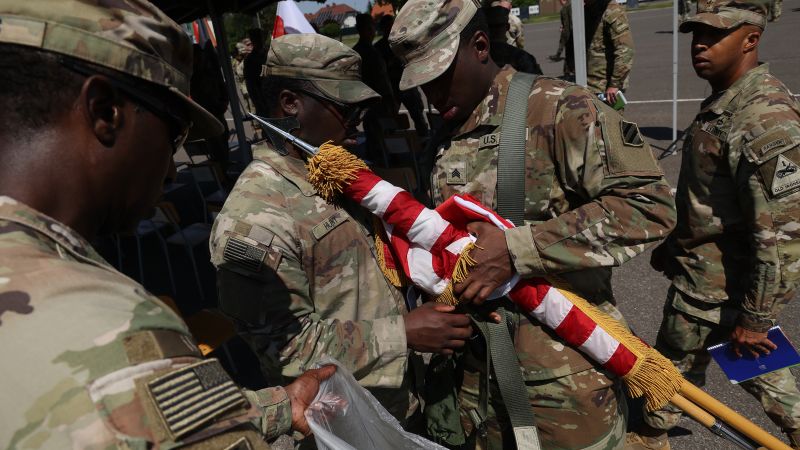
Trump Considers Reducing European Troops by One-Third to Pressure NATO
Trump mused about cutting troops in Europe – During a heated White House meeting in spring 2026, President Donald Trump hinted at potential reductions in U.S. military forces stationed in Europe. The idea, which he pitched as a way to assert control over NATO commitments, suggested a significant shift in U.S. strategy. While the proposal was not formally approved, it ignited discussions about the implications of such a move. Two advisors involved in the meeting confirmed that Trump’s comments were aimed at pushing NATO allies to increase their financial and operational support for U.S. initiatives.
Troop Cuts and NATO Accountability
Trump’s suggestion to cut troops in Europe by one-third was part of a broader strategy to challenge NATO members’ contributions. The administration, under pressure to demonstrate leadership, saw the proposal as a way to highlight the disparity in defense spending. Although the exact number was not finalized, the idea of trimming U.S. forces sparked internal debates about the risks to European security. Defense Secretary Pete Hegseth, who supported the notion, later expressed concerns about the long-term impact of troop reductions on NATO’s readiness.
“This isn’t just about numbers; it’s about showing Europe they need to take more responsibility,” Hegseth stated in a recent briefing, emphasizing the symbolic weight of the plan.
The proposal gained traction as tensions between the U.S. and NATO allies grew. Trump, frustrated by perceived inaction, argued that European nations had not adequately backed his military operations in Iran. His administration’s focus on accountability led to discussions about how troop cuts could serve as leverage. However, concerns remained about the effect on regional stability, with some officials warning that a sudden reduction might weaken NATO’s collective defense posture.
Strategic Shifts and Diplomatic Challenges
As the NATO summit approached, the potential troop reductions became a central topic of discussion. Trump’s team framed the move as necessary to balance the alliance’s obligations. The president’s insistence on cutting troops in Europe highlighted his growing impatience with European partners. While the exact plan was still under review, the administration’s stance signaled a willingness to take bold steps. This shift in tone raised questions about the future of U.S. military presence in the region.
Despite the proposal, European leaders sought to reassure Trump of their commitment. During a June visit to Washington, NATO officials emphasized their support for the U.S. mission in Iran. Yet, the notion of cutting troops in Europe persisted, reflecting a deeper divide in priorities. Trump’s allies, including his ambassador to NATO, Matthew Whitaker, privately acknowledged the risks but supported the message of accountability. The debate underscored the challenge of maintaining unity within the alliance while pursuing strategic goals.
The summit in Ankara, hosted by Turkey’s President Recep Tayyip Erdoğan, became a focal point for these tensions. Trump’s decision to attend, despite his initial reluctance, underscored the importance he placed on the event. His team highlighted the significance of the location, framing it as a strategic advantage. However, the discussions also revealed the president’s desire to use the meeting as a platform for pressuring NATO members to step up their commitments, particularly regarding the troop cuts.
Broader Implications and Alliance Dynamics
Trump’s consideration of cutting troops in Europe extended beyond immediate military adjustments. It reflected a larger pattern of his approach to international alliances, emphasizing unilateral action when he felt cooperation was lacking. The idea of reducing forces by a third was not new, but its timing aligned with a period of heightened discord within NATO. European officials worried that such a move could erode trust and lead to a more fragmented alliance.
While the troop reductions were not yet implemented, they remained a point of contention. Trump’s public criticisms of NATO’s reliability had intensified, with his team amplifying these concerns in diplomatic settings. The proposal to cut troops in Europe was seen as a calculated effort to reinforce his message of accountability. However, some analysts questioned whether the move would strengthen or weaken NATO’s cohesion in the long run.
The broader implications of Trump’s potential troop cuts raised questions about the future of transatlantic relations. Allies like Germany and France, which had previously supported U.S. efforts, now faced the challenge of balancing their commitments to NATO with domestic priorities. The administration’s focus on reducing troops in Europe highlighted a shift in how the U.S. perceived its role in the alliance, with some viewing it as a necessary adjustment and others as a sign of growing frustration.
