
Exclusive: Netanyahu tells CNN he opposes US sale of F-35 jets to Turkey as he downplays divisions with Trump
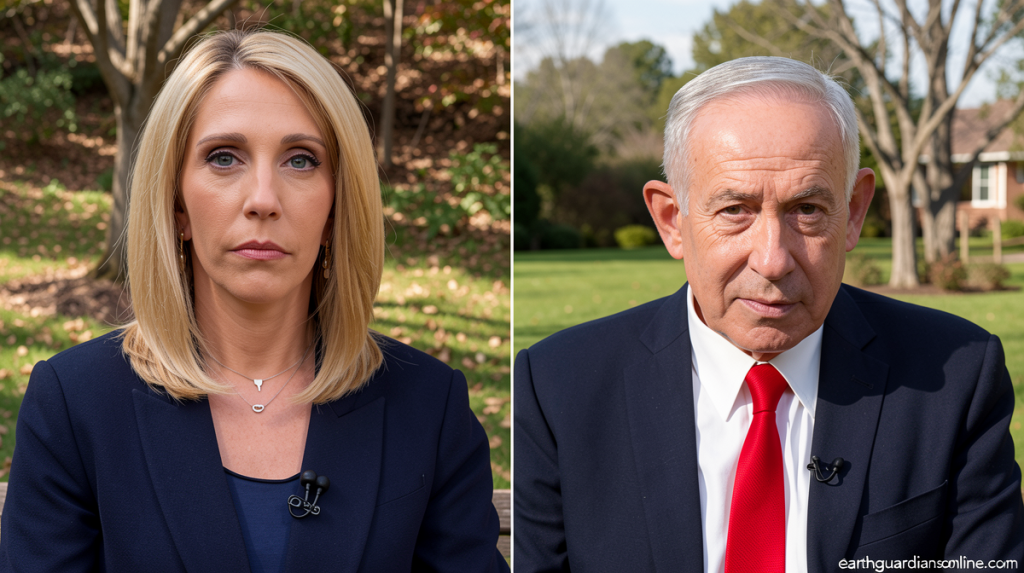
Exclusive: Netanyahu Blocks US F-35 Sale to Turkey Amid Regional Tensions
Israeli Prime Minister Voices Strong Opposition to Turkish Jet Acquisition
Exclusive – In an Exclusive revelation, Israeli Prime Minister Benjamin Netanyahu has firmly stated his opposition to the United States’ potential sale of F-35 stealth fighter jets to Turkey. This diplomatic development comes shortly after President Donald Trump signaled his willingness to approve the controversial military export deal. The Exclusive interview with CNN highlights Netanyahu’s concerns that transferring these advanced combat aircraft to Ankara might not strengthen Turkey’s position as a reliable American ally in the Middle East.
During the Exclusive conversation, the Israeli leader emphasized that while Israel and Turkey maintain diplomatic relations, the transfer of F-35 technology could complicate regional security dynamics. Netanyahu cautioned Washington that providing Turkey with these fifth-generation fighters does not guarantee Turkish cooperation on critical issues. The Exclusive nature of this report reveals details about Netanyahu’s private assessment of Turkish President Recep Tayyip Erdogan’s relationship with American interests.
Exclusive insight from the Israeli Prime Minister: “He’s not exactly a model ally of the United States,” Netanyahu told CNN’s Dana Bash. “He threatens to destroy my country, the one and only Jewish state.”
The Exclusive comments reflect growing friction between Israel and Turkey over multiple fronts. Netanyahu characterized the Turkish government as being influenced by the Muslim Brotherhood, an organization he claims maintains hostile relations with America. In this Exclusive report, the Israeli premier noted that Erdogan represents a significant challenge to Israeli security interests. The Prime Minister’s remarks suggest that Turkish leadership remains unpredictable in its approach to both regional conflicts and bilateral relationships.
Trump’s Position and Broader Geopolitical Implications
According to the Exclusive CNN report, President Trump has shown openness to the F-35 sale despite Netanyahu’s objections. This Exclusive development underscores the complex diplomatic balancing act Washington must perform between its NATO allies. The Exclusive interview provides context for understanding how Trump’s administration weighs Israeli concerns against broader strategic interests in the Mediterranean region.
Turkish Foreign Minister Hakan Fidan recently described Israel as a burden that the international community can no longer accept. This statement, covered in the Exclusive report, prompted strong reactions from Israeli officials. Israel’s foreign minister condemned Fidan’s remarks as incitement toward genocide, while Netanyahu reinforced his position that Turkey’s growing military capabilities could destabilize the region further.
The Exclusive nature of this report reveals that Netanyahu believes granting Turkey additional F-35 aircraft might embolden Ankara to pursue more aggressive policies. Israeli officials worry that enhanced Turkish military power could lead to increased tensions in neighboring countries. This Exclusive analysis suggests that the F-35 sale represents more than a simple weapons transaction—it involves fundamental questions about regional power balances.
Netanyahu’s opposition to the F-35 sale, as detailed in this Exclusive coverage, reflects his broader strategy of maintaining Israeli military superiority in the Middle East. The Exclusive interview also highlights concerns about Turkey’s relationship with various regional actors, including Iran and Russia. Israeli diplomats have been actively communicating these concerns to American counterparts through various channels.
The Exclusive report concludes with Netanyahu expressing confidence that his position will be heard in Washington. While the final decision rests with President Trump, the Exclusive nature of these revelations suggests that Israeli lobbying efforts are intensifying. The outcome of this diplomatic dispute could significantly impact Middle Eastern security architecture for years to come.
