
Pressure mounts on Platner to end Maine Senate bid as Democrat says he’s reflecting on ‘best path forward’
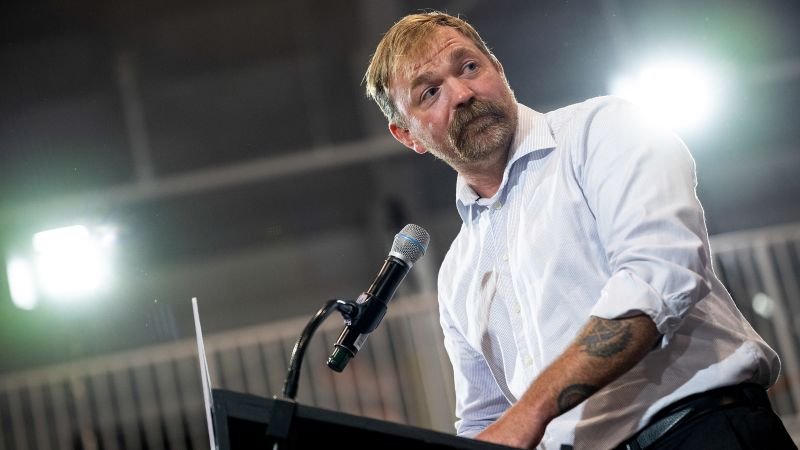
Pressure on Platner to End Maine Senate Bid Intensifies Amid Sexual Assault Claims
Pressure mounts on Platner to end Maine – As the political landscape in Maine evolves, Graham Platner, the Republican Senate candidate, now faces significant pressure to withdraw from the race following new sexual assault allegations. A woman has accused Sen. Susan Collins, the five-term incumbent, of rape in 2021 during a casual relationship while Platner was heavily intoxicated. This revelation has sparked immediate calls from Democratic leaders and supporters to end Platner’s campaign, reshaping the strategy for the November elections. The controversy has left the Democratic Party in a critical decision-making phase, with key figures evaluating the impact of these claims on the race’s prospects.
Allegations and Campaign Impact
The allegations against Platner surfaced late Monday, casting doubt on his candidacy and prompting swift reactions from within the party. According to reports, the woman who came forward told CNN and Politico that she was raped by Platner nearly five years ago. Despite his denials, the timing of the accusations has heightened the debate over his continued participation. The Democratic Senatorial Campaign Committee (DSCC) has expressed hesitation to fund a challenge against Collins unless Platner steps down, signaling a strategic shift in the race’s dynamics.
“These allegations are a major development that demands immediate attention,” stated Chuck Schumer and Sen. Kirsten Gillibrand in a joint statement. “We are committed to supporting a nominee who aligns with our values, and the pressure on Platner to end his bid has never been greater.”
Collins, who has not yet directly addressed the claims, defended her own record, calling the allegations “appalling” but not personally responsible for selecting the Democratic nominee. Her stance highlights the internal conflict within the party, as leaders weigh the ethical implications of the accusations against the need to secure a Senate majority. Meanwhile, Platner’s campaign has seen a noticeable decline in momentum, with key events in Gorham and Sanford either canceled or postponed to manage the crisis.
Democratic Party’s Strategic Response
The pressure on Platner to end his bid has intensified as Democratic leaders unify around the need for accountability. Senators like Elizabeth Warren have withdrawn their endorsements, emphasizing the importance of a clean slate for the party’s candidate. “We must prioritize integrity, and the best path forward is for Platner to step aside and address these serious allegations,” Warren said in a recent statement. This decision reflects a broader strategy to ensure the party’s message remains consistent and compelling heading into the election.
With the pressure on Platner growing, the DSCC has signaled a strategic pivot, potentially redirecting funds to other states where Democratic candidates are more aligned with the party’s values. The Senate Majority PAC echoed this sentiment, stating it would pause its investment in Maine until the situation is resolved. “By removing Platner from the ballot, we can maximize our chances to win this seat and build a stronger campaign for a Democratic majority,” noted Senate Majority PAC spokesperson Lauren French.
Public Perception and Media Influence
The sexual assault allegations have reshaped public perception of Platner’s candidacy, with media coverage amplifying the pressure on him to end his bid. Democratic lawmakers and activists have used platforms like CNN and Politico to highlight the claims, framing them as a pivotal moment for the party’s integrity. While Platner’s team has attempted to downplay the situation, the ongoing scrutiny has forced them to recalibrate their messaging to address the growing concern.
As the pressure mounts on Platner, his campaign has struggled to maintain momentum. Social media activity has waned, and the Democratic National Committee’s ads featuring him are now inactive. This decline underscores the challenges faced by candidates who must navigate personal controversies while maintaining a strong public image. The situation also raises questions about how the race will unfold in the final weeks, with voters increasingly focused on the moral stakes of the election.
