
Monaco bombing attack suspect found shot dead in Ukraine, officials say
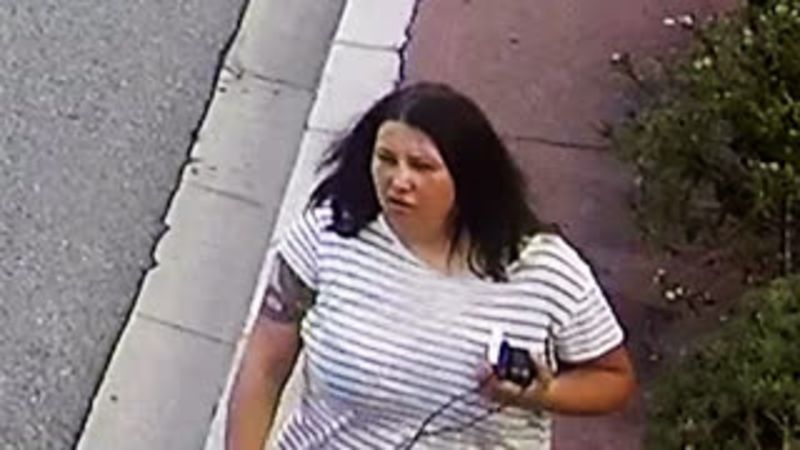
Monaco Bombing Attack Suspect Found Shot Dead in Ukraine, Officials Say
Monaco bombing attack suspect found shot – Ukrainian authorities have unveiled a new layer of complexity in the investigation of last week’s bombing in Monaco, revealing that the primary suspect was discovered shot dead in the country. The incident, which targeted a prominent Ukrainian-born businessman, has now linked the attack to a potential conspiracy involving two individuals detained for their alleged role in the suspect’s murder.
Target and Victims of the Attack
The attack, which occurred in one of Monaco’s most luxurious apartment buildings, injured three people, including the businessman Vadym Yermolaiev, a woman, and a 13-year-old child. While the identities of the woman and child remain unknown, officials confirmed that the injured woman is not Yermolaiev’s wife. His wife, speaking to Ukrainian public broadcaster Suspilne, stated she was not present during the explosion and sustained no injuries.
Monaco’s prosecutor, Stéphane Thibault, previously described the bombing as an “attempted assassination,” marking the first recorded instance of a bomb attack on the city-state’s meticulously monitored streets. The sophistication of the device used suggests multiple perpetrators were involved, according to prosecutors. Yermolaiev, a Ukrainian tycoon, was the direct target of the blast, which detonated in the entranceway of his residence.
Discovery of the Suspect’s Body
On Tuesday, Ukrainian authorities disclosed that Anastasiia Berezovska, the main suspect identified by Interpol, was found dead in a shooting incident. Berezovska, a 39-year-old Ukrainian national, had recently lived in Germany before her return to Ukraine. Police and the Ukrainian Prosecutor’s Office reported that her body was discovered with gunshot wounds to the head and pistol casings nearby, indicating a targeted execution.
The suspect’s death has raised questions about her role in the Monaco attack. Ukrainian National Police stated that Berezovska communicated with her family and the two men suspected of her murder prior to the incident. Investigators noted that the two men had made frequent financial transfers and cryptocurrency payments to her, leading authorities to consider them as potential accomplices in the attack.
Conspiracy and Confessions
Two men were detained in connection with Berezovska’s murder, accused of acting through a “prior conspiracy.” One of them, currently employed by the Ukrainian Defense Ministry’s Main Intelligence Directorate, confessed to the act and claimed the second suspect, a former law enforcement official, was an accomplice. The intelligence officer admitted to operating independently, without informing his superiors about his interactions with Berezovska or the financial transactions tied to her.
During a search of the former law enforcement officer’s residence, authorities uncovered a basement room resembling a torture chamber. This discovery has fueled speculation about the broader network involved in the attack. Prosecutors have emphasized that the investigation is ongoing, with efforts focused on identifying the instigators and other figures connected to the attempted murder of Yermolaiev’s family.
Berezovska was believed to have disguised herself as a man while carrying out the attack, as reported by local officials. A photograph emerged showing her fleeing the scene wearing a black jumper and a black bucket hat, which concealed her hair. She had traveled to France after the blast before driving to Italy in a German-registered rental car, according to prosecutors. This sequence of movements highlights the coordinated nature of the operation.
Context and Implications
The motive behind the attack remains under scrutiny. While the exact reason is unclear, the involvement of intelligence operatives and former law enforcement officials suggests a possible link to organized efforts. Berezovska’s connection to these individuals, as well as her financial activities, points to a motive that may have been tied to her role in the bombing.
CNN has sought comments from Monaco police, the Justice Department, and Interpol to gain further insight into the case. The attack not only underscores the risks posed by individuals operating in disguise but also highlights the cross-border nature of the investigation. As the search for those responsible continues, the incident has intensified pressure on authorities to clarify the web of connections that led to the tragedy.
Berezovska’s death adds a grim twist to the story, with her murder now serving as a critical clue in understanding the attack’s origins. The presence of a torture chamber in the residence of one suspect indicates that the operation may have involved not just planning but also preparation for more severe consequences. This detail has raised concerns about the potential scale of the conspiracy and the involvement of state actors or shadowy organizations.
Authorities are now examining the financial records of the two men to trace their links to Berezovska and the broader network. The discovery of cryptocurrency transactions has drawn attention to the use of digital payments in evading traditional financial oversight. This method of funding aligns with modern tactics used in complex crimes, further complicating the investigation.
As the case unfolds, the focus remains on unraveling the motives and affiliations of those involved. The Monaco bombing, which injured Yermolaiev and others, has become a symbol of the evolving threats to high-profile targets. With the suspect’s body providing physical evidence and the suspects’ confessions offering a narrative, the search for the full truth continues, leaving many questions unanswered.
“The sophistication of the bomb used indicates that more than one perpetrator was involved,” prosecutors stated at the time of the attack. This observation, combined with the discovery of the basement room, suggests a meticulously planned operation that spanned multiple countries and required coordination among individuals with varying backgrounds and roles.
The attack has also prompted a reassessment of Monaco’s security measures. Despite its reputation as a secure and highly surveilled location, the bombing demonstrates that vulnerabilities may exist. Officials have not yet disclosed whether the attack was a one-off event or part of a larger pattern, leaving the public to speculate about its implications.
With the murder of Berezovska and the ongoing investigation into the Monaco bombing, the case continues to captivate international attention. The interplay between personal motives, financial networks, and state involvement adds depth to the narrative, painting a picture of a crime that transcends borders and ordinary criminal activity. As more details emerge, the full scope of the conspiracy may come into focus, potentially reshaping the understanding of the attack’s significance.
