
El-Sayed and Stevens clash over AIPAC and other takeaways from the Michigan Senate debate
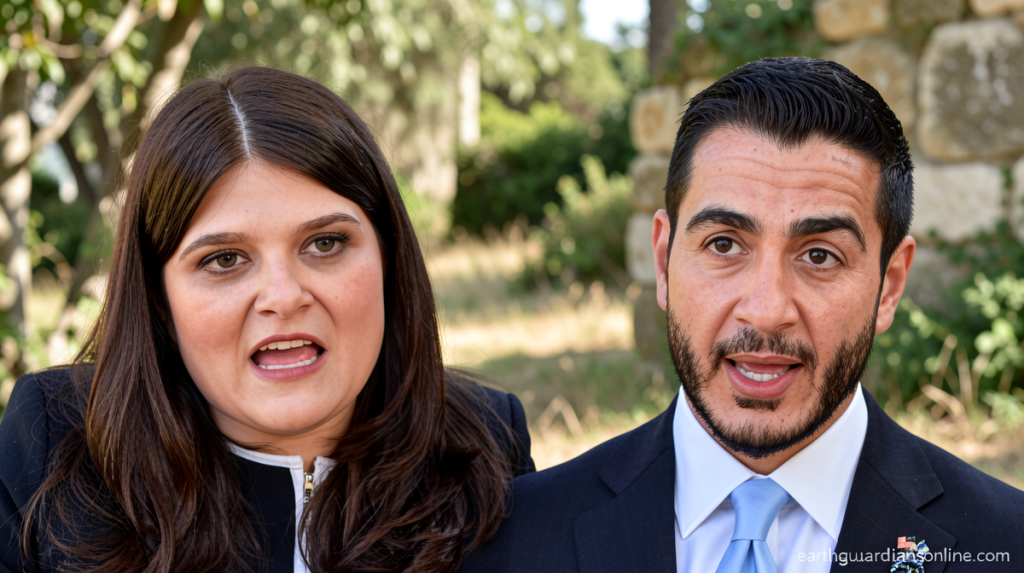
El Sayed and Stevens Clash in Michigan Senate Debate
Key Moments from the Democratic Primary Showdown
El Sayed and Stevens clash over foreign policy and campaign finance during a pivotal Michigan Senate debate Tuesday. The two Democratic contenders offered distinct approaches to representing the state, with Haley Stevens positioning herself as a steady legislative force while Abdul El-Sayed presented himself as a change-oriented outsider. Their debate comes at a critical juncture in the 2026 midterm cycle, as both aim to unseat former Republican Representative Mike Rogers in November’s general election.
The race intensified after state Senator Mallory McMorrow withdrew from the contest on Sunday, setting up a direct August 4 primary matchup. This competition highlights the divide between Michigan’s progressive movement and its establishment wing. As one of the most watched Senate races this cycle, the contest also carries implications for Michigan’s growing influence in national politics, including its expected early role in the 2028 presidential nominating process.
AIPAC Contributions Spark Heated Exchange
Campaign contributions from Israeli organizations became a focal point as El Sayed and Stevens clash over America’s relationship with Israel. The candidates discussed artificial intelligence oversight, trade policy, and various domestic issues throughout the hour-long session. Each contender sought to question the other’s electability while highlighting their own qualifications to represent Michigan in the U.S. Senate.
Stevens stressed the importance of experienced lawmakers over high-profile figures.
“We do not need a celebrity senator. We need a workhorse,”
she emphasized during the debate.
El-Sayed, who has built a public profile through television appearances and podcast appearances, pushed back against the financial resources backing his opponent. He contended that powerful interest groups were spending heavily to defeat him because Stevens tended to align with their positions rather than challenge them.
“If you want your politics dictated to you by AIPAC or Chuck Schumer, then I’m not your guy,”
he declared, pointing to the Senate Democratic leader.
The Michigan contest represents a crucial opportunity for Democrats to gain ground in the Senate. Party strategists need four additional seats to reclaim majority control in the upcoming Congress. Securing the seat currently held by retiring Democratic Senator Gary Peters remains essential to that goal.
When El Sayed and Stevens clash on Israel policy, the debate reveals deeper ideological differences within the Democratic Party. El-Sayed, who has been vocal about criticizing Israel’s military actions in Gaza and tensions with Iran, pressed Stevens on the tens of millions in AIPAC super PAC funding her campaign has received.
“The reason that we’ve seen this war [with Iran] fought is because of the impact of AIPAC in our politics. AIPAC has spent tens of millions of dollars on attack ads against me, or ads lying about the congresswoman’s record. They clearly want one individual, and it’s not me,”
El-Sayed argued.
“They are spending against me because they’ve called me the most dangerous candidate for the US-Israel relationship, because maybe I don’t want to waste our money fighting wars we don’t need.”
Stevens addressed El-Sayed’s concerns directly.
“Well, Abdul, I would say no one is afraid of you,”
she replied. She also defended her voting independence, noting that
“no one owns my vote.”
On the two-state solution, Stevens clarified her stance compared to El-Sayed’s.
“The difference between my opponent and myself on this issue is that I believe in a two-state solution,”
she explained.
“I can say that Israel has a right to peacefully exist alongside the people of Palestine and in Gaza. It is very clear that Mr. Netanyahu has not made us safer, has not brought us closer to peace, and he’s endangered Jews here in America and around the world.”
El-Sayed reiterated his support for equal rights for all parties involved.
“I believe in equal rights to peace, dignity, and security for both Israelis and Palestinians,”
he concluded, emphasizing his commitment to a balanced approach to Middle East policy.
