
Mitch McConnell, Joe Biden and the growing epidemic of politicians hiding health problems
A Growing Trend of Political Health Secrecy
Mitch McConnell Joe Biden and the growing – Following the 2024 presidential election cycle, Americans experienced a moment of reckoning regarding federal leaders concealing crucial medical details. President Joe Biden and his administration faced particular scrutiny for withholding vital health updates from citizens. Yet this pattern of concealment has not diminished; evidence suggests it is actually intensifying. Numerous prominent government figures appear to have decided that voters do not deserve fundamental explanations for extended periods away from their duties. Their teams consistently shield them from public questioning.
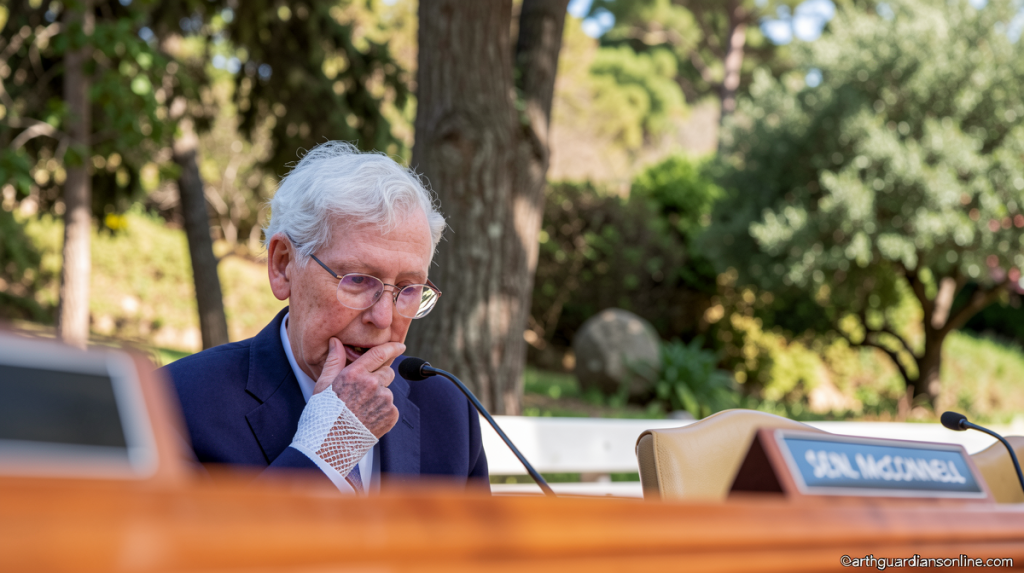
Recently, Republican Representative Tom Kean of New Jersey came back to the House chamber after an absence exceeding one hundred days without providing any initial reasoning. He eventually attributed his time away to depression. Meanwhile, mounting curiosity surrounds the enigmatic, multi-week disappearance of Republican Senator Mitch McConnell from Kentucky. The ex-Senate majority leader has not appeared in the chamber since his admission to a hospital on June 14. Despite repeated inquiries, including one from CNN on Tuesday, his representatives refused to disclose the reason for his hospital stay.
“Senator McConnell appreciates the outpouring of support he’s receiving while he continues his recovery in the hospital,” his office stated, repeating the identical message originally issued the previous week. “The senator continues to improve and is working closely with his staff on Kentucky and Senate matters while the Senate is out of session.”
Information beyond this generic statement remains scarce. An independent journalist obtained emergency medical services audio recording a “cardiac arrest” incident at McConnell’s Washington, DC residence on the day of his hospitalization. The recording mentioned an unconscious individual. However, McConnell’s team has not confirmed whether this emergency involved the eighty-four-year-old senator, who has previously experienced public medical episodes such as freezing while facing reporters.
Senate Majority Leader John Thune announced on June 15 that he had conversed with McConnell and expressed optimism about his return within days. Three weeks have passed since then without any resolution or clarification from McConnell’s office. This lack of transparency has prompted even certain conservative supporters to voice frustration and call for greater openness, while alternative theories circulate widely. Interestingly, some of McConnell’s fellow senators seem equally uninformed. When responding to a question about why colleagues remained silent regarding McConnell’s situation, Republican Senator Mike Lee of Utah explained that silence existed “because we know nothing about his condition.”
On Tuesday, both Thune and Senate Whip John Barrasso released separate statements through their spokespeople indicating they had telephone conversations with the Kentucky senator that week. They described these talks as “substantive” and “lengthy,” yet neither statement mentioned McConnell’s medical status. Additionally, Scott Jennings, a CNN senior political commentator and McConnell ally, shared on X that he also spoke with the senator that day covering various subjects. He omitted any reference to McConnell’s health as well.
Before Kean and McConnell, another case emerged involving Republican Representative Neal Dunn of Florida. Although Dunn’s absence was not prolonged, speculation spread regarding a significant medical issue. During a March White House gathering, President Trump revealed that Dunn had confronted a “terminal” illness and would likely have “died by June” before the president stepped in to facilitate a stent procedure. House Speaker Mike Johnson remarked at the time, “OK, that wasn’t public. But yeah, OK. It was grim.” Dunn confirmed receiving Trump’s assistance but refused to provide further details about his ailment. Like McConnell, Dunn has been absent from Congress since mid-June, with his office declining to address local media inquiries.
Furthermore, in December 2024, it became known that former Texas Republican Representative Kay Granger’s extended absence prior to retirement was primarily spent at a local memory care and assisted-living facility. Her son characterized her condition as dementia, yet Granger’s office never made this information public. Several months earlier, Biden’s choice to conceal his worsening health while seeking reelection had dramatically altered the 2024 presidential contest, as thoroughly chronicled by CNN’s Jake Tapper and Axios’ Alex Thompson in their publication “Original Sin.” Former first lady Jill Biden recently admitted she feared Biden might be experiencing a stroke during his poorly received debate appearance, despite publicly defending him at that moment.
Throughout his political career, President Donald Trump has maintained ambiguity concerning his personal health. Similarly, during late 2023 and early 2024, then-Defense Secretary Lloyd Austin’s mysterious absences—later clarified as prostate cancer treatments—further illustrated this broader pattern of political health secrecy affecting American governance.
