
Trump is playing with economic fire by calling the peace deal with Iran ‘over’
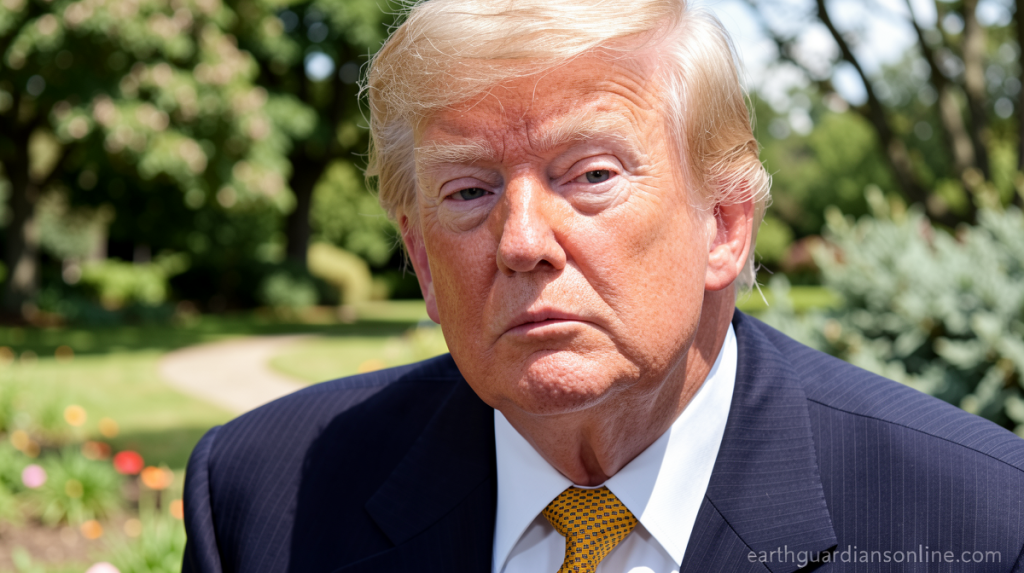
Trump Is Playing With Economic Fire Over Iran Deal
A Fragile Peace Takes Shape
Trump is playing with economic fire as President Donald Trump declared the peace agreement with Iran “over,” sending markets into uncertainty. The three-week respite following the June 18 Memorandum of Understanding had allowed crude prices to fall below pre-conflict levels. The Strait of Hormuz reopened, enabling petroleum to flow once more from the Persian Gulf. Consumer fuel costs began their gradual descent toward normalcy. Yet this brief window proved inadequate to address the most severe supply disruption in modern history. Emergency reserves and commercial holdings require more time to replenish. Trump had warned that prolonged disruption could trigger an “economic catastrophe” comparable to the Depression era. Now, uncertainty returns as the president announced plans to reinstitute America’s naval blockade on Wednesday.
Stockpile Concerns Deepen
Andy Lipow of Lipow Oil Associates calculated that approximately 200 million barrels of petroleum exited the Strait of Hormuz during this three-week period. This volume equals two full days of global consumption. However, a critical detail emerges: roughly 60 million barrels came directly from Iran. The Trump administration reimposed sanctions on Iranian petroleum on Tuesday, granting purchasers a ten-day grace period. Maritime costs reflect the ongoing risk. Shipping oil from beyond the strait to Asian markets costs between four and five million dollars per tanker. Securing vessels from within the strait doubles that expense to eight to ten million dollars. Maritime traffic has maintained only one-third of historical norms. Reuters reported that at least four tankers reversed course this morning, yet transits continue.
Market Indicators Signal Caution
Oil prices have climbed sharply yet remain below their post-MOU peak. Brent crude futures traded just beneath seventy-eight dollars, marking a four percent increase and their highest valuation since the agreement. Market behavior suggests reduced confidence in strait accessibility despite continued flows. The Strategic Petroleum Reserve has experienced substantial depletion since hostilities began. Current holdings stand at 319.5 million barrels, representing a twenty-three percent decline from pre-war levels. This marks the lowest point since the Reagan administration initiated stockpiling in 1983. Commercial inventories present equally concerning conditions. Cushing, Oklahoma—the nation’s pipeline nexus—maintains levels below operational stress thresholds. While last week saw a recovery of approximately 700,000 barrels, total inventories remain under twenty million barrels.
Investor Sentiment Shifts
Trump emphasized these vulnerabilities during a late June G7 gathering: “I didn’t want to see economic catastrophe. If you kept this going, that could have happened.” Investor sentiment reflected caution across multiple sectors. American equities showed minimal reaction at opening, but bond markets responded decisively. The ten-year US Treasury yield climbed to 4.57 percent, reaching its highest point since late May when petroleum prices peaked during wartime. Throughout his second term, Trump has demonstrated particular sensitivity to bond market movements when yields become volatile. A renewed closure of the strait would deliver an immediate blow to American economic stability. The question remains whether this latest military exchange represents a temporary fluctuation or signals a return to comprehensive hostilities.
“I didn’t want to see economic catastrophe. If you kept this going, that could have happened.” — President Trump, late June G7 gathering
What Comes Next
The economic implications of declaring the Iran peace deal “over” extend far beyond immediate market reactions. Energy markets had begun stabilizing, with petroleum flowing more freely through the Strait of Hormuz. The reopening allowed crude prices to plummet beneath their pre-conflict baseline. Yet the Trump administration’s decision to reimpose sanctions creates new pressures. Commercial vessels continue navigating the waterway at their own peril. With the Strategic Petroleum Reserve at its lowest level since 1983, the United States faces exposure to either severe weather events or another complete strait closure. The ten-day grace period for Iranian petroleum purchasers adds another layer of complexity. As markets digest this development, the question persists: is Trump playing with economic fire by reversing course on a fragile peace?
