
Bipartisan senators announce agreement with Trump administration on Russia sanctions
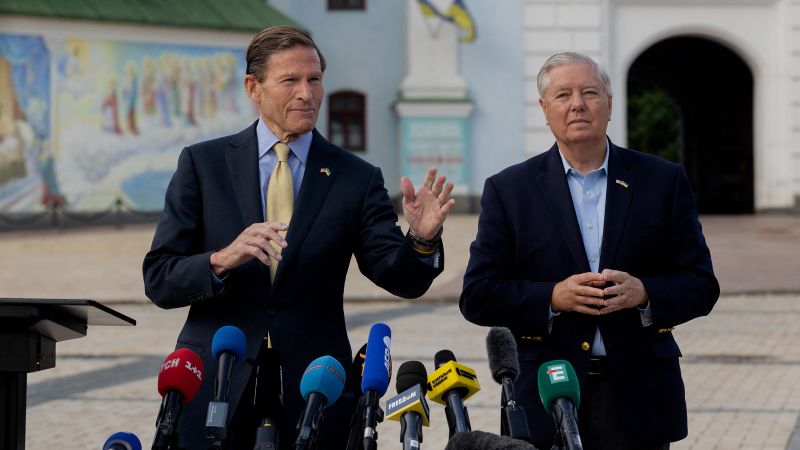
Senators and Trump Administration Reach Understanding on Russia Sanctions Framework
Bipartisan senators announce agreement with Trump – A coalition of senators from both political parties has secured a preliminary understanding with the Trump White House to advance an enhanced sanctions regime targeting Russia. While this development marks meaningful progress, uncertainty persists regarding whether President Donald Trump will personally endorse the legislative measure when it reaches a vote. The proposed framework empowers the president to impose substantial import duties on nations that purchase Russian energy resources, including petroleum, uranium, and natural gas. Certain countries may receive exemptions if they actively support Ukraine’s military efforts against Russian aggression.
Key Players and Historical Context
Republican Senator Lindsey Graham and Democratic Senator Richard Blumenthal have championed this initiative for multiple years, building substantial cross-party momentum. During the previous summer, both lawmakers vigorously advocated for the sanctions package. President Trump demonstrated receptiveness to the concept while voicing dissatisfaction with Russian President Vladimir Putin’s approach to diplomatic negotiations. Despite this positive signal, the administration refrained from formally endorsing the legislation.
On Friday, Graham and Blumenthal joined forces with Senate Armed Services Chairman Roger Wicker and Senate Foreign Relations Ranking Member Jeanne Shaheen to publicly declare their achievement. The senators issued a joint statement emphasizing their satisfaction with the breakthrough:
We are proud to announce that we have reached an agreement with the Trump Administration to move our updated Russia sanctions legislation forward. We are very pleased with this significant progress and expect to roll out the legislation very soon.
International Reactions and Legislative Hurdles
Senator Graham’s diplomatic activities extended beyond Washington on Friday when he traveled to Kyiv to meet with Ukrainian President Volodymyr Zelensky. Following their discussion, Zelensky shared his perspective on social media regarding the importance of coordinated international pressure:
Right now, it is important to strengthen our long-range sanction pressure on Russia with new sanction steps from our partners. Lindsey informed me about the work in Congress on the relevant bill.
The bipartisan coalition behind the sanctions legislation has accumulated considerable support, with more than eighty senators from both parties cosponsoring the measure. Nevertheless, Senate Majority Leader John Thune has emphasized that the chamber will await clear direction from the White House before scheduling a floor vote. This cautious approach contrasts with earlier statements from Senator Graham suggesting the administration already approves of the legislation. CNN has contacted Thune’s office seeking additional clarification on the timeline.
Timing and Broader Geopolitical Developments
The legislative calendar presents additional challenges for the sanctions package. The Senate faces multiple critical deadlines, including the annual defense authorization bill and a government funding expiration. With midterm elections approaching and only a limited number of weeks remaining in the current session, lawmakers must prioritize competing priorities. The sanctions agreement arrives shortly after President Trump permitted Ukraine to construct Patriot defense missile batteries—a capability that Kyiv urgently requires as Russian military operations continue. This unexpected announcement emerged during the NATO summit held in Turkey, even though Ukrainian officials had been pursuing this objective for several years. Observers noted preliminary signs that a resolution might be imminent.
During the announcement, President Zelensky sat beside President Trump and appeared visibly moved by the development. The two leaders have experienced a complicated relationship, and heightened tensions related to the conflict in Iran had apparently affected Trump’s disposition prior to their meeting. CNN reporters Alison Main and Ivana Kottasová contributed to this coverage.
