
This summer ski destination in the Andes isn’t getting enough snow
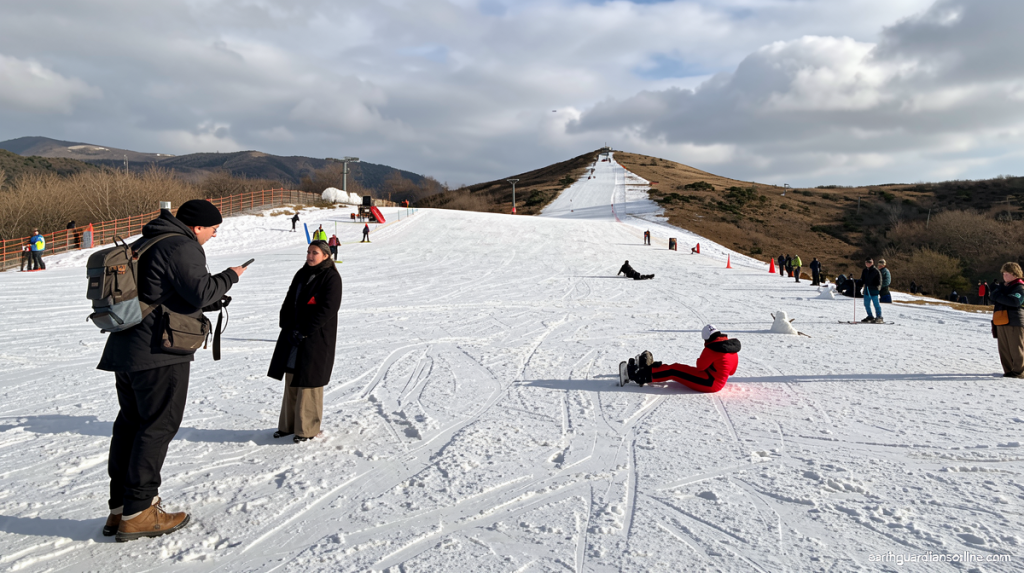
Andean Winter Haven Faces Unprecedented Snow Deficit
This summer ski destination in the Andes – For decades, the iconic view of Santiago nestled beneath snow-capped Andean peaks has defined Chile’s winter tourism appeal. Yet those quintessential postcard scenes now appear increasingly distant, as a prolonged drought has severely diminished the mountain snowpack. The Chilean Ski Resorts Association reports that metropolitan ski areas have been forced to close up to ninety percent of their slopes, creating an unprecedented situation for a destination that has long thrived on reliable winter conditions.
Economic Stakes Rise as Snow Disappears
The financial implications of this snow shortage extend far beyond the ski slopes themselves. During the 2025 season, the region attracted over 1.24 million visitors to its mountain resorts, generating a direct economic contribution of 283 million US dollars. Foreign travelers accounted for 228 million of that total, demonstrating the international appeal of Chile’s southern hemisphere winter destination. With June through August serving as the country’s cold season, American tourists have traditionally flocked here to escape North America’s summer heat while enjoying world-class skiing.
However, this reputation faces potential erosion. Climate change is widely considered a contributing factor to the declining precipitation patterns, prompting officials to explore alternative strategies for maintaining tourism revenue in the coming decades.
Weather Patterns Signal Concerning Trends
Arnaldo Zúñiga, a meteorologist and spokesperson for Chile’s Meteorological Directorate, emphasized the severity of the current situation.
It is not normal. We are very much behind.
During the most recent snowfall event on June 21, the mountains received only twenty-four centimeters of precipitation. According to Zúñiga, this represents nearly a sixty percent deficit compared to typical mountain conditions. The meteorologist warned that broader climate indicators point toward continued precipitation declines.
Unfortunately, the trends that mark climate change indicate that we are indeed headed for a decrease in precipitation. And if it rains less, less snow also falls.
Adaptation and Innovation Take Center Stage
While natural snowfall remains insufficient, ski operations have not come to a complete halt. Michael Leatherbee, president of ACESKI, highlighted the industry’s proactive approach to technological advancement.
Over the last 15 years we have invested in systems and technologies to make snow.
Through artificial snow production, visitors can still access panoramic chairlifts, participate in ski instruction, and dine at mountain restaurants. These services continue operating, albeit at reduced capacity compared to optimal years when slopes would be fully covered in natural snow.
Looking Toward Four-Season Tourism
Chilean government officials are actively promoting a transition toward year-round mountain activities. María Paz Lagos, Chile’s Undersecretary of Tourism, outlined this vision for diversification.
Four-season tourism, where there is activity in the mountains throughout the year.
This strategy encompasses nature excursions, hiking trails, wellness programs, and culinary festivals—activities that function independently of snowfall conditions. Lagos emphasized the employment significance of this transition.
Just the ski season alone generates about 18,000 jobs, and we want that contribution to the development of the regions to continue growing.
Short-Term Weather Relief Expected
There is cautious optimism for the immediate future. The Meteorological Directorate anticipates that a southern atmospheric front arriving this weekend may deliver precipitation to higher elevations. Zúñiga described the expected conditions.
This front begins on Sunday and is colder. I think we can have high hopes that, while it will rain initially, we could then get snow in the higher sectors, above 2,500 meters.
While this weather system offers temporary relief, the broader challenge remains clear: Chile’s beloved ski destination must adapt to a changing climate while preserving the economic benefits that winter tourism provides to local communities and the national economy.
