
Populist politicians on the right and left take a page out of Donald Trump’s playbook
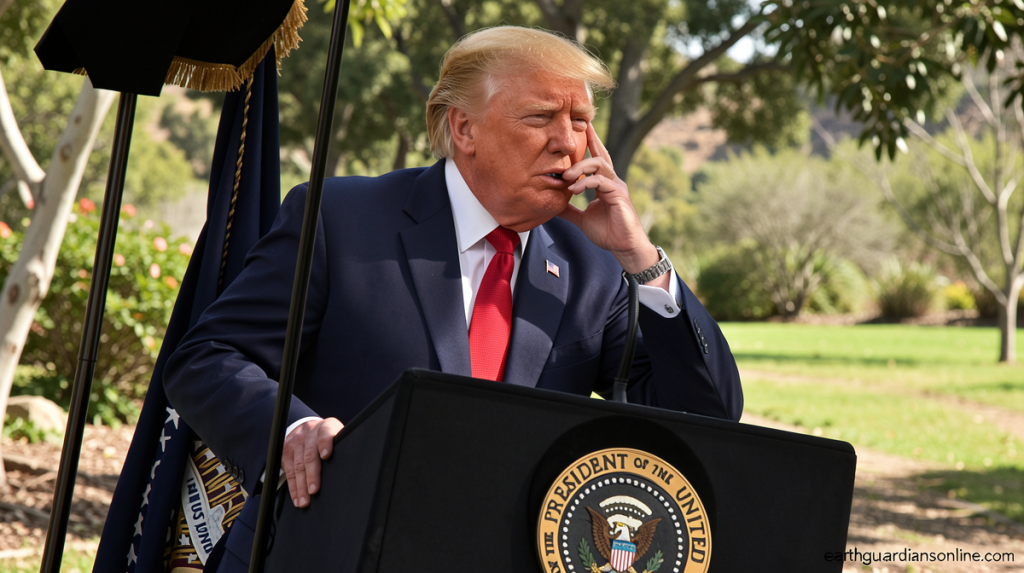
Populist Politicians on the Right Follow Trump’s Playbook
Populist politicians on the right and left are increasingly adopting strategies pioneered by Donald Trump, discovering that personal scandals often strengthen rather than weaken their political standing. Rather than damaging their careers, allegations of misconduct frequently serve as confirmation of their core narrative: that powerful elites conspire to silence voices challenging the established order. This week’s events across multiple nations demonstrate how politicians are asking themselves what Trump would do when facing adversity.
Transatlantic Populist Crises Turn Into Political Opportunities
In Maine, Graham Platner, a former Democratic candidate for the Senate, attributed the downfall of his political campaign to distant party leaders who allegedly plotted against his progressive agenda. His campaign collapsed following accusations of sexual assault and dating violence—charges that Platner maintains are false. Rather than accepting responsibility, he framed the situation as an attack orchestrated by conservative party elders determined to destroy his movement. Meanwhile, in Britain, Nigel Farage stepped down from his parliamentary position while addressing concerns regarding his personal financial arrangements. The Brexit campaign leader characterized these inquiries as a calculated maneuver by the political establishment designed to undermine him. Farage plans to let voters decide his fate through a special election that has taken on an unusual character, given that one of his potential opponents may be a candidate dressed entirely as a garbage container.
Le Pen’s Ankle Monitor Becomes Symbol of Populist Perseverance
France’s Marine Le Pen announced her intention to seek the presidency next year while wearing an ankle monitor. Her announcement came after an appeals court upheld her conviction in a case involving the National Rally party and eleven senior members. These individuals were found guilty of misappropriating millions of euros in public money to compensate party workers stationed in France. Echoing Trump’s defensive posture, Le Pen described the legal proceedings as a “chasse aux sorcières”—a witch hunt conducted by state authorities seeking to eliminate her politically. The populist interpretation suggests that personal difficulties actually validate their broader argument: that radical political transformation threatens entrenched power structures so profoundly that official forces will employ any means necessary to prevent it.
The Populist Victimhood Narrative
Perhaps most significantly, populist leaders have learned that accusations of impropriety can enhance rather than diminish their public image. Being labeled as a rule-breaker sometimes strengthens their appeal to voters who feel disconnected from traditional politics. This is not to suggest that these leaders have ignored genuine political grievances during a period of worldwide uncertainty. Trump articulated his populist philosophy most clearly during his January 2017 inaugural address, delivered while surrounded by representatives of America’s political, legal, economic, and national security establishments.
“For too long, a small group in our nation’s capital has reaped the rewards of government while the people have borne the cost,” he declared. “Washington flourished — but the people did not share in its wealth. Politicians prospered — but the jobs left, and the factories closed.”
Every contemporary populist draws upon this wellspring of public dissatisfaction, contending that internationalist forces have cultivated a new tier of wealthy elites who manipulate systems to their advantage.
Left and Right Populism Converge
On the right, Le Pen, Trump, and Farage have all capitalized on public resentment regarding immigration patterns. These three figures expanded their political movements over many years, demonstrating keen awareness of how insurgent themes resonate when traditional governments falter. Democrats now anticipate finding a successor to Vermont independent Senator Bernie Sanders, who employed populist economic messaging during two failed presidential bids that nonetheless cultivated a passionate progressive base. Platner appeared positioned to represent a new generation capable of spearheading left-wing anti-establishment efforts, though his prospects dimmed considerably after withdrawing from the Maine Senate contest. He initially gained traction by articulating activist frustrations with moderate party officials, simultaneously igniting discussions about whether Democratic politics might experience a Trump-style transformation. The populist surge initiated by Britain’s 2016 decision to exit the European Union—diminished following Trump’s 2020 electoral loss—has now reemerged with renewed vigor across the Atlantic.
