
Rubio vows to ‘dismantle’ International Criminal Court
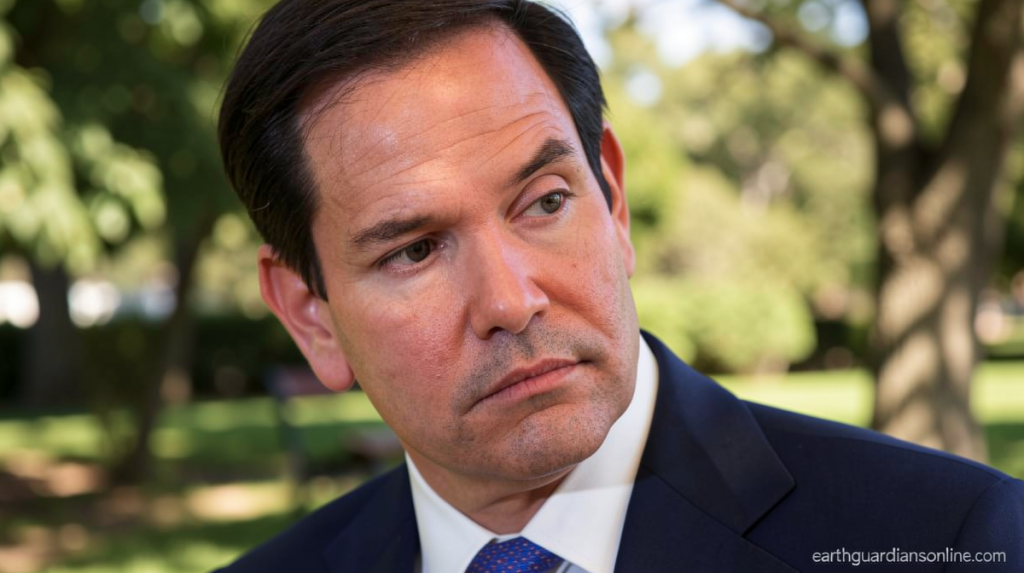
Rubio Pledges to Tear Down International Criminal Court Through Global Diplomatic Push
A Coordinated Campaign Against the Hague Institution
Rubio vows to dismantle International Criminal – United States Secretary of State Marco Rubio announced on Monday that his administration would pursue an aggressive strategy to dismantle the International Criminal Court, calling on allied nations worldwide to participate in this effort. This declaration marks a significant escalation in the Trump administration’s ongoing campaign against the global judicial body, which has been building momentum since the first Trump presidency.
Rubio characterized the ICC’s actions as an implicit conflict directed at American interests, noting that the court was “waging a war against our country, not with bullets or missiles,” but rather through “the force of so-called international law.” This framing positions the court’s legal proceedings as an adversarial challenge to U.S. sovereignty rather than routine judicial oversight.
The administration’s frustration with the Hague-based institution traces back to President Donald Trump’s initial term in office, when the United States opposed the ICC’s efforts to examine alleged war crimes committed by American military personnel during operations in Afghanistan. That early confrontation established a pattern of tension that has only intensified under the current administration.
Expanding Sanctions and Diplomatic Pressure
During the second Trump administration, the United States has implemented numerous sanctions targeting ICC officials who pursued investigations involving both American and Israeli interests. However, the State Department’s newly announced “whole-of-government campaign” represents a more comprehensive approach, particularly through its strategy to compel international participation while threatening reductions in American assistance for non-compliant nations.
“Nations that refuse to reject the ICC’s false authority while relying on US assistance are likely to come under increased scrutiny,” a State Department official explained on Monday. This statement underscores the conditional nature of American support, suggesting that alignment with U.S. positions on the ICC has become a prerequisite for continued financial and diplomatic engagement.
Rubio articulated this vision in a Wall Street Journal opinion piece published on Monday, writing: “Using all the tools at our government’s disposal, working beside every ally with whom we can make common cause, we will dismantle the ICC—brick by brick, if necessary.” The official toolkit encompasses potential travel restrictions, visa cancellations, and expanded sanctions regimes.
Targeting Countries with American Ties
The diplomatic campaign specifically focuses on nations with existing relationships to the United States. According to the State Department official, countries “that partner with US law enforcement, host a US military presence, or benefit from the broader US security umbrella are being called upon to reject the ICC’s purported authority to prosecute American officials and servicemen.” This selective approach targets nations most vulnerable to American economic and diplomatic leverage.
“We will watch with interest which nations join ranks with us against this threat to Americans who are willing to risk their lives to protect others,” the official added, framing the issue as one of mutual security interests rather than purely legal concerns.
Senior American officials, including the secretary of state, deputy secretary, and U.S. ambassadors stationed abroad, are personally contacting foreign counterparts as part of this initiative to diplomatically isolate the International Criminal Court and prevent it from pursuing cases against American citizens. These communications aim to persuade ICC member states to withdraw from the treaty and eliminate financial contributions to the institution.
Controversial Claims and International Response
In his Wall Street Journal commentary, Rubio portrayed the ICC as “backed and run by a powerful network of leftist nongovernment organizations, smug globalists, and hostile Third World governments united by their enmity toward the U.S.” This characterization reflects the administration’s broader narrative about international institutions being driven by ideological opposition to American policies.
Rubio dismissed criticisms from external organizations regarding the administration’s deportation operations to El Salvador and controversial maritime strikes against suspected narco-terrorists, which he argued did not violate international legal standards. He also rejected a request from Democracy for the Arab World Now (DAWN) for the ICC to examine alleged war crimes committed by the United States in Iran, though he acknowledged such actions might potentially trigger court investigations.
Omar Shakir, DAWN’s executive director, responded to CNN that Rubio had misrepresented the organization’s position, clarifying that their “call to investigate all possible war crimes carried out in the war” was broader than the secretary suggested. Shakir posed a pointed question: “does Secretary Rubio believe US personnel should be investigated for war crimes in Iran?”
“History will judge governments on whether they defended the institutions designed to safeguard international law,” Shakir concluded. “It is not the ICC that Rubio is dismantling brick by brick—but the rules-based international order that grew out of the ashes of World War II.”
CNN has contacted the International Criminal Court for an official response to these developments. CNN’s Sana Noor Haq contributed reporting to this article. This story has been updated with additional details.
