
Dangerous smoke from Canadian wildfires moves into the Great Lakes and Northeast
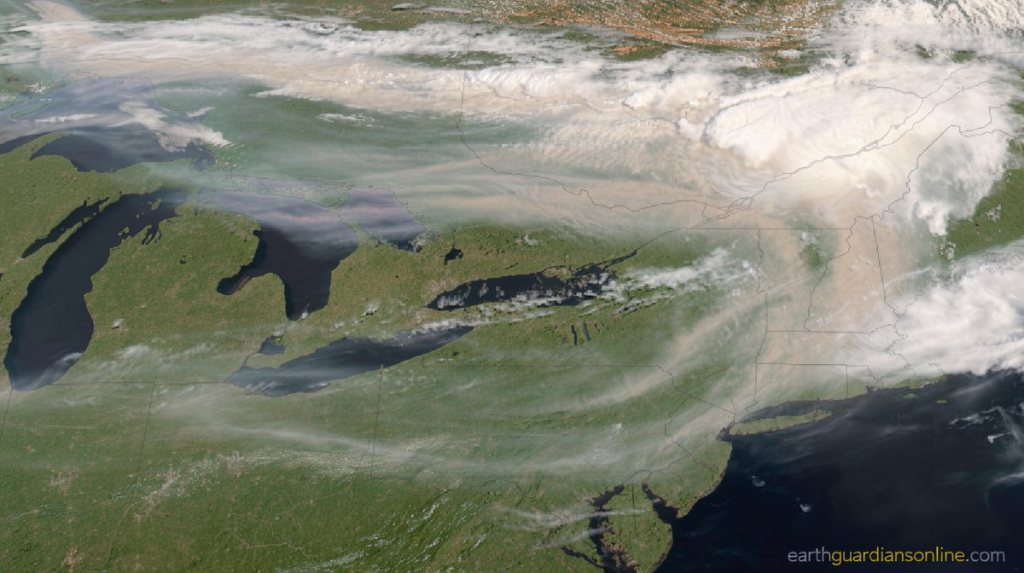
Dangerous Smoke from Canadian Wildfires Reaches Northeast
Dangerous smoke from Canadian wildfires moves – Dangerous smoke from Canadian wildfires is moving into the Great Lakes and Northeast regions, affecting air quality for millions of Americans. Thick plumes originating from fires in Ontario are drifting southward, creating concerns for residents across the Midwest and Northeast. While domestic wildfires have burned over 3.6 million acres in the western United States this summer, the smoke now enveloping eastern cities like New York and Washington, DC comes from the north. More than 100 million people may experience reduced air quality as this smoke wave advances.
Canadian Fire Activity and Weather Patterns
Canada has experienced significant wildfire activity this season, with more than 3,000 fires consuming nearly 4.5 million acres. Twelve major blazes ignited in Ontario during recent weeks, generating substantial smoke that travels southward. This situation mirrors the extreme conditions of 2023, though current activity levels are somewhat lower. A heat dome positioned over the central United States is helping push smoke toward populated areas. Climate scientists note that fossil fuel pollution increases the likelihood of extended smoke seasons becoming the new normal rather than rare occurrences.
The atmospheric setup driving this year’s smoke migration involves a record-breaking heat dome over the central portion of the country. Air circulates clockwise around high-pressure systems, and this week’s configuration places the northern edge directly over northern Minnesota and southern Ontario—precisely where wildfires are actively burning. This arrangement creates favorable conditions for smoke to travel into the United States and affect major metropolitan areas.
Health Impacts and Air Quality Concerns
Wildfire smoke contains hazardous PM2.5 particles that penetrate deeply into lung tissue and can enter the bloodstream when inhaled. Health experts warn that exposure may trigger respiratory conditions such as bronchitis and generate inflammation that worsens diabetes, cardiovascular disease, and other medical conditions. The National Weather Service has issued alerts for Michigan, Minnesota, and Wisconsin, while also cautioning that Chicago may experience deteriorating air quality later this week.
Vulnerable populations face heightened risks from smoke exposure. Individuals with preexisting lung or heart conditions, children, and elderly adults are particularly susceptible to smoke-related illnesses. The NWS recommends that people minimize outdoor activities and keep windows sealed during nighttime hours to reduce exposure. Smell smoke this morning? Its coming from a wildfire outbreak in Ontario. While it should not impact air quality much today, smoke at the surface could increase Wednesday into Thursday, potentially reducing visibilities and air quality. High temperatures may also be limited.
Historical Context and What to Expect
Three years ago, Canada experienced unprecedented wildfire activity. By that time, 4,300 fires had already consumed 25 million acres across the country. During June 2023, smoke enveloped the New York City skyline as northerly winds transported a massive wall of wildfire smoke from Quebec into the metropolitan area. Two primary atmospheric systems drove that event: a dominant high-pressure system over Hudson Bay and a storm system positioned over Atlantic Canada. Together, these stagnant systems funneled smoke into the Midwest and Northeast, maintaining conditions for approximately four days.
A study published last year estimated that more than 350 million people experienced daily wildfire smoke-induced air pollution during the 2023 event. Fortunately, Canadian wildfire activity began later this year compared to that record-setting season, suggesting this year’s smoke may not be as widespread. The smoke currently streaming into the United States has largely remained elevated in the atmosphere, meaning it has not dramatically reduced air quality or created significant health concerns. However, an impending weather pattern shift will cause lingering smoke and additional plumes to descend to the surface on Wednesday and Thursday.
The only positive aspect of this smoke invasion is its potential to moderate temperatures. Smoke particles block sunlight, which could provide relief for northeastern regions anticipating high temperatures in the coming days. With several months remaining in the wildfire season, additional Canadian smoke plumes may continue migrating southward into American communities.
