
The bugs are getting worse
The Insect Menace: Why Bugs Are Becoming a Growing Health Threat
The bugs are getting worse – It is easy to accidentally absorb too much information about insects. Yet we must pay attention, because these creatures are expanding their territories, developing novel methods to bother us, and generally reducing our quality of life. Consider the common housefly: these pests flourish in elevated temperatures and serve as mechanical vectors for illness—a term entomologists use to describe insects that physically carry pathogens. They traverse refuse piles and subsequently visit kitchen surfaces, depositing salmonella and numerous other microorganisms alongside their minuscule footprints.
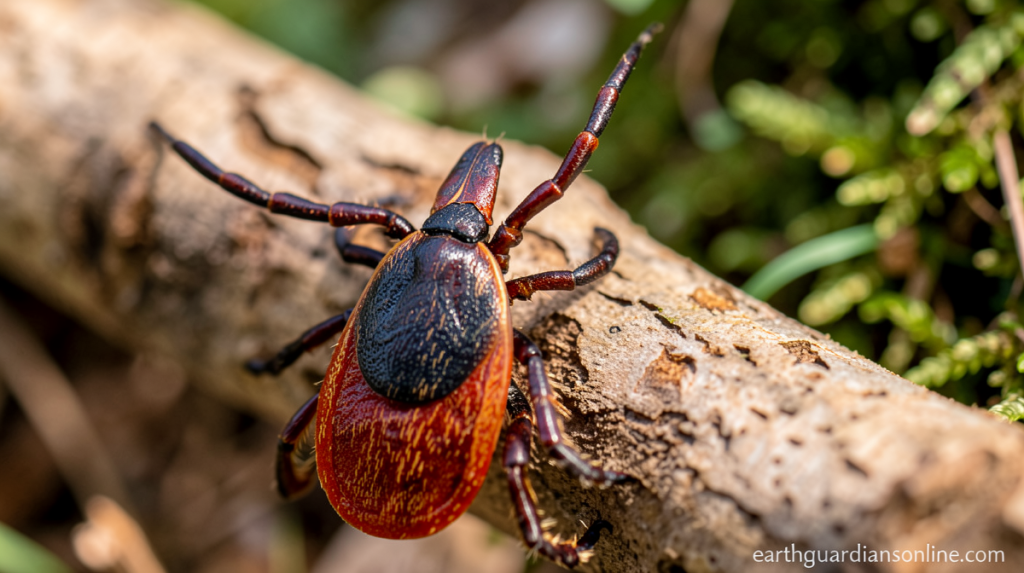
Then there are the longhorned ticks, which arrived on American soil in 2017 and possess the remarkable ability to reproduce asexually. Female specimens essentially create copies of themselves, producing thousands of offspring without mating. Male ticks appear only occasionally, likely through random genetic occurrence. This reproductive strategy makes them an escalating worry for public health officials across the United States.
In what seems like science fiction, certain tick species carry saliva capable of triggering intense allergic reactions to common foods like hamburgers and ice cream. Meanwhile, the New World screwworm continues its expansion. Multiple factors contribute to this worsening situation: shifting climate patterns, weather fluctuations, acorn production levels, and land management choices made during colonial eras all play roles in insect proliferation.
Explosive Growth in Vector-Borne Illnesses
The evidence is clear that insects represent an increasingly serious health challenge. According to the Centers for Disease Control and Prevention, documented cases of insect-transmitted diseases doubled from 2005 through 2019. Scientists have also identified ten previously unknown pathogens over the past seventeen years.
Not that I’m trying to cause unnecessary concerns, but I see this as a tip of the iceberg. Right now, they are mostly limited to the coastal areas, but in a few years, as the warming pattern continues, these will move from coastal regions inland.
Dr. Goudarz Molaei, a Connecticut tick specialist monitoring rising populations and disease rates, shared these observations. While mosquitoes dominate globally due to malaria’s impact, ticks remain the leading cause of vector-borne illness within the United States. American mosquitoes are also expanding, though that trend warrants separate discussion.
Ticks in the U.S. carry more than twelve distinct diseases, with Lyme disease representing the most prevalent. Dr. Richard Ostfeld, a disease ecologist at the Cary Institute of Ecosystem Studies in Millbrook, New York, characterizes the outlook as “explosive” and extends beyond Lyme alone. He notes that babesiosis and anaplasmosis are climbing dramatically with no indication of deceleration.
Specific Threats and Their Impact
Approximately 476,000 Americans receive Lyme disease diagnoses annually, based on insurance documentation, though actual numbers likely exceed reported figures. Early antibiotic treatment proves highly effective, yet delayed intervention can produce chronic complications including joint inflammation, persistent headaches, and cardiac irregularities.
Babesiosis generates influenza-like manifestations and destroys red blood cells, impacting thousands of Americans yearly according to CDC statistics. Anaplasmosis presents similarly severe outcomes—respiratory distress, hemorrhaging, organ dysfunction, and mortality—though antibiotics work well when administered promptly. This condition affected roughly 7,000 individuals in 2023 alone.
The Powassan virus represents another escalating concern, albeit rarer. By 2025, it had infected 76 documented cases nationwide. This viral infection causes encephalitis, or brain inflammation, and can prove life-threatening. Emergency department visits for tick bites reached their highest seasonal point in seven years this year, according to CDC tracking, though not matching peaks from earlier periods. The Northeast shows the strongest numbers, yet all regions demonstrate elevated activity.
Geographic Expansion and Future Concerns
A significant component of this crisis involves geographic spread. Dr. Erika Machtinger, an entomology associate professor at Penn State, observes that people now encounter ticks in regions where previous generations never worried about them. Blacklegged ticks, which transmit Lyme-causing bacteria alongside babesiosis parasites and anaplasmosis bacteria, doubled their established county presence between 1996 and 2015.
Climate change deserves partial blame for this expansion, though it operates alongside other environmental factors. As temperatures continue rising and ecosystems shift, these disease-carrying insects will likely penetrate even deeper into previously unaffected territories. The convergence of multiple stressors—warmer climates, changing land use, and biological adaptation—suggests that the current situation represents merely the beginning of a more substantial challenge for public health systems worldwide.
Prevention remains crucial, but as these insects adapt and expand, communities must prepare for increasingly complex interactions between human populations and insect-borne pathogens. The trajectory points toward continued growth in both insect populations and associated disease burdens, requiring sustained attention from researchers, healthcare providers, and policymakers alike.
