
Former CEO of Italian highway operator sentenced over Genoa bridge tragedy
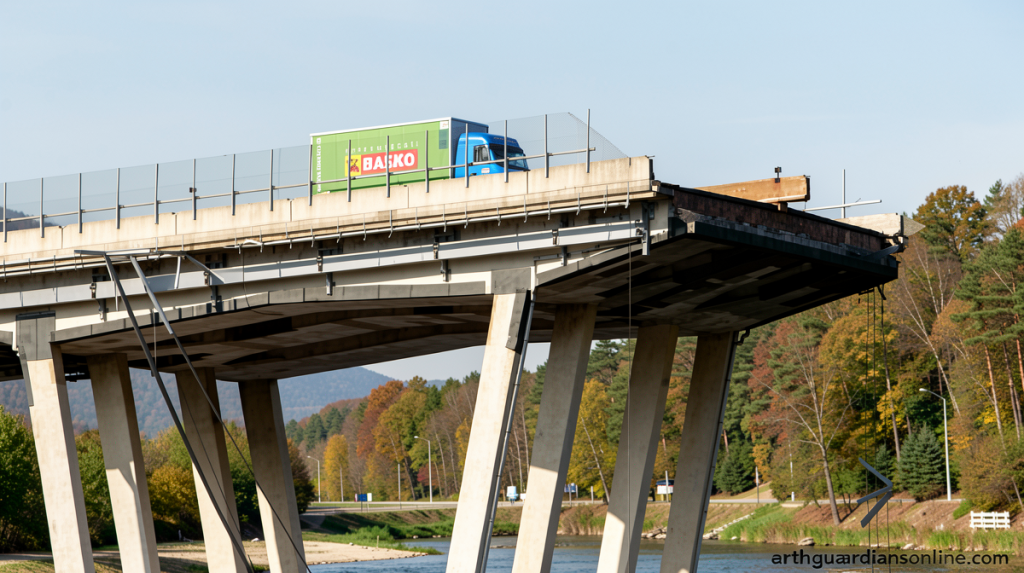
Justice Delayed: Former Atlantia Leader Receives Twelve-Year Term for Genoa Bridge Catastrophe
A Verdict That Echoes Through Italian Courts
Former CEO of Italian highway operator – In a significant development for Italian legal proceedings, a judicial panel in Italy handed down a twelve-year prison sentence on Thursday to Giovanni Castellucci, the former chief executive officer of Atlantia. This ruling addresses the tragic 2018 collapse of a major motorway bridge that claimed forty-three lives in the northwestern Italian port city of Genoa. The disaster occurred when vehicles carrying passengers and cargo plummeted from the elevated roadway during severe weather conditions.
At the time of the catastrophe, Atlantia held the controlling shareholder position in Autostrade per l’Italia, the company responsible for operating the affected motorway infrastructure. The courtroom was filled with relatives of those who perished, all gathered to witness what has become a pivotal moment in the search for accountability. This case represents not only a quest for justice but also serves as a symbol of the notoriously slow pace of complex criminal proceedings within the Italian legal framework.
Legal Context and Trial Proceedings
Under Italy’s judicial system, initial rulings can be appealed no fewer than two times before becoming final. Castellucci, who was already incarcerated serving a six-year sentence related to a separate fatal incident in 2013 involving a viaduct in southern Italy, did not attend the court session to hear the verdict personally. The comprehensive trial involved fifty-seven individuals, encompassing corporate executives, engineering professionals, and government officials from the transport ministry.
The charges brought against the defendants were particularly severe, including multiple counts of manslaughter and criminal negligence. Prosecutors contended that prolonged periods of inadequate maintenance, overlooked warning indicators, and postponed safety improvements collectively contributed to the structural failure. They alleged that essential repair work was deliberately delayed while the company continued generating and distributing profits to shareholders.
The Bridge Collapse and Its Aftermath
The Morandi bridge, which had been in service for fifty-one years at the time of the disaster, collapsed during a summer storm on the eve of a national holiday. The catastrophic failure involved a fifty-metre section of the structure, approximately one hundred and sixty feet in height. As many as thirty-five vehicles were traveling across the bridge when it gave way, sending them crashing onto warehouses and a riverbed positioned directly beneath the elevated roadway.
The tragedy sparked a major dispute between Atlantia, which is controlled by the Benetton family, and the Italian government at that time. The conflict ultimately resulted in Atlantia selling its controlling stake in Autostrade per l’Italia. Years of intensive investigations followed, examining both the management practices and maintenance protocols for the aging infrastructure.
Corporate Response and Defense Arguments
On Wednesday, the current chief executive of Autostrade issued a public statement reaffirming the company’s dedication to preventing similar tragedies in the future. The letter addressed multiple audiences and acknowledged the lasting impact of the disaster.
“I wish to apologize to the victims’ families, to the people of Genoa, and to all Italians for the suffering caused by the tragic Morandi disaster, fully aware that our gesture can never erase their pain,” wrote Autostrade CEO Arrigo Giana in his open letter.
Conversely, defense attorneys presented an alternative explanation for the structural failure. They maintained that the catastrophe resulted from an original design defect specifically located in the bridge’s stay cable number nine, which was the component that ultimately failed. According to their argument, no maintenance program whatsoever could have prevented this particular tragedy from occurring.
Broader Implications for Infrastructure Management
This verdict carries significant implications beyond the immediate parties involved. It highlights ongoing concerns about infrastructure aging across Italy and the responsibilities of private companies operating public transportation networks. The case has become emblematic of broader questions regarding corporate accountability and the balance between profit generation and public safety obligations.
As the Italian legal system continues its deliberations through potential appeals, the outcome will set important precedents for how similar cases involving corporate negligence and infrastructure failures are handled in the future. The families of the victims continue to await final resolution, hoping that the judicial process will deliver meaningful justice for those who lost their lives in one of Italy’s most devastating transportation disasters.
