
Bronze Age ‘shaman,’ previously assumed to be a male metalworker, was actually a woman
Bronze Age Shaman Was Woman, Not Male Metalworker
Genetic Analysis Rewrites Ancient History
Bronze Age shaman previously assumed to be – Recent DNA testing has overturned long-held beliefs about a Bronze Age shaman previously assumed to be male. The 4,000-year-old skeleton, known as the Upton Lovell Shaman, was originally classified as a male metalworker based on the grave goods found alongside the remains. Now, genetic evidence confirms the individual was actually a woman, fundamentally changing our understanding of Bronze Age society. Tom Booth, a senior research scientist at London’s Francis Crick Institute, led the study that revealed this surprising discovery.
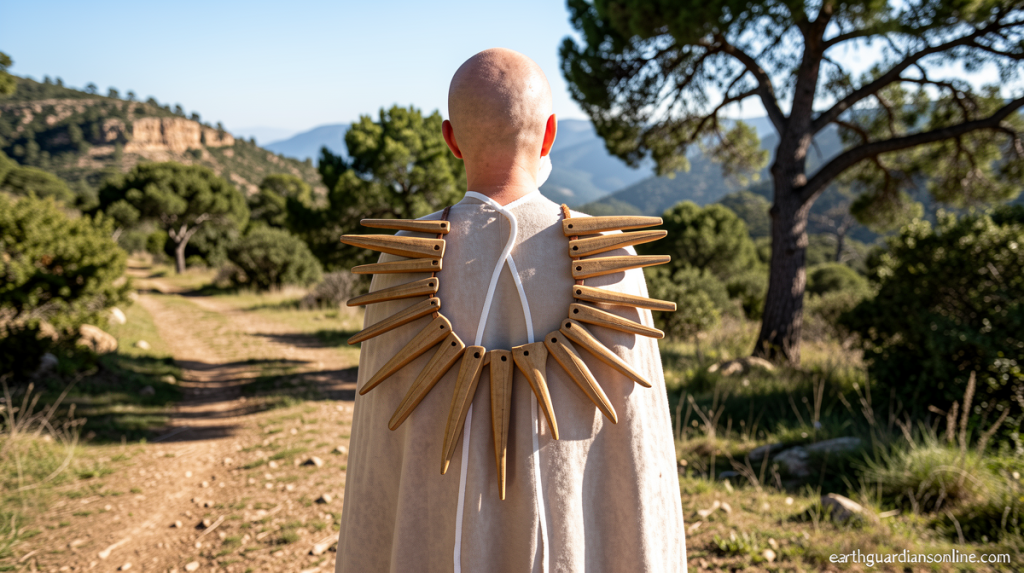
When archaeologists first excavated the burial mound in southern England during the early 1800s, they found an impressive array of artifacts. The grave contained ornamental bone points, a gold necklace, and several axes with gold deposits on their cutting edges. These items indicated the buried person had specialized knowledge of metalworking. The presence of such valuable offerings suggested this individual held high social status within their community.
Two Centuries of Misidentification
Early researchers concluded the skeleton belonged to a man based on skeletal features and the nature of the grave goods. The substantial collection of tools and ornaments was considered typical of male burials from this period. Without modern DNA analysis, this interpretation remained accepted for nearly 200 years. The Bronze Age shaman previously assumed to be male became a textbook example of ancient gender roles.
Booth and his team examined the skeleton as part of the “We Go Way Back” genome sequencing project. The genetic results came as a complete surprise. “Testing produced a female result, which is not what we were anticipating,” Booth explained. To verify their findings, researchers tested two additional skeletal samples, both confirming the individual was female. This thorough approach ensured the conclusion was reliable.
“This essentially confirms that the skeleton was female, and this was probably a female metalworker, and specifically a gold worker, who had some kind of special status within their community in order to be not only afforded a burial underneath one of these round barrows, but also to be buried with this huge, unique diversity of grave goods as well.”
Why the Mistake Occurred
Several physical characteristics contributed to the original misidentification. The individual stood approximately five feet four inches tall, which closely matched the average height for Bronze Age men. Additionally, she died around age 45, placing her in the postmenopausal stage of life. As women age, their skeletal features become more similar to those of men, making visual sex determination difficult without genetic testing.
This discovery challenges traditional assumptions about female burials containing valuable artifacts. Scholars previously believed such women were merely spouses of powerful men. Booth argued this finding undermines that conventional wisdom. “This subverts the idea that women or females in these societies couldn’t be powerful in their own right and special in their own right,” he stated. The Bronze Age shaman previously assumed to be male now stands as evidence of female authority in ancient Britain.
The title “Shaman” reflects the perceived connection between the grave offerings and spiritual practices. Booth suggested metalworking held significant ritual importance during the Bronze Age, given its central role in European trading networks. This skilled artisan would have been deeply integrated into networks of commerce, craftsmanship, and cultural exchange spanning the continent.
These findings are part of the “We Go Way Back” exhibition at the Francis Crick Institute. Pontus Skoglund, director of the institute’s Ancient Genomics laboratory, highlighted the project’s ambitious scope. The initiative aims to sequence genomes from thousands of ancient individuals across Europe, revealing patterns of migration, adaptation, and social organization throughout human history.
