
Trump imposes new tariffs targeting dozens of countries
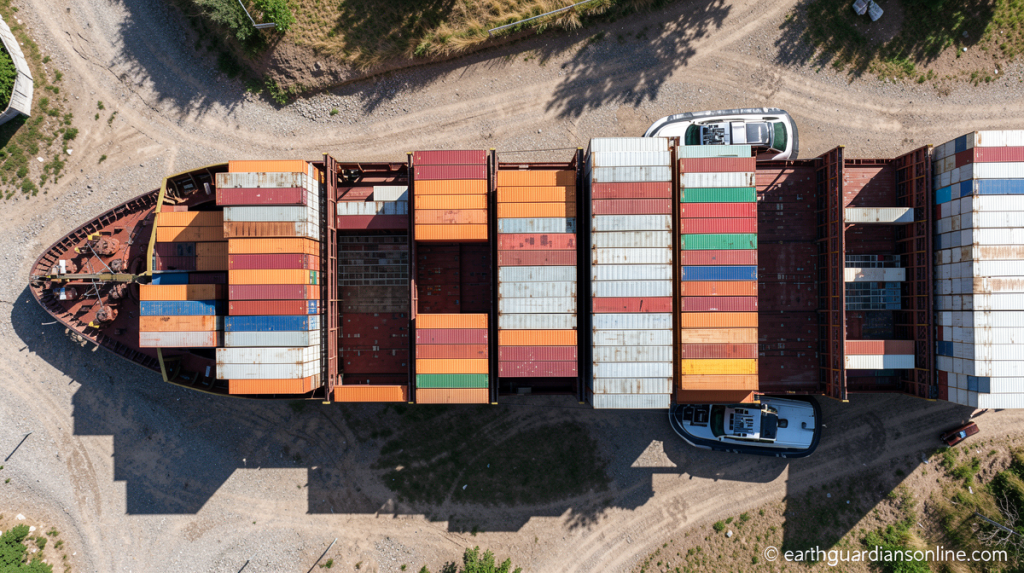
United States Enacts Broad Tariff Framework Affecting Global Trade Partners
Earthguardiansonline.com – Washington has introduced sweeping new trade measures that will impact commercial relationships with numerous nations worldwide. According to the US Trade Representative’s office, approximately sixty trading partners spanning from European nations to Asian economies including China and India now confront additional import duties ranging between ten and twelve point five percent on merchandise entering American markets. These freshly implemented charges became operational on Friday morning, following their official announcement on Thursday.
The comprehensive scope of this policy adjustment is substantial, as products originating from the sixty impacted nations collectively account for ninety-nine point four percent of all goods imported into the United States. This strategic timing represents a deliberate effort to replace a ten percent near-universal duty that President Donald Trump had established earlier in the year, which the Supreme Court subsequently ruled as unlawful. Senior White House representatives explained to journalists during a preparatory conference call that the administration remains committed to advancing its trade agenda regardless of judicial limitations on specific policy instruments.
Forced Labor Investigation Forms Foundation for New Measures
The most recent trade actions emerge from an extensive investigation conducted over several months by the US Trade Representative. This probe examined allegations concerning the utilization of forced labor in manufacturing processes for products destined for American consumers, alongside evaluations of how various nations have responded to these concerns. The European Union expressed skepticism regarding the new tariffs, with foreign policy chief Kaja Kallas characterizing the development as a “negative surprise” while dismissing the forced labor accusations as lacking proper foundation.
Switzerland similarly challenged the underlying allegations, whereas Norway indicated it would not pursue retaliatory tariff measures against American products. Brazil issued a formal statement on Thursday rejecting the twelve point five percent charge applied to its exports and emphasizing its position that trade relationships should operate on reciprocal terms. Meanwhile, Mexico’s economy minister communicated through a social media video that the nation does not perceive any alteration in the actual tariff burden currently experienced by Mexican exporters.
Regional Responses and Economic Considerations
Australia, which faces a twelve point five percent tariff rate, also registered its opposition to the latest developments. Trade Minister Don Farrell characterized Washington’s approach as “completely unjustified” during remarks made to reporters on Friday, while confirming that Canberra would maintain its efforts to secure complete tariff removal for Australian goods. The administration clarified that certain nations qualified for the reduced ten percent rate after implementing measures designed to address the forced labor concerns, though officials expressed doubt that these nations would resolve the issue immediately.
For the average American consumer, the immediate impact may be minimal since the new framework largely maintains duties that importers have already been paying. However, this situation could evolve over the coming weeks and months as additional investigations proceed under Section 301 of the Trade Act of 1974. One such investigation examines whether major trading partners including China, Mexico, and the European Union contribute to global manufacturing overcapacity. Trade specialists note that Section 301 tariffs offer greater legal resilience compared to the emergency authority utilized for Trump’s “Liberation Day” tariff program, and they can remain effective indefinitely.
Exemptions have been granted for various categories including oil and gas products, as well as items that cannot be sourced within domestic markets. Administration officials emphasized that the rollout timing was designed to prevent complications arising from stacking new charges atop existing ten percent duties. Business leaders have consistently requested greater stability and predictability regarding tariff policies, representing a notable departure from the previous year when companies navigated Trump’s frequently changing tariff arrangements.
“We have heard loud and clear: people want to know what tariff rate they’re going to pay,” the administration official stated.
The administration continues exploring additional mechanisms for increasing border revenue. Earlier this week, the White House revealed plans for a fifty percent tariff on specific Canadian products scheduled to begin next month, utilizing an unprecedented provision within the Smoot-Hawley Trade Act. This comprehensive approach demonstrates the administration’s determination to maintain its trade policy objectives through multiple legal channels simultaneously.
