
Johnson & Johnson offers up to $5.5 billion to settle baby powder cancer lawsuits
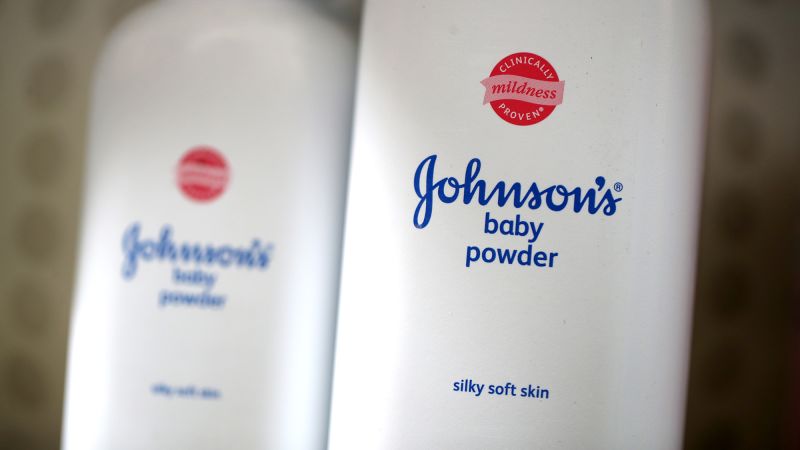
Johnson Johnson Offers Up to $5.5B for Baby Powder Cancer Settlement
Earthguardiansonline.com – Johnson Johnson offers up to $5.5 billion in a landmark settlement to resolve thousands of baby powder cancer lawsuits across the United States. The agreement addresses claims that Johnson & Johnson’s talcum powder products, especially its well-known baby powder, contributed to ovarian cancer in women. Under the proposed deal, plaintiffs could receive up to $3 billion in compensation during 2027, with remaining payments distributed after 2028.
Key Settlement Details
Johnson & Johnson announced the settlement on Monday, calling it a way to end what the company described as “meritless 15-year litigation.” The framework covers roughly 76,000 individual claims filed against the company. Before implementation, legal firms representing at least 95 percent of all claimants must approve the arrangement.
Plaintiff attorney Chris Seeger called the settlement “a fair measure of long-delayed justice.” Speaking to CNN, he noted that the total settlement value is uncapped and could grow beyond current estimates. Seeger did not immediately respond to questions about Johnson & Johnson’s position that the cases lacked scientific backing.
Product Changes and Scientific Debate
For years, Johnson & Johnson has faced claims that asbestos particles in its talcum powder products caused cancer. The company has consistently denied that its products were responsible for the disease despite numerous legal challenges.
Research on the topic has yielded mixed findings. Some studies suggest women who use talc in the genital area face higher ovarian cancer risk, while others found no such link. This scientific uncertainty has made litigation complex for both sides.
Johnson & Johnson responded to concerns by changing its products. The company removed its talc-based baby powder from North America in 2020, switching to cornstarch. International markets followed suit in 2023. In both moves, Johnson & Johnson said it aimed to simplify its product line while defending talc safety.
Legal Context and Next Steps
Erik Haas, Johnson & Johnson’s vice president of litigation, stated the lawsuits “lack scientific merit.” He added: “While we are confident the company would have ultimately prevailed with further litigation, as it has in the vast majority of cases tried to date, this resolution allows the company to put this matter behind it.”
Recent court rulings have added layers to the case. A federal judge last week questioned about 69,000 claims, saying plaintiffs need specific evidence linking their ovarian cancer to Johnson & Johnson’s baby powder, according to Reuters.
The litigation has seen mixed results. Johnson & Johnson has faced both large verdicts and wins in different cases. In October, a Los Angeles jury ordered Johnson & Johnson to pay $966 million to a mesothelioma victim’s family. The company plans to appeal, calling the verdict “egregious and unconstitutional.”
“While we are confident the company would have ultimately prevailed with further litigation, as it has in the vast majority of cases tried to date, this resolution allows the company to put this matter behind it,” said Erik Haas, J&J’s vice president of litigation.
Frequently Asked Questions
How much is Johnson Johnson offering in the settlement? Johnson Johnson offers up to $5.5 billion to resolve baby powder cancer lawsuits, with $3 billion available in 2027 and additional payments after 2028.
How many claims are included in the settlement? The settlement framework covers approximately 76,000 individual claims filed against Johnson & Johnson over the past 15 years.
What type of cancer are the lawsuits about? Most lawsuits allege that Johnson & Johnson’s baby powder and other talc products contributed to ovarian cancer, though one recent case involved mesothelioma.
Has Johnson & Johnson changed its baby powder formula? Yes. Johnson & Johnson replaced its talc-based baby powder with cornstarch in North America in 2020 and internationally in 2023.
What happens if the settlement is approved? Legal firms representing at least 95 percent of claimants must approve the deal before it can proceed to implementation and payment distribution.
